
Grátis 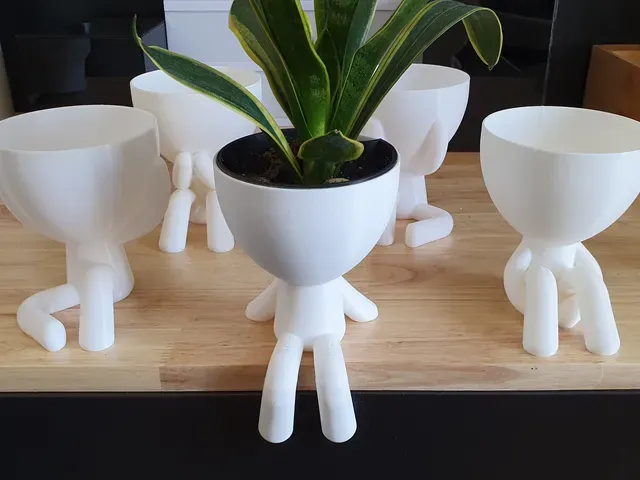
Hydroponic, Self-Watering, Seeds starter, Robert Planters
Printables
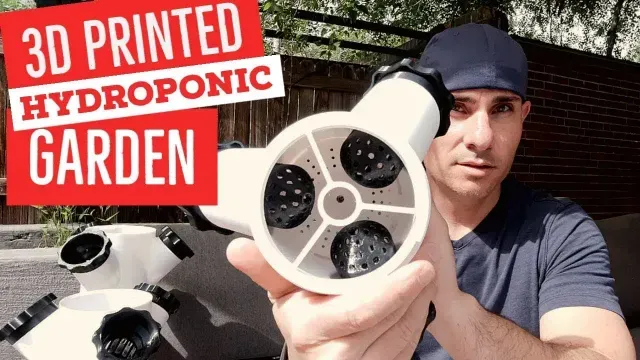
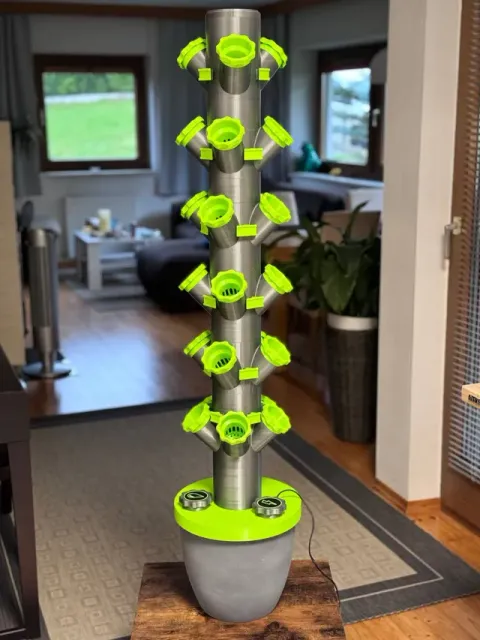
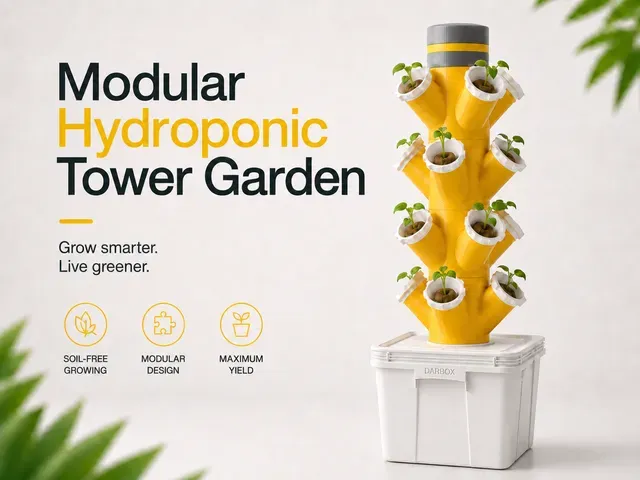
This collection gathers 3D models for hydroponic growing: stackable towers, planters and pots, lids for jars and trays, and small water fittings. Most of them are made for a 3D printer and are meant to be combined into a working setup rather than used as single decorative pieces. The range helps you pick parts that match the space you have and the plants you want to grow. Polyzon does not confirm whether models are free, their price, license, official status, affiliation, safety or fitness. Check the current terms at the source.
O texto desta coleção está em inglês; a busca funciona em qualquer idioma.
 Uma coleção do Polyzon · 48 modelos de 4 sites
O Polyzon monta esta coleção a partir dos resultados de busca dos sites conectados. Repetições e modelos sem prévia são removidos, correspondências fracas vão para o final e o restante segue a ordem da busca. Os modelos pertencem aos seus autores — confira os termos na página de cada modelo.
Regras de seleção: equipe editorial do Polyzon · Texto atualizado em 13/10/2026


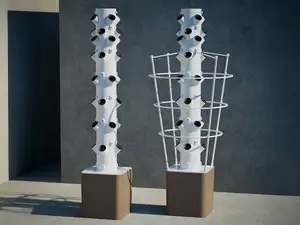
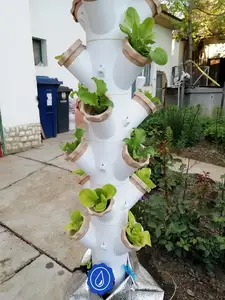

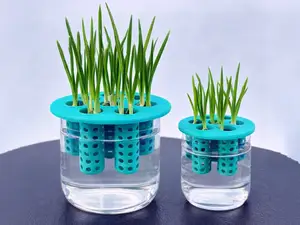


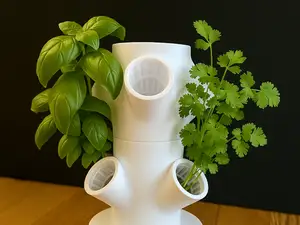
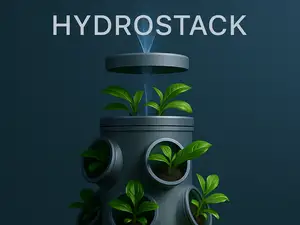


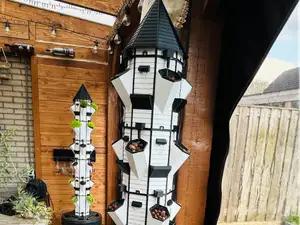
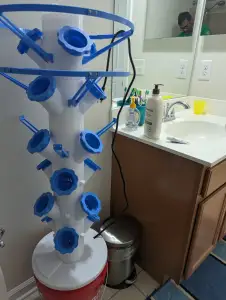
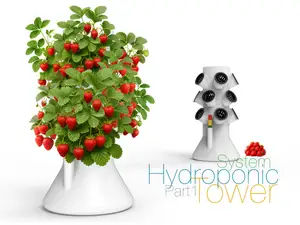


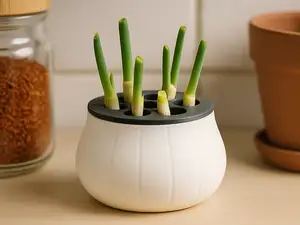


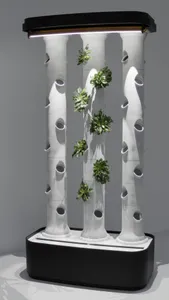


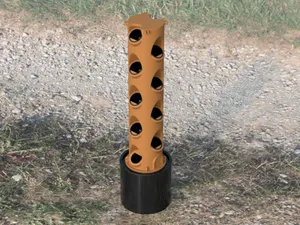

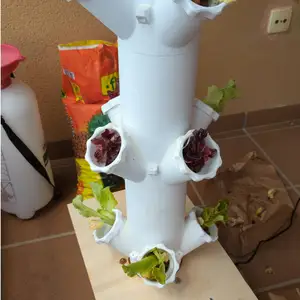


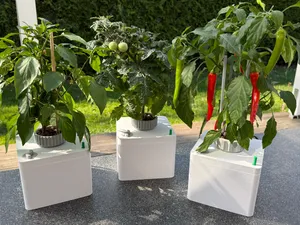

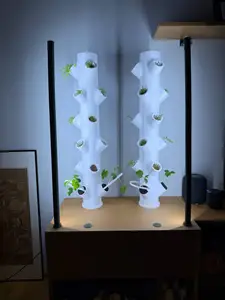


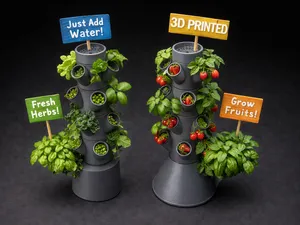
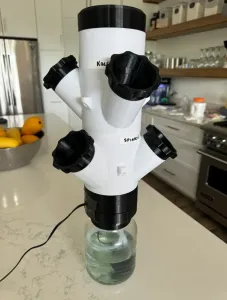

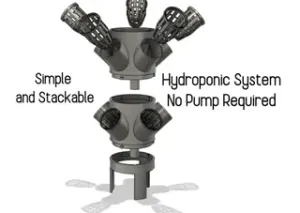
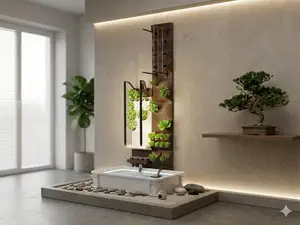
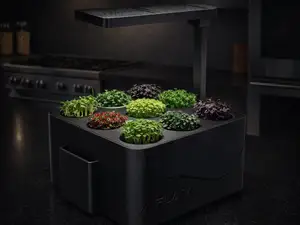


The models fall into a few groups. Modular towers and stackable sections form the largest part, and they differ mainly in diameter, number of planting levels and how the sections lock together. Alongside them are lids and propagation covers that sit on jars, buckets or trays, plus pots and planters sized for herbs, salads and microgreens. Smaller parts such as drains and water outlets complete a build.
Before printing, open the author's model page and read the listed dimensions: outer diameter, height per section, pot opening and the volume of the reservoir. Check how many parts a model has and whether assembly needs screws, seals or tubing. Look at the material and settings the author lists, since parts that hold water or sit in sunlight behave differently in different filaments, and check photos of real prints to judge wall thickness and surface finish.
Search results improve when you vary the wording. Try terms like vertical garden, stackable planter, net pot, propagation lid, microgreens tray or nutrient film, and combine them with words such as modular, wall-mounted or balcony. Related topics include aquaponics, seed starting, self-watering pots and indoor garden lighting, which often lead to parts that fit the same setups.


O catálogo completo de temas — de casa e utilidades a CNC, com busca em todos os sites conectados.