
Grátis 
Retro microphone lamp
Thingiverse
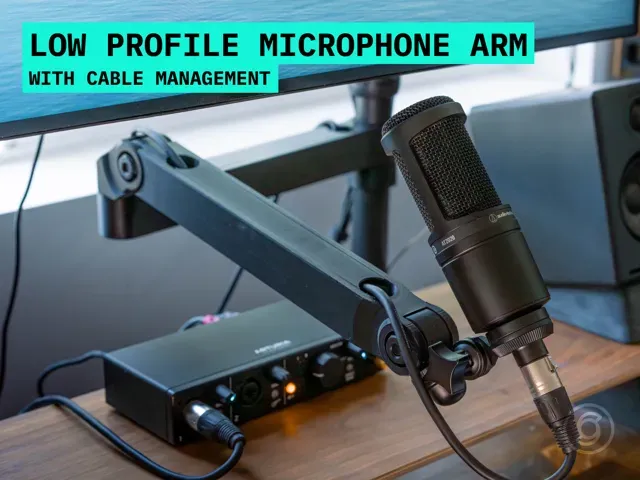
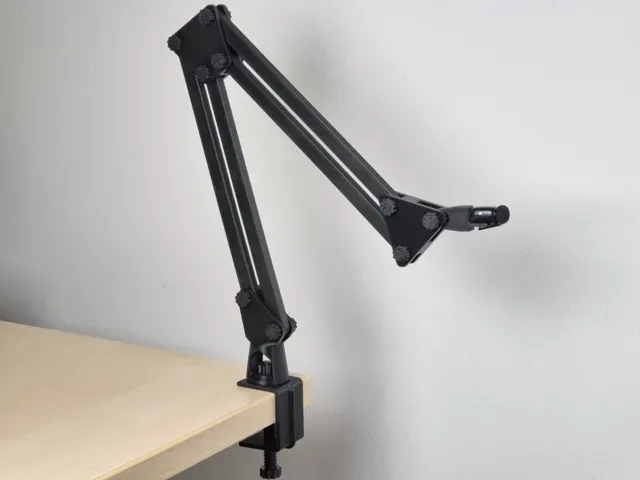
This collection gathers 3D printing files built around microphones: desk stands and boom arms, toy and cosplay versions, small mics for handheld radios, and electronic modules with sound sensing. It helps you find a printable part for a real setup or a prop for a costume without sorting through unrelated audio gear. Most entries are simple STL files that fit a desktop 3D printer. Polyzon does not confirm whether models are free, their price, license, official status, affiliation, safety or fitness. Check the current terms at the source.
O texto desta coleção está em inglês; a busca funciona em qualquer idioma.
 Uma coleção do Polyzon · 48 modelos de 6 sites
O Polyzon monta esta coleção a partir dos resultados de busca dos sites conectados. Repetições e modelos sem prévia são removidos, correspondências fracas vão para o final e o restante segue a ordem da busca. Os modelos pertencem aos seus autores — confira os termos na página de cada modelo.
Regras de seleção: equipe editorial do Polyzon · Texto atualizado em 10/10/2026


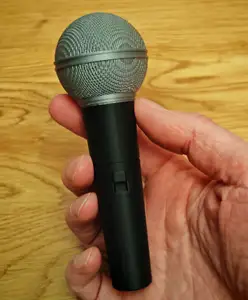
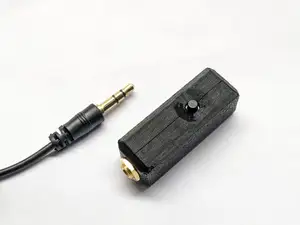
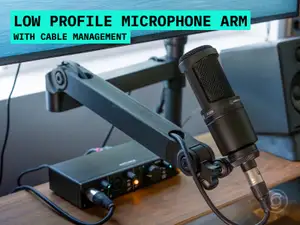


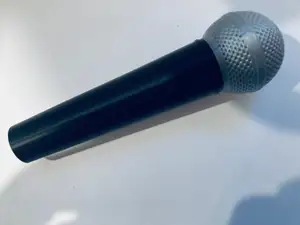
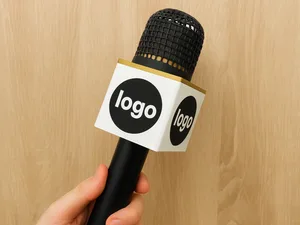

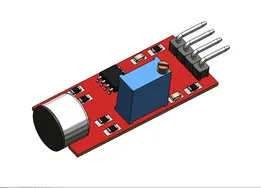


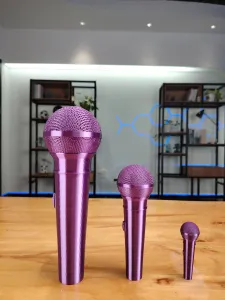

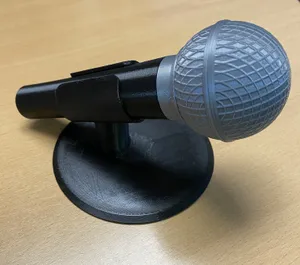
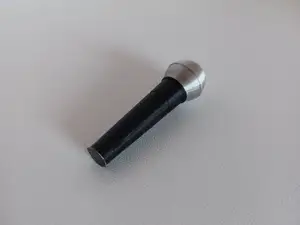


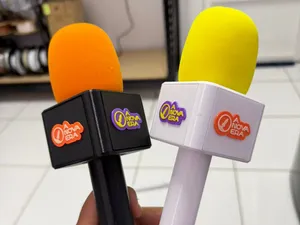
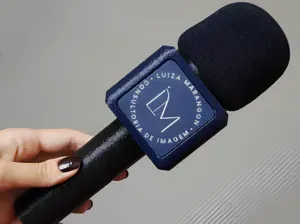


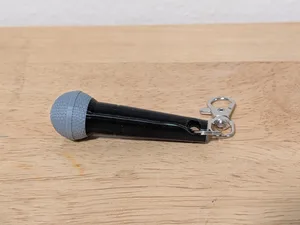


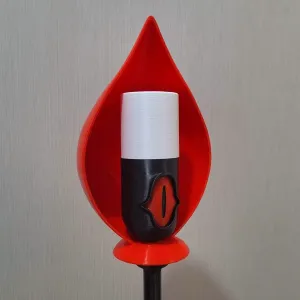

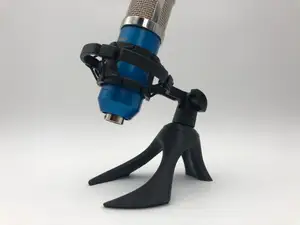
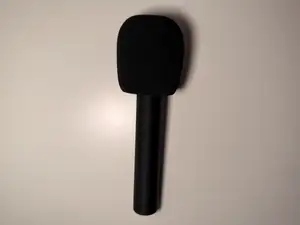


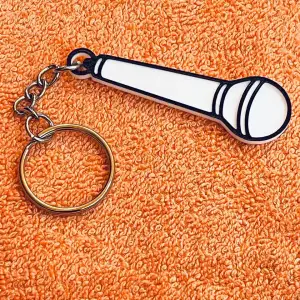
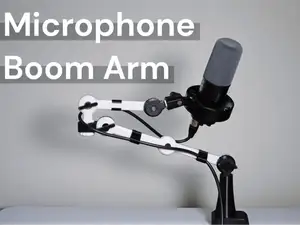


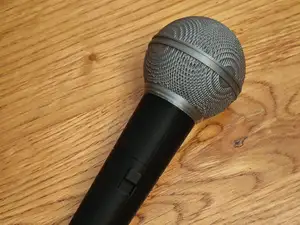
The models fall into a few groups that behave differently on the build plate. Stands and arms are structural: they include a base, a tube or a clamp, and a holder for the microphone body, so they are usually printed in several parts. Toy and cosplay microphones are mostly single shells shaped like a handheld mic, sometimes split in two halves for easier printing. Mini microphones and sensor modules are small housings or brackets that pair with a radio or a microcontroller board, and decorative pieces such as a lamp or a trophy reuse the microphone silhouette.
Before printing, open the author's model page and read what is listed there. Check the dimensions and scale, the number of parts and how they join, whether supports are needed, and the material and settings the author used. For stands and arms, look at the holder diameter, the thread or clamp size, and how the weight is carried, since a thin printed arm behaves differently from a solid base. Photos of real prints show how the surface and the joints come out better than a render does.
If the first search is thin, try other words for the same object: mic, boom arm, desk stand, gooseneck, shock mount, capsule holder, or handheld shell. Related topics often lead to better results, such as podcast or studio desk accessories, radio and microcontroller enclosures, cosplay props, and lamp or trophy designs that borrow the microphone shape. Combining a form word with a use word, for example stand plus desk or module plus sensor, narrows the list quickly.




O catálogo completo de temas — de casa e utilidades a CNC, com busca em todos os sites conectados.