
免费 
Retro microphone lamp
Thingiverse
This collection gathers 3D printing files built around microphones: desk stands and boom arms, toy and cosplay versions, small mics for handheld radios, and electronic modules with sound sensing. It helps you find a printable part for a real setup or a prop for a costume without sorting through unrelated audio gear. Most entries are simple STL files that fit a desktop 3D printer. Polyzon does not confirm whether models are free, their price, license, official status, affiliation, safety or fitness. Check the current terms at the source.
本合集的文字为英文,搜索本身支持任何语言。
 Polyzon合集 · 48个模型 来自6个平台
此合集由Polyzon根据已接入平台的搜索结果整理而成:去除重复项和没有预览图的模型,匹配度低的排在最后,其余按搜索结果顺序排列。模型归作者所有——请在各模型页面查看使用条款。
筛选规则:Polyzon编辑部 · 文字更新于2026年10月10日


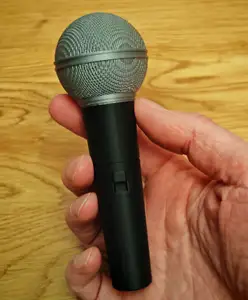
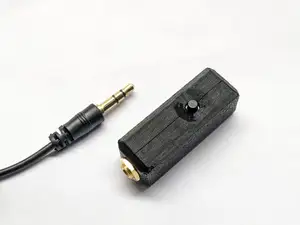
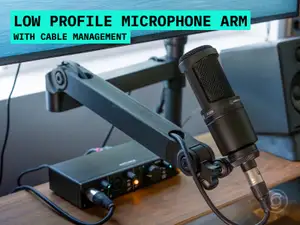


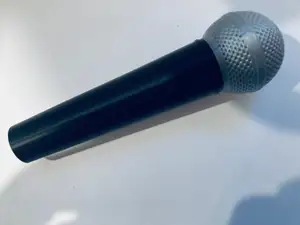
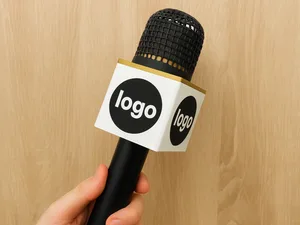

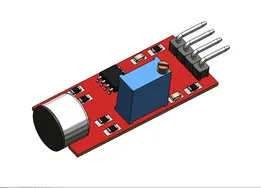


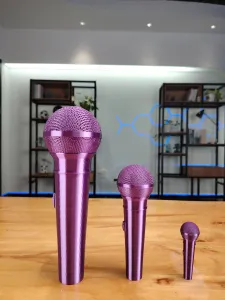

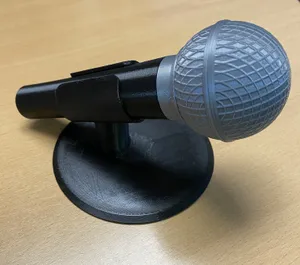
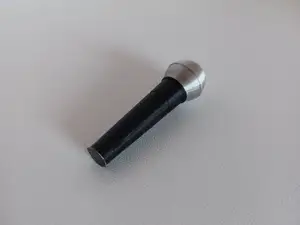


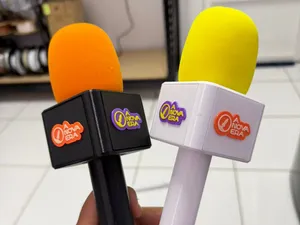
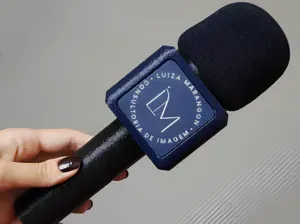


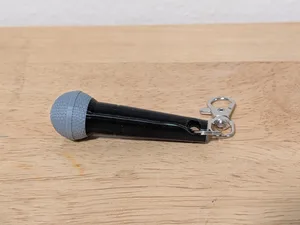


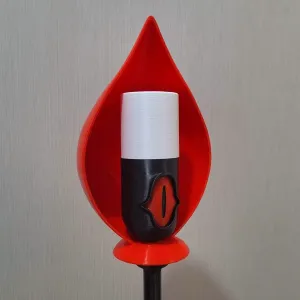

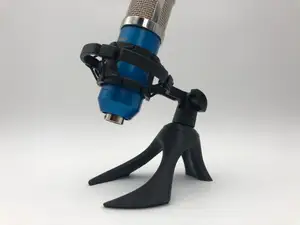
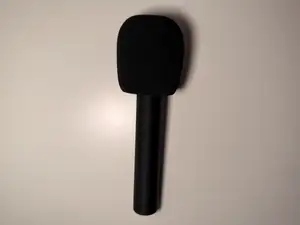


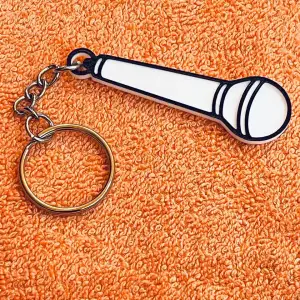
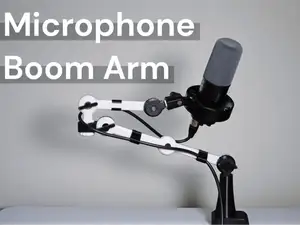


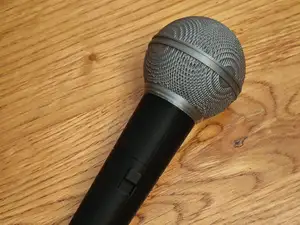
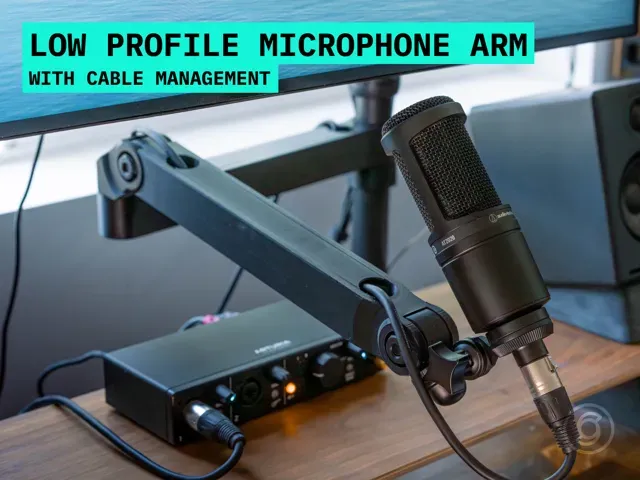
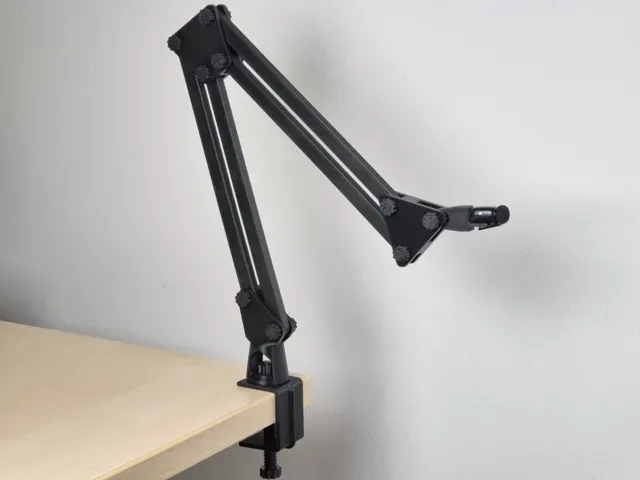
The models fall into a few groups that behave differently on the build plate. Stands and arms are structural: they include a base, a tube or a clamp, and a holder for the microphone body, so they are usually printed in several parts. Toy and cosplay microphones are mostly single shells shaped like a handheld mic, sometimes split in two halves for easier printing. Mini microphones and sensor modules are small housings or brackets that pair with a radio or a microcontroller board, and decorative pieces such as a lamp or a trophy reuse the microphone silhouette.
Before printing, open the author's model page and read what is listed there. Check the dimensions and scale, the number of parts and how they join, whether supports are needed, and the material and settings the author used. For stands and arms, look at the holder diameter, the thread or clamp size, and how the weight is carried, since a thin printed arm behaves differently from a solid base. Photos of real prints show how the surface and the joints come out better than a render does.
If the first search is thin, try other words for the same object: mic, boom arm, desk stand, gooseneck, shock mount, capsule holder, or handheld shell. Related topics often lead to better results, such as podcast or studio desk accessories, radio and microcontroller enclosures, cosplay props, and lamp or trophy designs that borrow the microphone shape. Combining a form word with a use word, for example stand plus desk or module plus sensor, narrows the list quickly.




完整的主题目录:从家居日用到CNC,均可在已接入的来源平台中搜索。