

Grátis 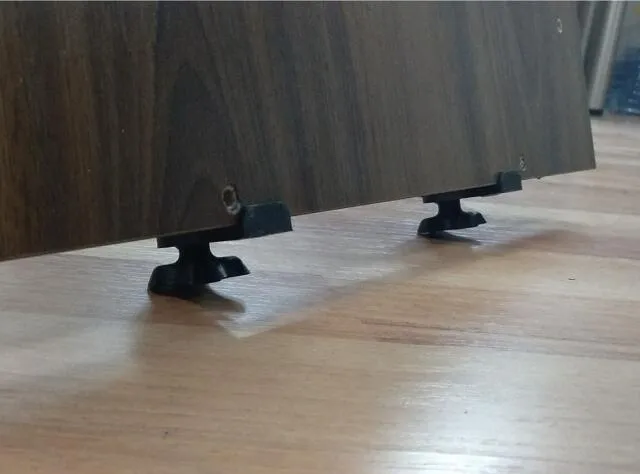
Регулируемая по высоте ножка для мебели
3DToday
This collection gathers STL files for furniture legs, from threaded adjustable supports to simple screw-mounted blocks. Most of them are small parts meant to be printed on a desktop 3D printer and fitted to cabinets, tables or shelving. It is useful when a ready-made leg no longer matches the height or the mounting point you have. Polyzon does not confirm whether models are free, their price, license, official status, affiliation, safety or fitness. Check the current terms at the source.
O texto desta coleção está em inglês; a busca funciona em qualquer idioma.
 Uma coleção do Polyzon · 47 modelos de 6 sites
O Polyzon monta esta coleção a partir dos resultados de busca dos sites conectados. Repetições e modelos sem prévia são removidos, correspondências fracas vão para o final e o restante segue a ordem da busca. Os modelos pertencem aos seus autores — confira os termos na página de cada modelo.
Regras de seleção: equipe editorial do Polyzon · Texto atualizado em 14/10/2026




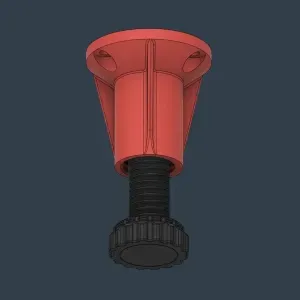


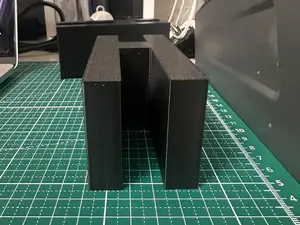

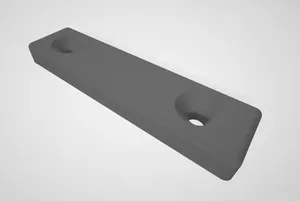


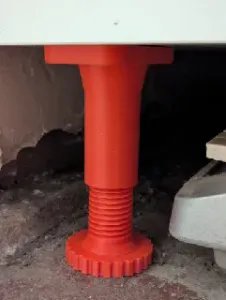

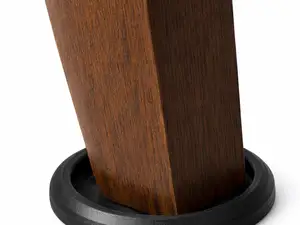


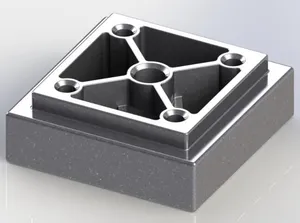
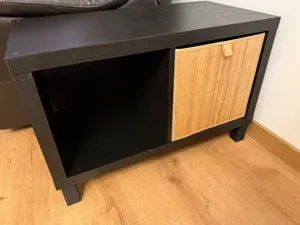
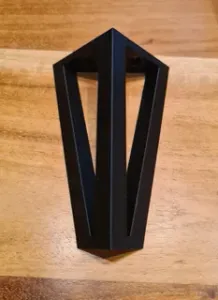




The models fall into a few groups. Adjustable legs use a threaded section so the height can be changed after assembly, often with a metric thread or a trapezoidal profile. Cabinet legs are shaped to sit under a carcass or to replace a lost support on a kitchen unit. There are also panel-mount legs with a flat base and screw holes, and risers that simply add a fixed amount of height under an existing table.
Before printing, read the author's page for the dimensions that matter: the thread size, the total height range, the diameter of the mounting plate and the hole spacing. Check how many parts the leg has and whether it is meant to be glued, screwed or threaded together. Look at the material and settings the author lists, and at photos of real prints, since a leg carries load and a thin wall or a low infill level changes how it behaves.
If the results are too narrow, try related wording. Searches for adjustable leg, threaded foot, cabinet support, riser, furniture slider or table extension often lead to the same family of parts. Adding the panel type, such as chipboard or a specific cabinet series, or the thread standard, can narrow things down. If you need a different height, look for parametric versions that can be resized before export.
Many of these parts are also useful outside furniture: a threaded foot can serve as a levelling pad for a stand, a jig or a small machine frame. That is why the same geometry appears under several names, and why checking the thread and base dimensions is more useful than matching the title.


O catálogo completo de temas — de casa e utilidades a CNC, com busca em todos os sites conectados.

