
Grátis 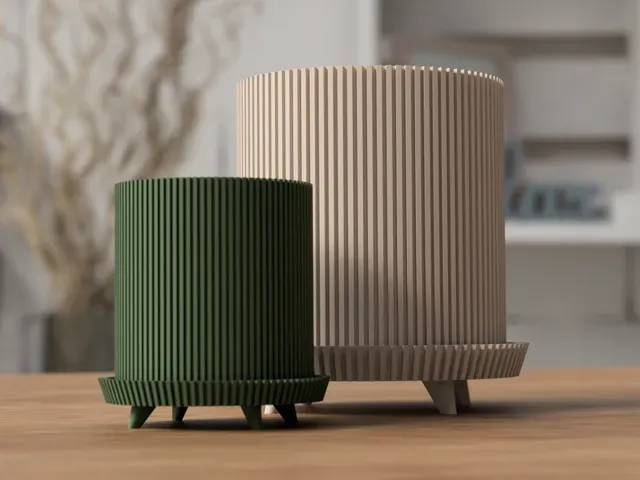
Planter with legs
MakerWorld
This collection covers 3D models where legs are the main feature: stands for furniture and devices, articulated figure limbs, holiday ornaments and small armor parts. It helps you see how differently the same idea is built before sending an STL to a 3D printer. The mix is wide, so the useful part is comparing construction rather than picking a single style. Polyzon does not confirm whether models are free, their price, license, official status, affiliation, safety or fitness. Check the current terms at the source.
O texto desta coleção está em inglês; a busca funciona em qualquer idioma.
 Uma coleção do Polyzon · 48 modelos de 6 sites
O Polyzon monta esta coleção a partir dos resultados de busca dos sites conectados. Repetições e modelos sem prévia são removidos, correspondências fracas vão para o final e o restante segue a ordem da busca. Os modelos pertencem aos seus autores — confira os termos na página de cada modelo.
Regras de seleção: equipe editorial do Polyzon · Texto atualizado em 12/10/2026




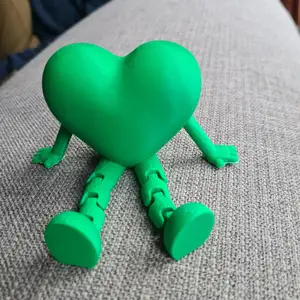

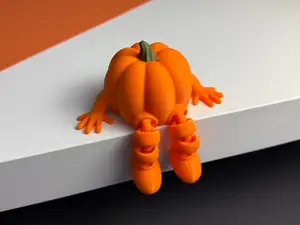
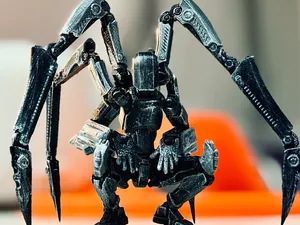








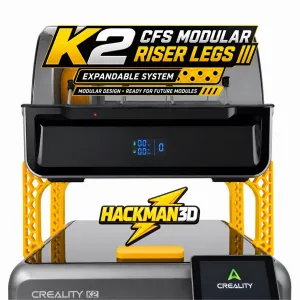
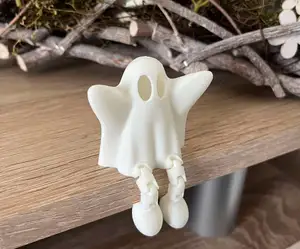
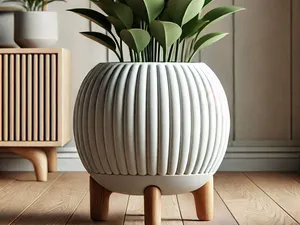


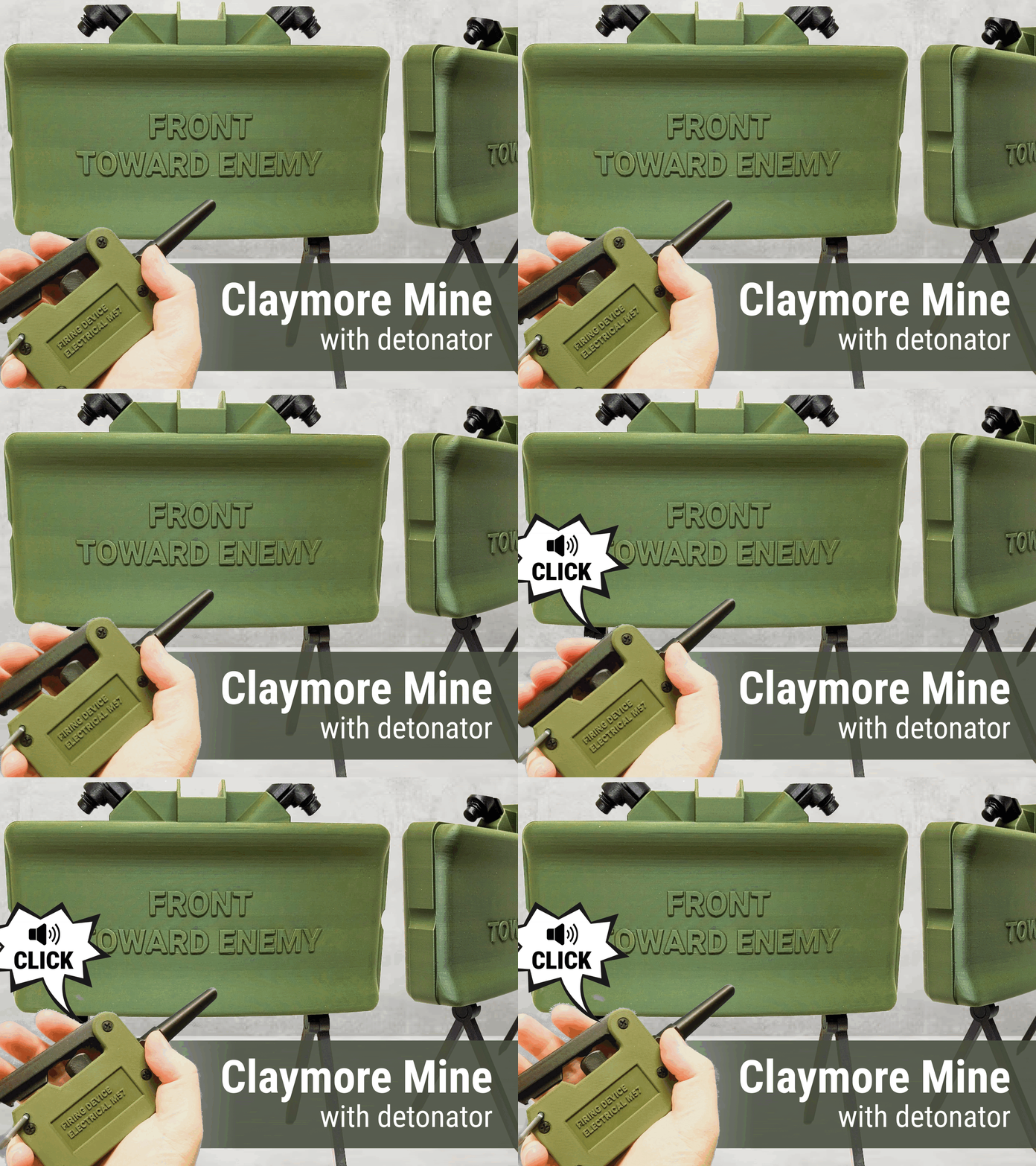



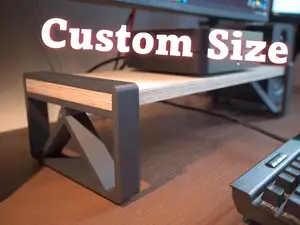

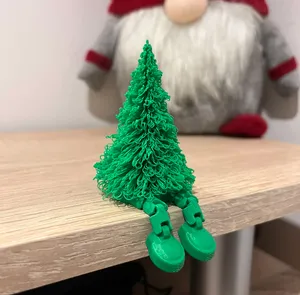
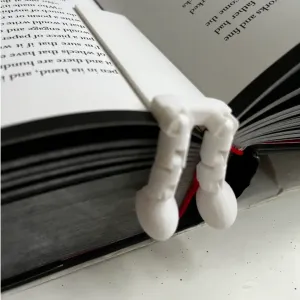

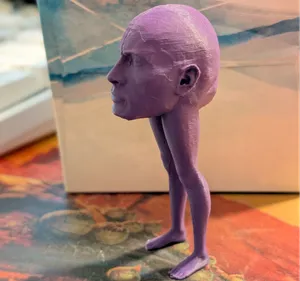
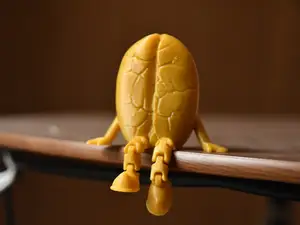



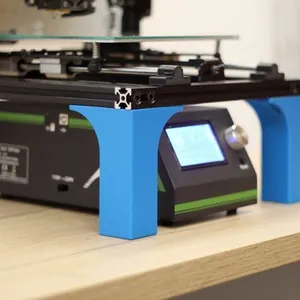
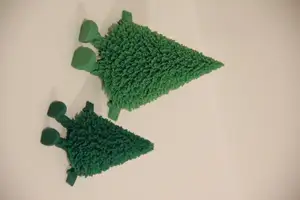
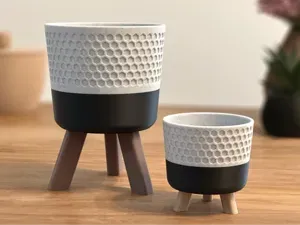
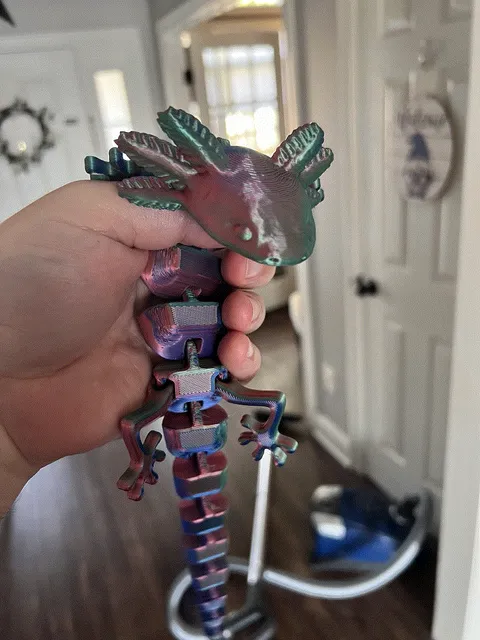
Static legs and articulated legs are two different jobs. Stand and support legs are structural: they carry weight, so the model usually has a flat mounting face, screw holes or a socket, and a shape that resists bending. Articulated legs belong to figures and ornaments, where the legs are joined to the body through a hinge or a thin printed joint and are meant to move. Miniature armor legs sit at the smallest end of the range and are often split into several small pieces.
On the author's model page, look at scale and overall dimensions first, then at how many separate parts the legs involve and whether they are printed as one piece or assembled afterwards. Check whether supports are needed and where they would touch the joint areas, since support scars on a hinge can stop it from moving. Read the material and settings the author lists, and look at photos of real prints to judge wall thickness and joint clearance.
To widen or narrow the search, try synonyms such as feet, base, stand, riser, limb, jointed or flexi, and combine them with the object you have in mind, for example desk, planter, ornament or figure. Related topics that often appear alongside legs include desk accessories, planters, miniature armor and holiday decorations. If you already have a model, searching for its body part plus the word legs usually finds matching add-ons.



O catálogo completo de temas — de casa e utilidades a CNC, com busca em todos os sites conectados.