Grátis 
Ikea Lack Table Leg Bracket
Thingiverse
This collection gathers STL files for table legs and the parts around them: adjustable supports, replacements for flat-pack legs, brackets, hinges and feet. It helps when a table stands too low, moves at the joint, or a leg has broken and the original spare is hard to find. Most of these parts are printed on a desktop 3D printer and then combined with screws, threaded inserts or glue. Polyzon does not confirm whether models are free, their price, license, official status, affiliation, safety or fitness. Check the current terms at the source.
O texto desta coleção está em inglês; a busca funciona em qualquer idioma.
 Uma coleção do Polyzon · 46 modelos de 5 sites
O Polyzon monta esta coleção a partir dos resultados de busca dos sites conectados. Repetições e modelos sem prévia são removidos, correspondências fracas vão para o final e o restante segue a ordem da busca. Os modelos pertencem aos seus autores — confira os termos na página de cada modelo.
Regras de seleção: equipe editorial do Polyzon · Texto atualizado em 14/10/2026

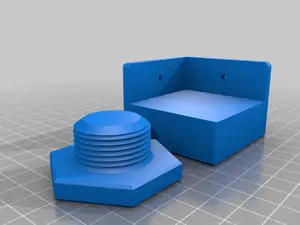
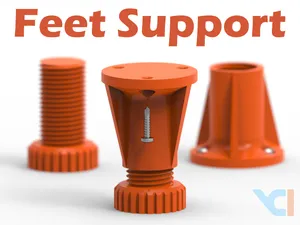
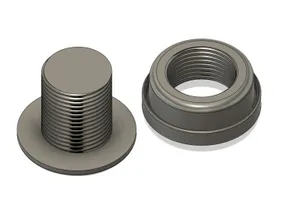
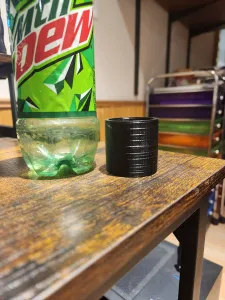


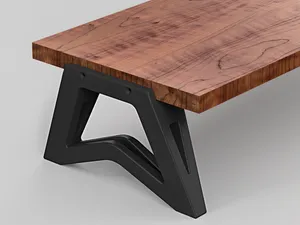
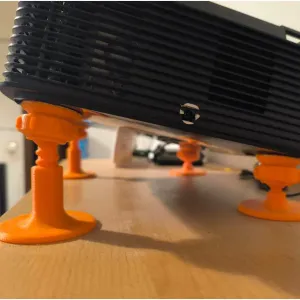

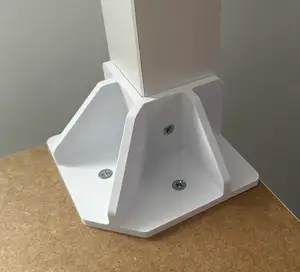
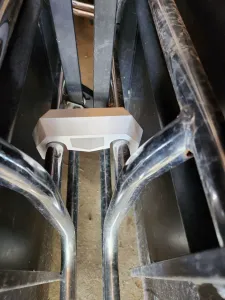


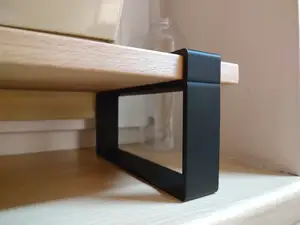
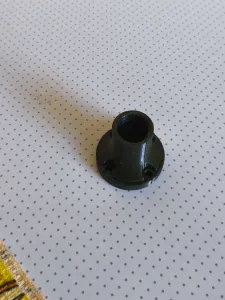


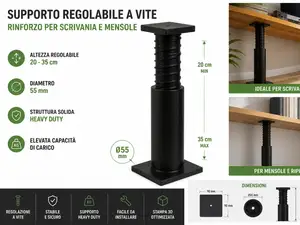
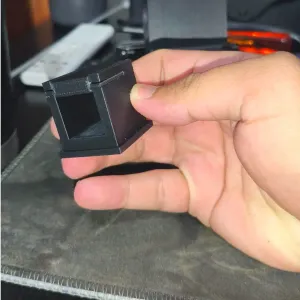


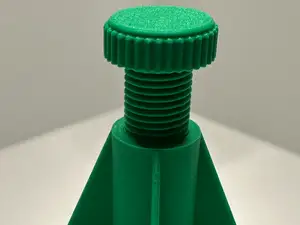




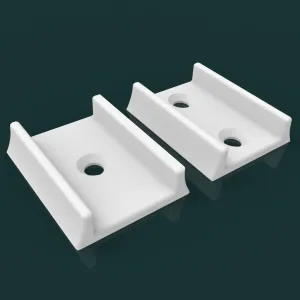


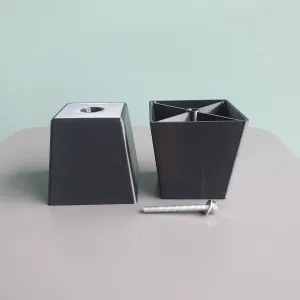


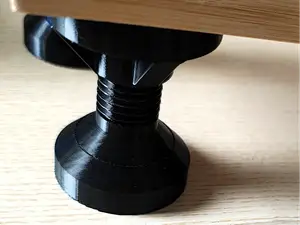
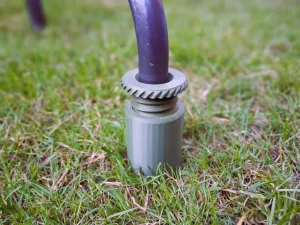


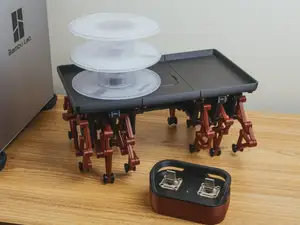
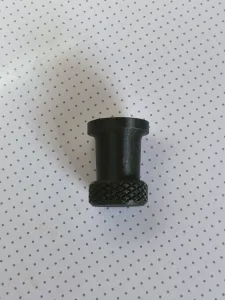


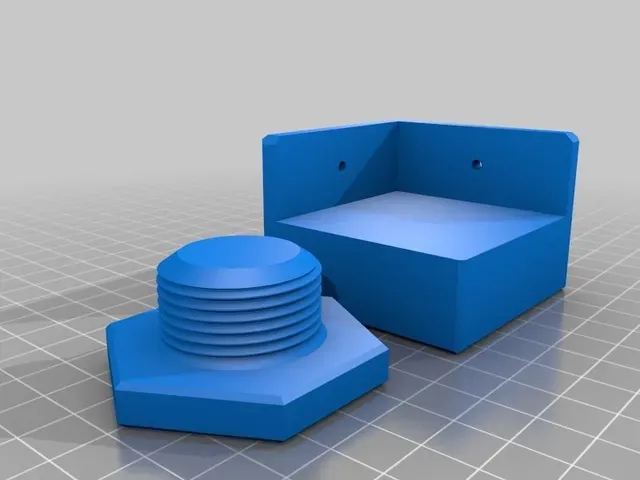
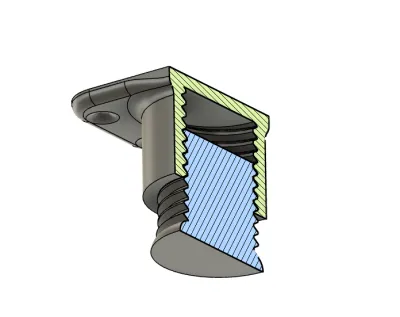
Adjustable legs usually come as two printed pieces that slide or screw into each other, while fixed legs are single parts sized to a given table height. Replacement and extension parts are shaped around a specific flat-pack system, so their mounting holes matter more than their outline. Brackets, hinges and clips belong to folding or cafeteria tables, where the leg has to move rather than stand still.
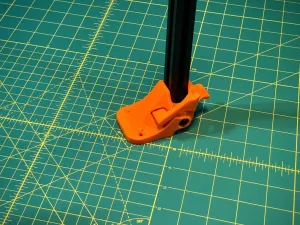
On the model page, compare the overall length and the mounting pattern with your own table before printing. Check how many parts are involved, how they join, and whether the author lists a material, wall count or print orientation. Photos of real prints show how a joint behaves under load better than a render does.
Search wording varies: table leg, furniture leg, adjustable foot, leg extension, leg bracket, table stiffener. Related topics such as desk legs, workbench legs, tripod legs or furniture feet often return models that do the same job. Adding the table type or the mounting standard to the query narrows the results further.
A printed leg carries load through its walls and through the joint, so orientation and infill are worth deciding before the print starts. Long parts may need to be split or printed in a different axis to fit the build volume, which changes where the seams end up.




O catálogo completo de temas — de casa e utilidades a CNC, com busca em todos os sites conectados.

