
Grátis 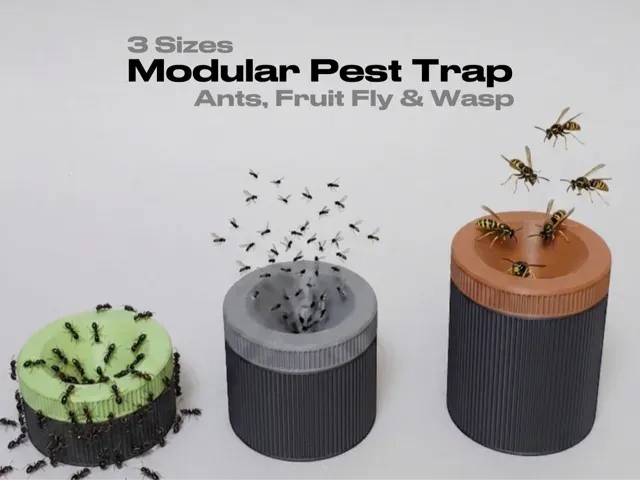
Modular Pest Trap - Ants, Fruit Fly & Wasp
MakerWorld
This collection gathers 3D models for pest traps: lidded containers for flies and wasps, bait stations for ants and roaches, live-catch mouse designs, and slug or snail traps for gardens. Each listing comes from a different author, so the geometry, part count and print settings vary from one model to the next. It is a starting point for anyone who wants to print a trap on a 3D printer and adapt it to a specific insect or rodent. Polyzon does not confirm whether models are free, their price, license, official status, affiliation, safety or fitness. Check the current terms at the source.
O texto desta coleção está em inglês; a busca funciona em qualquer idioma.
 Uma coleção do Polyzon · 48 modelos de 5 sites
O Polyzon monta esta coleção a partir dos resultados de busca dos sites conectados. Repetições e modelos sem prévia são removidos, correspondências fracas vão para o final e o restante segue a ordem da busca. Os modelos pertencem aos seus autores — confira os termos na página de cada modelo.
Regras de seleção: equipe editorial do Polyzon · Texto atualizado em 13/10/2026


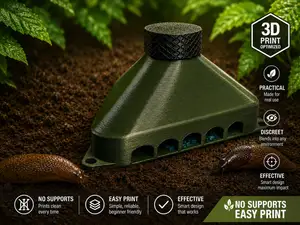

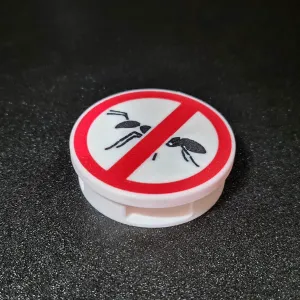


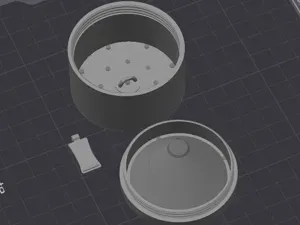
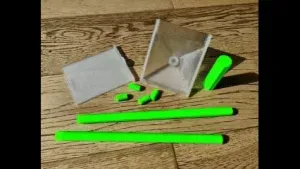
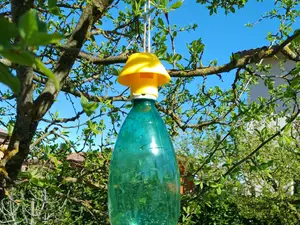


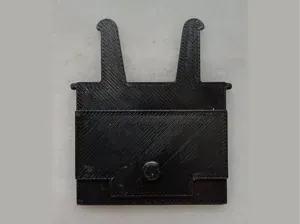
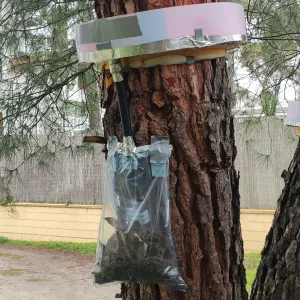
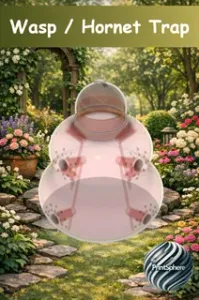

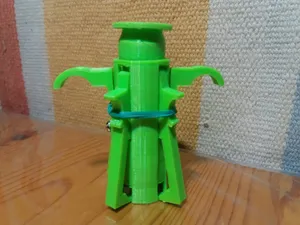

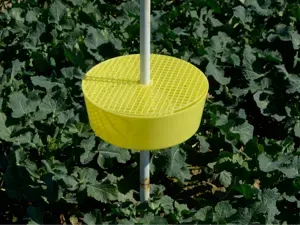



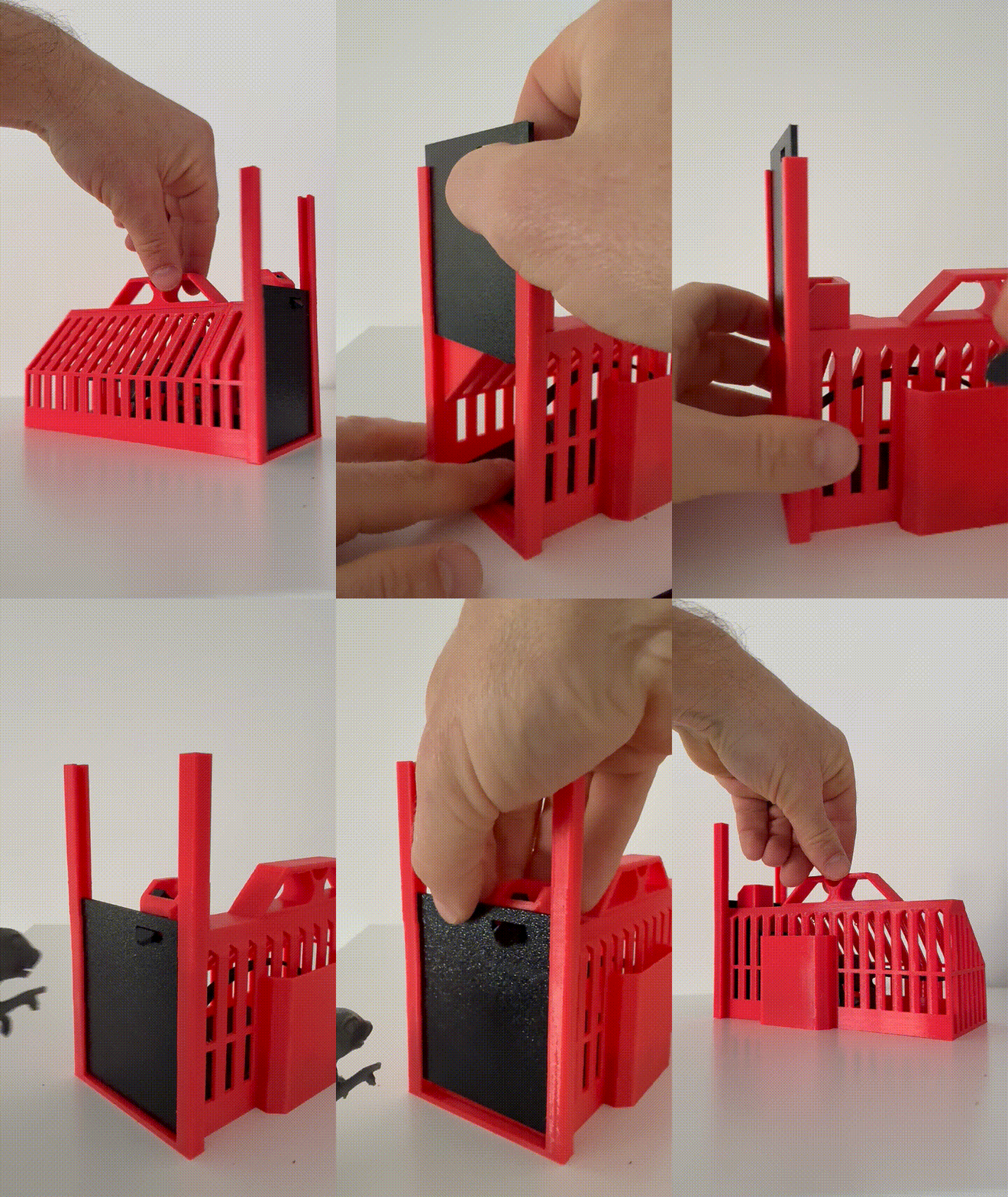

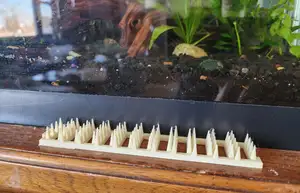

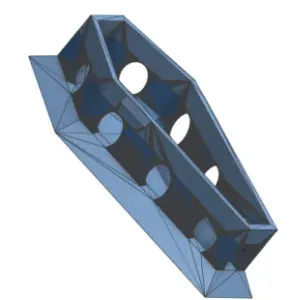

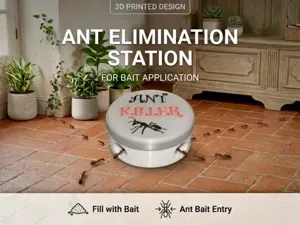
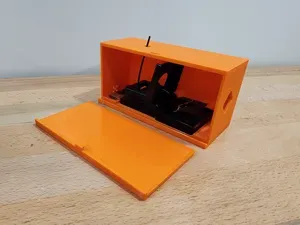
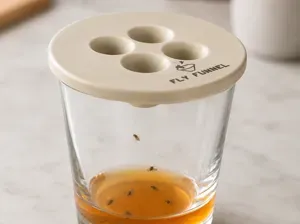
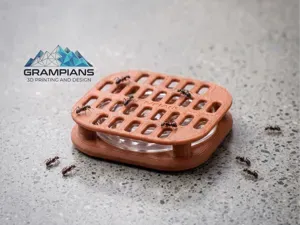

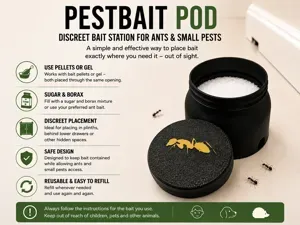
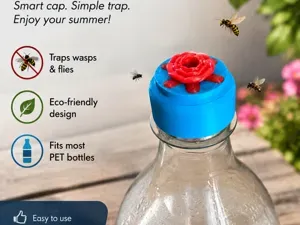
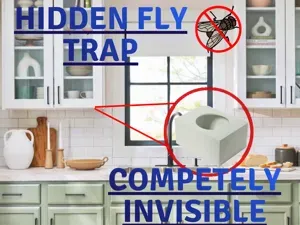

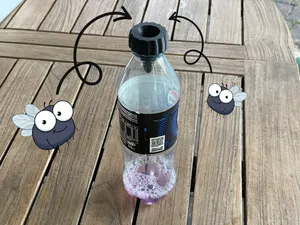
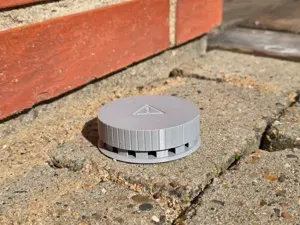

The designs fall into a few families. Flying-insect traps usually work as a container with a funnel or slit entry, sometimes with a lid or a jar thread, and are meant to hold a lure or liquid. Ant and roach models tend to be low bait stations with narrow openings, while mouse designs split between live-catch boxes and flap or trigger mechanisms. Garden versions for slugs and snails are often simple open cups sunk into soil, and sticky-card holders are flat frames that take a replaceable sheet.
When choosing a model, look at the entry size against the pest you have in mind, since a hole wide enough for a wasp will also let smaller insects out. Check the number of parts and how they join, whether the author calls for supports, and which material and settings are listed. For anything kept outdoors, a filament that handles moisture and sunlight is worth considering, and drainage holes or a removable lid make emptying easier. Photos of real prints on the model page show how the openings and walls actually come out.
Search results widen quickly if you try other wordings. Terms like insect trap, bug catcher, bait station, fly catcher or rodent trap bring up designs that a single phrase misses, and adding a target such as wasp, fruit fly, cockroach or slug narrows the list. Related topics worth browsing include garden pest control, camping and greenhouse setups, and small storage or jar-thread parts that many of these traps are built around.
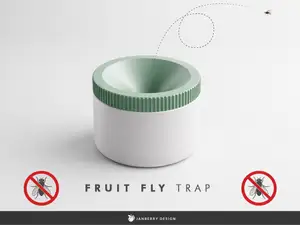



O catálogo completo de temas — de casa e utilidades a CNC, com busca em todos os sites conectados.