Grátis 
Robot Vacuum Eyes
Thingiverse
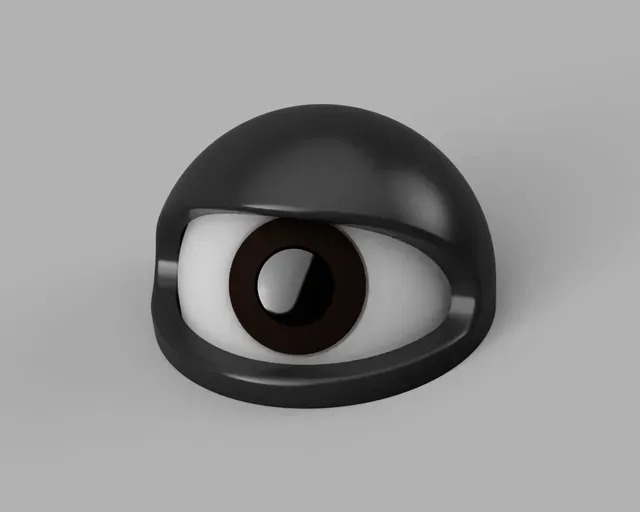
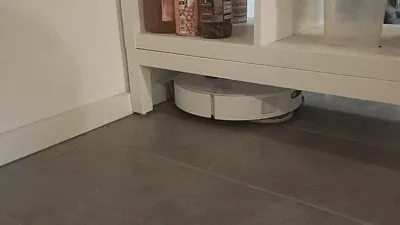
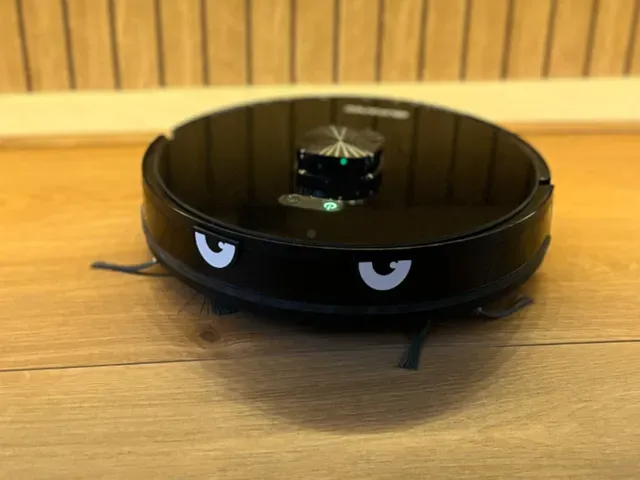
This collection gathers 3D printing files that give a plain robot vacuum a face: eye plates, sensor caps, animatronic eye mechanisms, and the wheels and ramps that go with them. Most of the parts are small, so they print on a standard 3D printer without a large build volume. It is a starting point for anyone who wants to modify a household appliance rather than build a robot from scratch. Polyzon does not confirm whether models are free, their price, license, official status, affiliation, safety or fitness. Check the current terms at the source.
O texto desta coleção está em inglês; a busca funciona em qualquer idioma.
 Uma coleção do Polyzon · 48 modelos de 4 sites
O Polyzon monta esta coleção a partir dos resultados de busca dos sites conectados. Repetições e modelos sem prévia são removidos, correspondências fracas vão para o final e o restante segue a ordem da busca. Os modelos pertencem aos seus autores — confira os termos na página de cada modelo.
Regras de seleção: equipe editorial do Polyzon · Texto atualizado em 14/10/2026
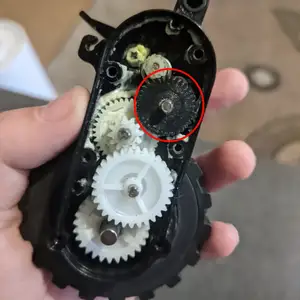

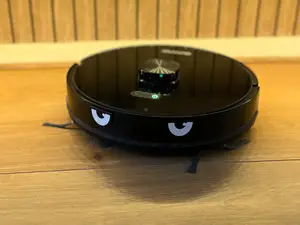
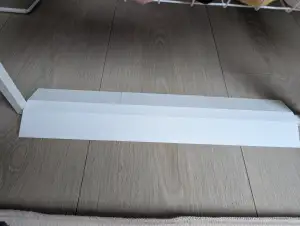


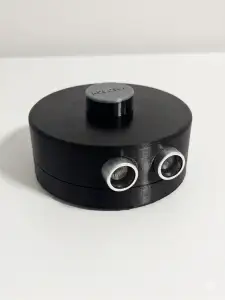

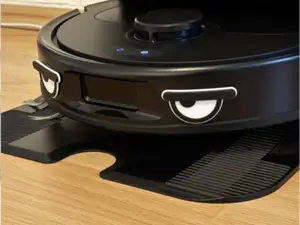
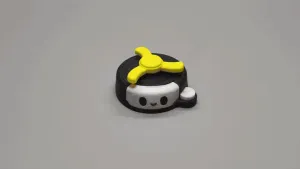

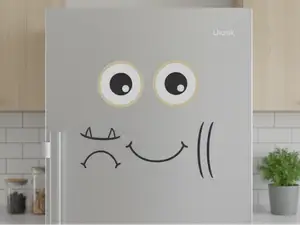
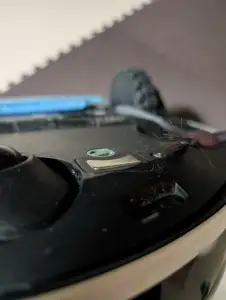

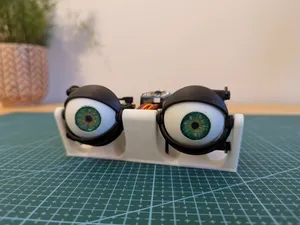
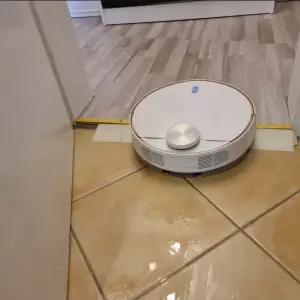

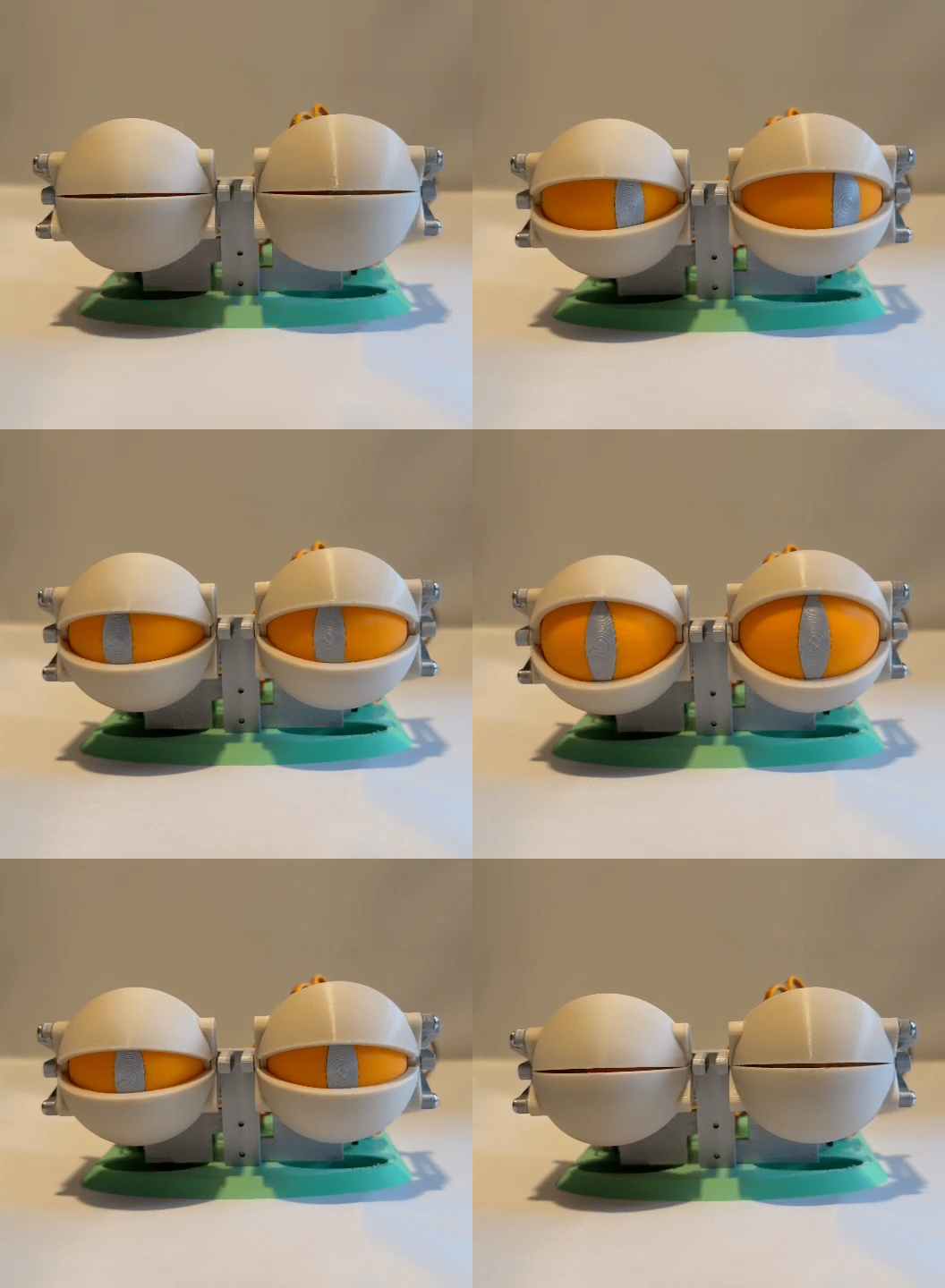
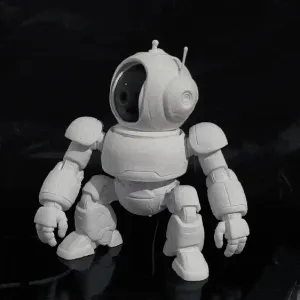

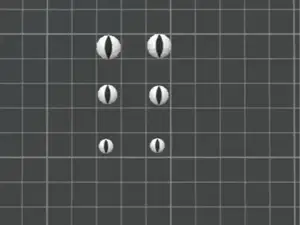
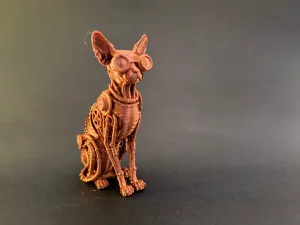

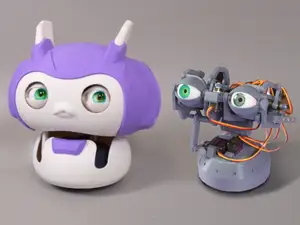
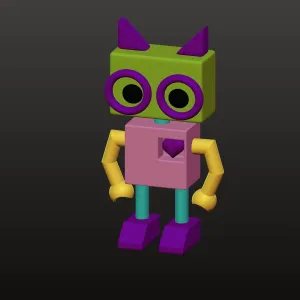

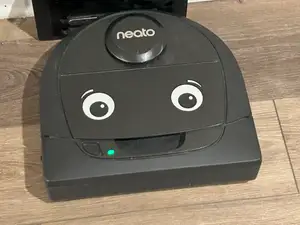
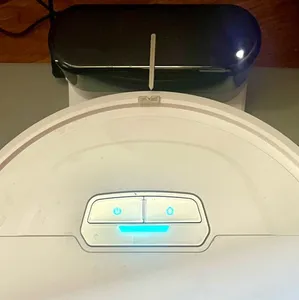

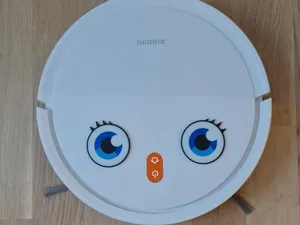
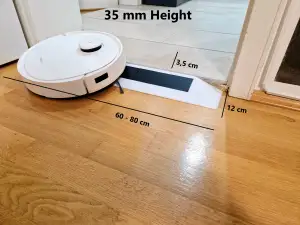

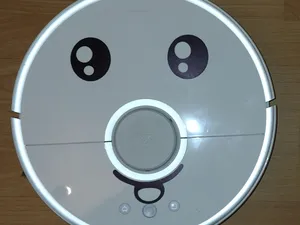

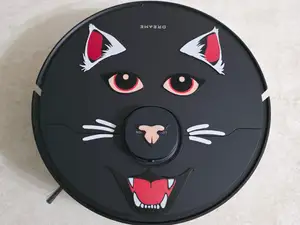

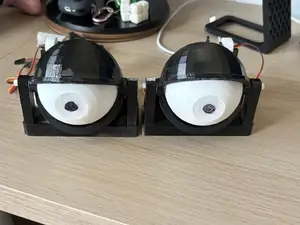
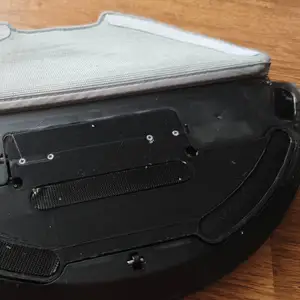

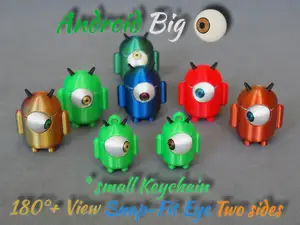
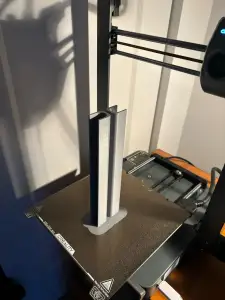


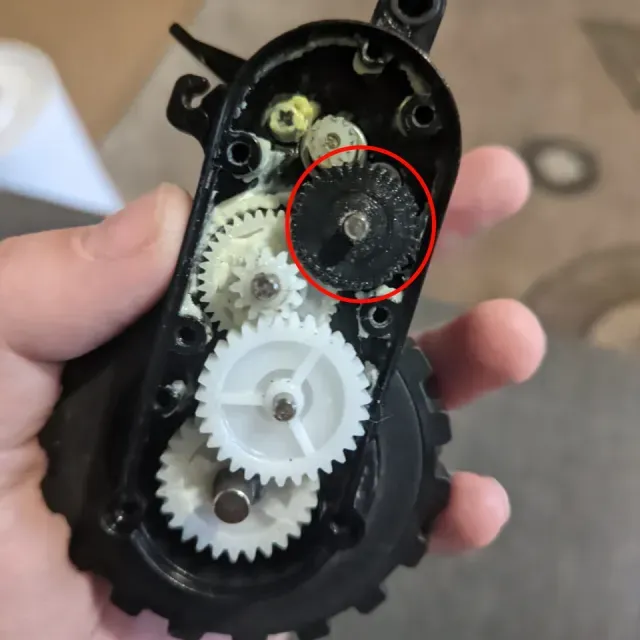
The models fall into a few groups. Decorative eye plates and face overlays sit on the front of the vacuum and are usually printed as one or two flat pieces. Sensor caps replace or cover the plastic around the front sensors, while animatronic eye mechanisms add moving parts, sometimes with a small board and servos. Wheels, ramps and dock parts appear alongside these, aimed at the same appliance.
When choosing, look at how the part attaches: adhesive, clips, screws, or a replacement for an existing cover. Check the dimensions the author lists against your own vacuum, since the front sensor area differs between models. The model page also states the number of parts, whether supports are needed, and the material and settings the author used. Photos of real prints show how the part sits once assembled.
To widen the search, try synonyms such as face, eye stalks, bumper or sensor cover, and related terms like robot vacuum ramp, wheel, dock or modular body. Combining the appliance name with the part you want usually narrows results faster than the topic alone. If a particular vacuum is not covered, look for parts described as adjustable or universal.
A printed face is only useful if the sensors keep working. Before printing, measure the sensor window and the depth of the surrounding plastic, and compare those numbers with the description. Look at the openings in the model and at photos of finished prints to see where the sensors stay exposed.



O catálogo completo de temas — de casa e utilidades a CNC, com busca em todos os sites conectados.