免费 
Robot Vacuum Eyes
Thingiverse
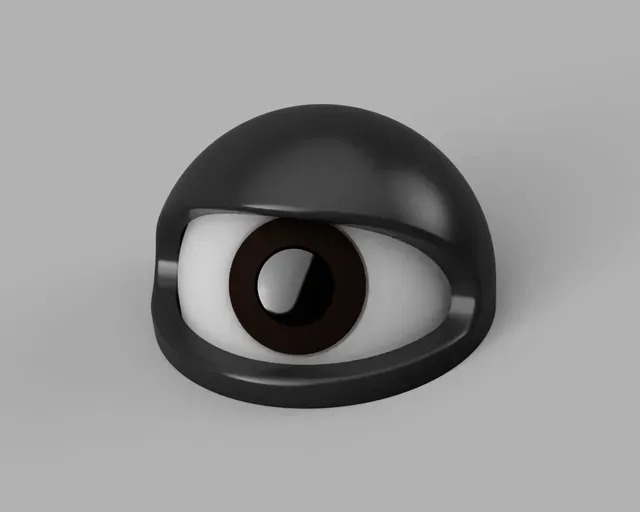
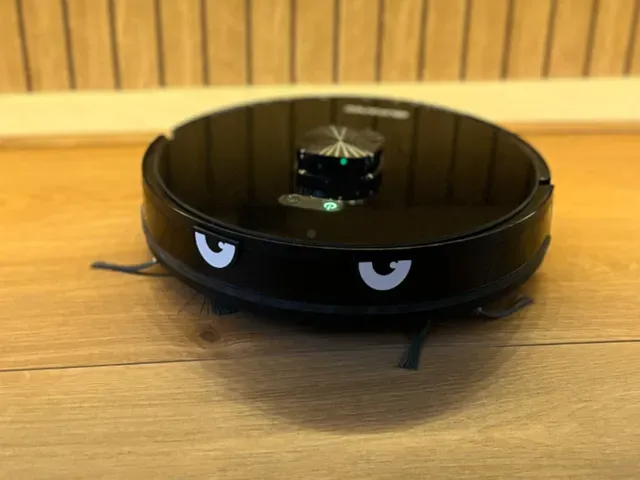
This collection gathers 3D printing files that give a plain robot vacuum a face: eye plates, sensor caps, animatronic eye mechanisms, and the wheels and ramps that go with them. Most of the parts are small, so they print on a standard 3D printer without a large build volume. It is a starting point for anyone who wants to modify a household appliance rather than build a robot from scratch. Polyzon does not confirm whether models are free, their price, license, official status, affiliation, safety or fitness. Check the current terms at the source.
本合集的文字为英文,搜索本身支持任何语言。
 Polyzon合集 · 48个模型 来自4个平台
此合集由Polyzon根据已接入平台的搜索结果整理而成:去除重复项和没有预览图的模型,匹配度低的排在最后,其余按搜索结果顺序排列。模型归作者所有——请在各模型页面查看使用条款。
筛选规则:Polyzon编辑部 · 文字更新于2026年10月14日

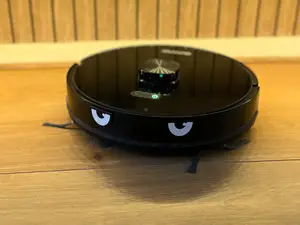


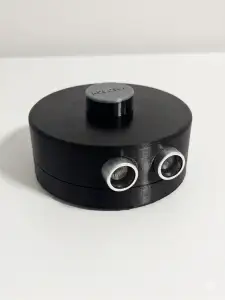

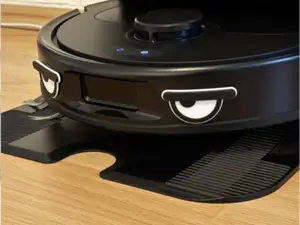
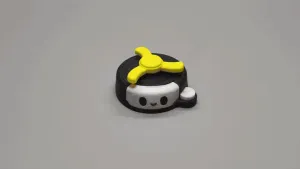

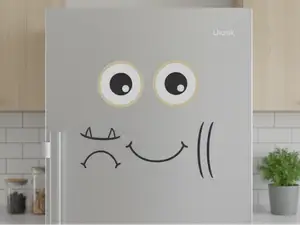
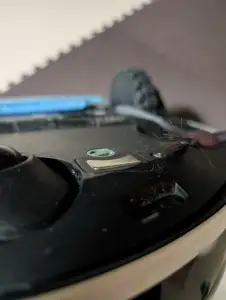

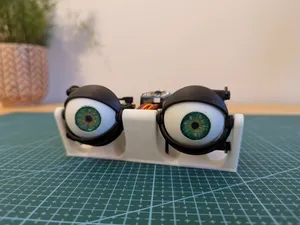
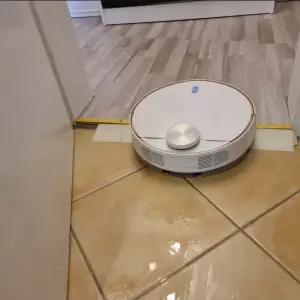

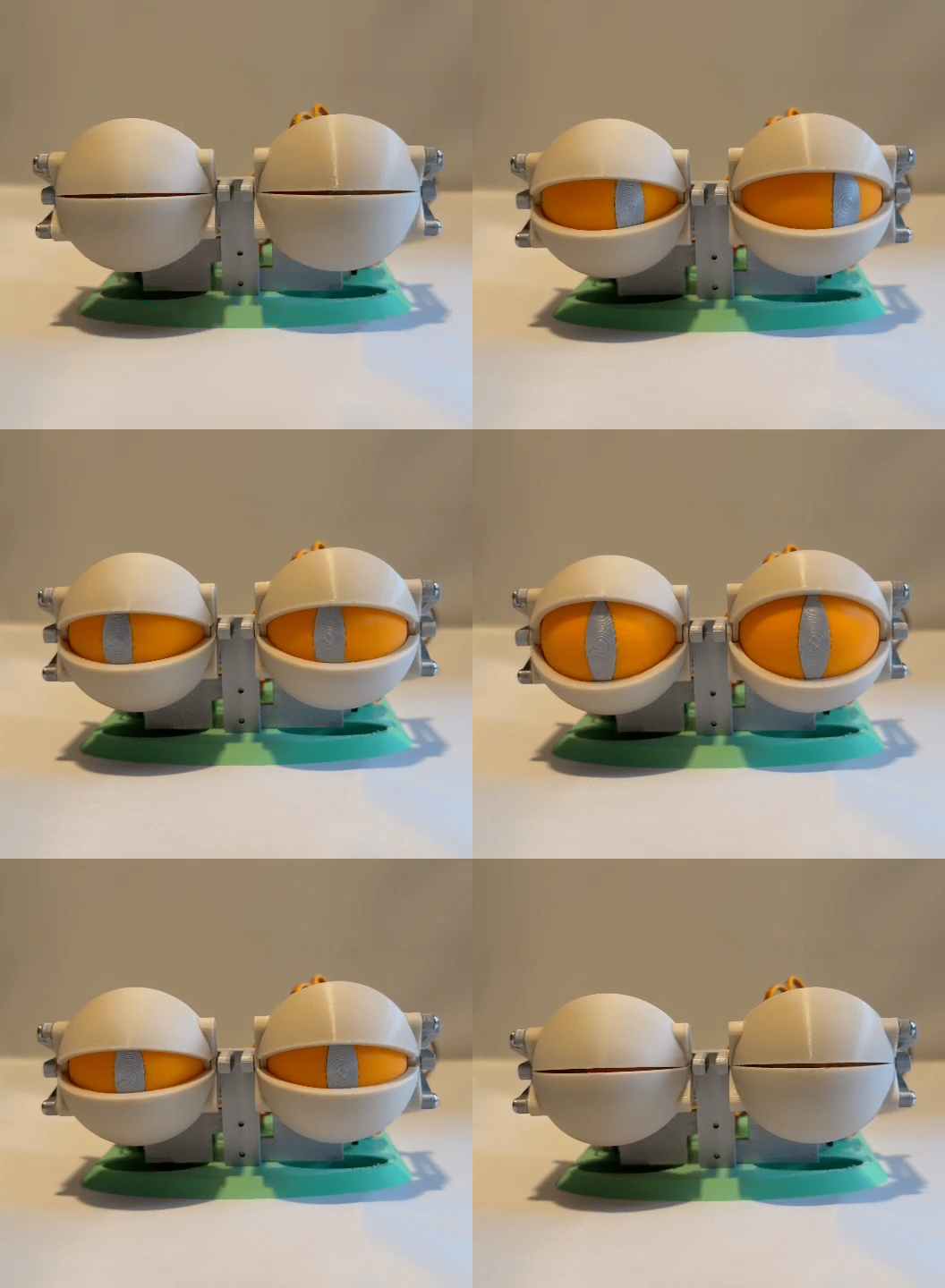
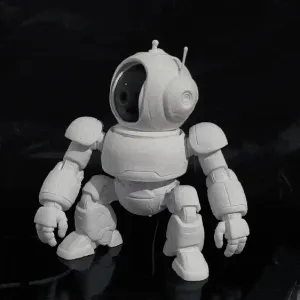

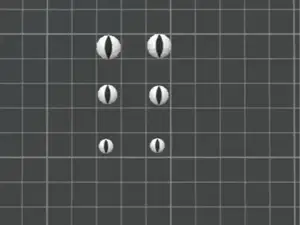
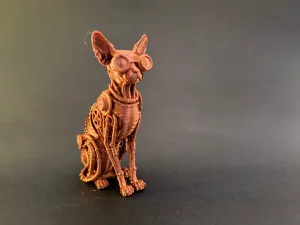

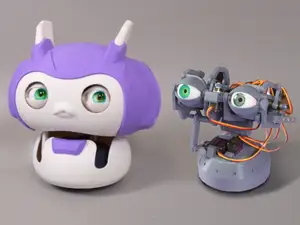
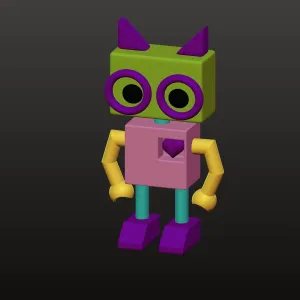

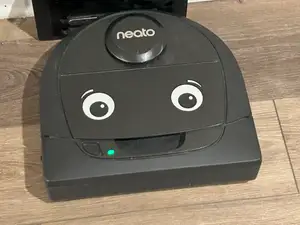
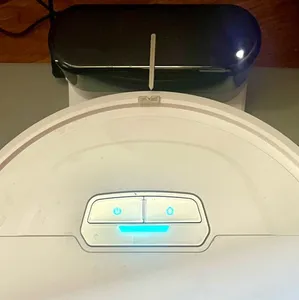

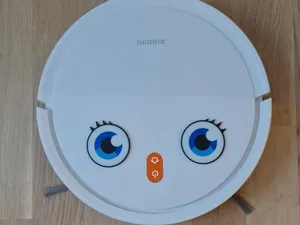
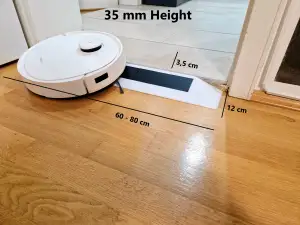

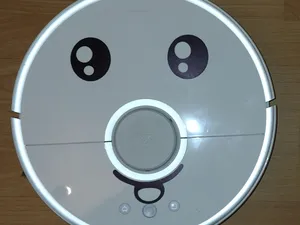

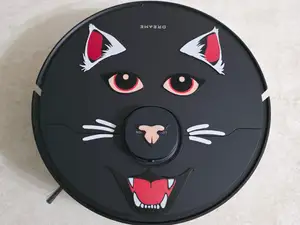
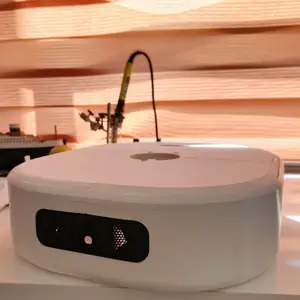

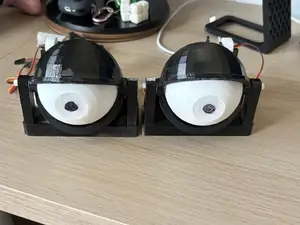
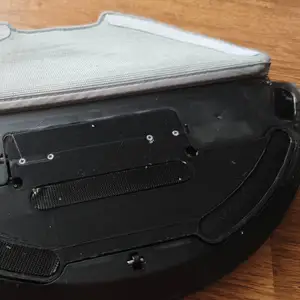

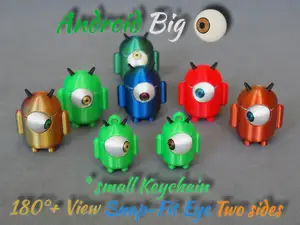
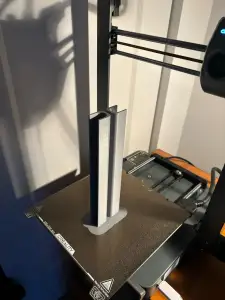


The models fall into a few groups. Decorative eye plates and face overlays sit on the front of the vacuum and are usually printed as one or two flat pieces. Sensor caps replace or cover the plastic around the front sensors, while animatronic eye mechanisms add moving parts, sometimes with a small board and servos. Wheels, ramps and dock parts appear alongside these, aimed at the same appliance.
When choosing, look at how the part attaches: adhesive, clips, screws, or a replacement for an existing cover. Check the dimensions the author lists against your own vacuum, since the front sensor area differs between models. The model page also states the number of parts, whether supports are needed, and the material and settings the author used. Photos of real prints show how the part sits once assembled.
To widen the search, try synonyms such as face, eye stalks, bumper or sensor cover, and related terms like robot vacuum ramp, wheel, dock or modular body. Combining the appliance name with the part you want usually narrows results faster than the topic alone. If a particular vacuum is not covered, look for parts described as adjustable or universal.
A printed face is only useful if the sensors keep working. Before printing, measure the sensor window and the depth of the surrounding plastic, and compare those numbers with the description. Look at the openings in the model and at photos of finished prints to see where the sensors stay exposed.
完整的主题目录:从家居日用到CNC,均可在已接入的来源平台中搜索。