
Grátis 
Radioactive Cufflinks
Thingiverse
This collection gathers STL files for dampers, vibration-reducing feet, and related mounting parts. It covers designs for 3D printers, small vehicles, and home fixtures, so you can compare shapes and mounting options. Use it to find a starting point for your own 3D printing project. Polyzon does not confirm whether models are free, their price, license, official status, affiliation, safety or fitness. Check the current terms at the source.
O texto desta coleção está em inglês; a busca funciona em qualquer idioma.
 Uma coleção do Polyzon · 47 modelos de 3 sites
O Polyzon monta esta coleção a partir dos resultados de busca dos sites conectados. Repetições e modelos sem prévia são removidos, correspondências fracas vão para o final e o restante segue a ordem da busca. Os modelos pertencem aos seus autores — confira os termos na página de cada modelo.
Regras de seleção: equipe editorial do Polyzon · Texto atualizado em 13/10/2026

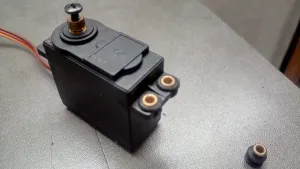


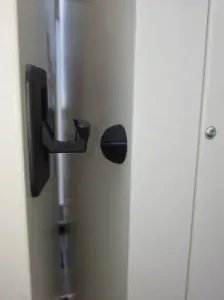

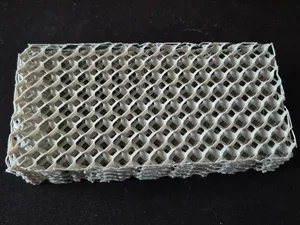
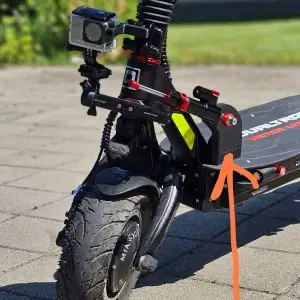

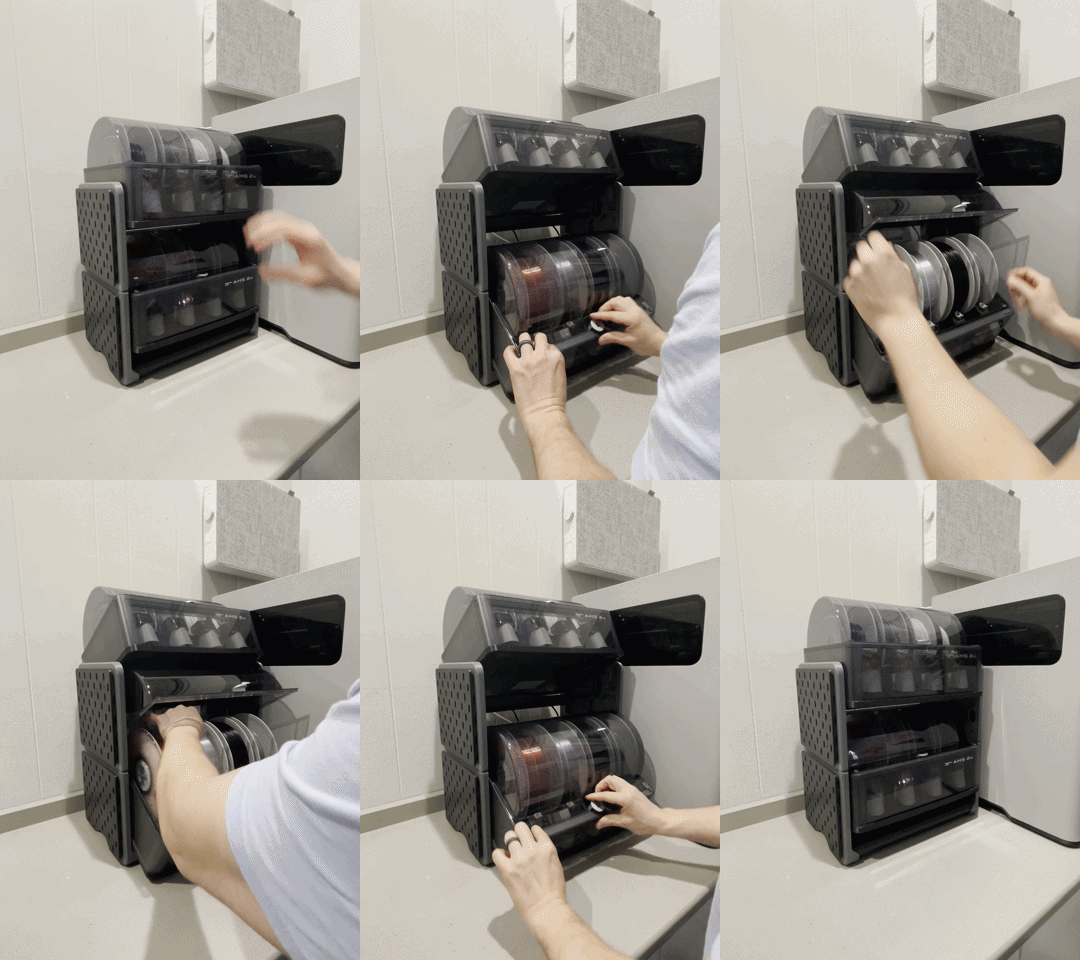


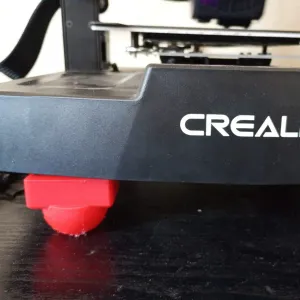

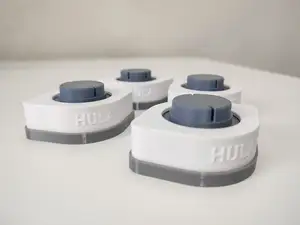

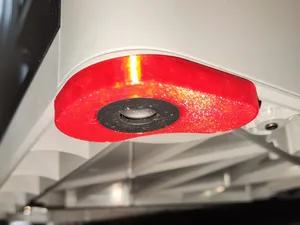
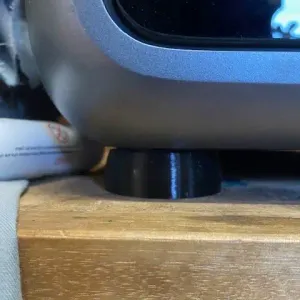

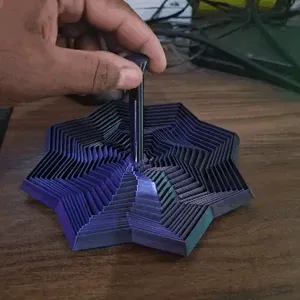
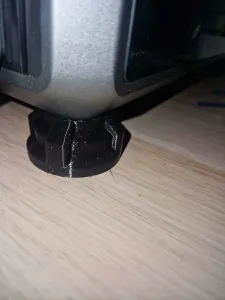

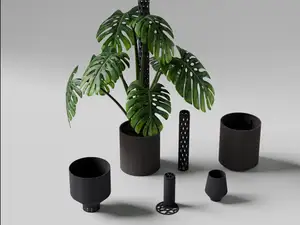


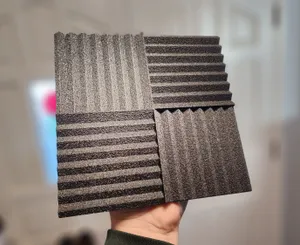
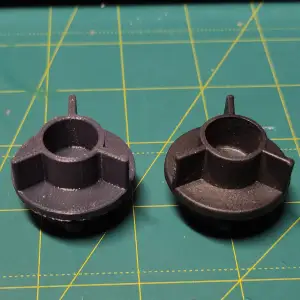

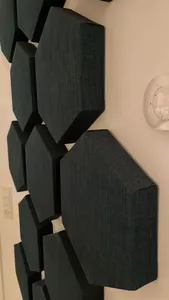
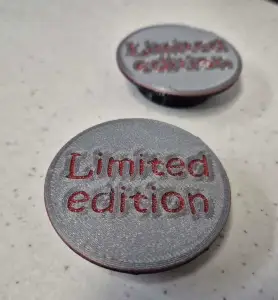

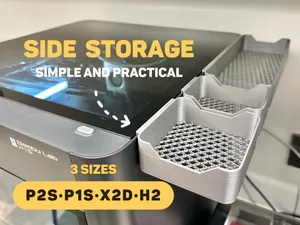
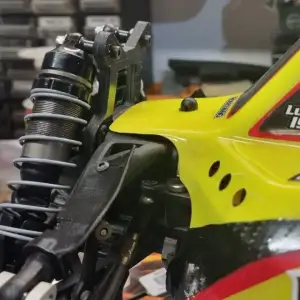


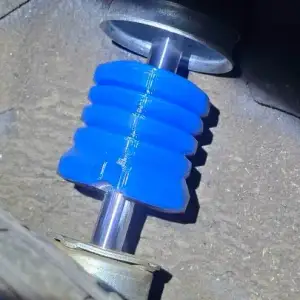
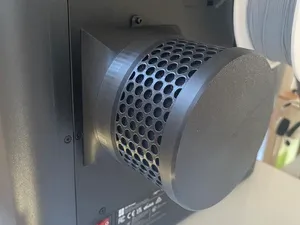
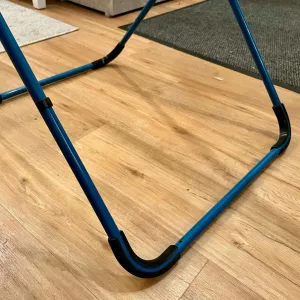
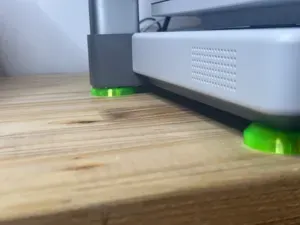
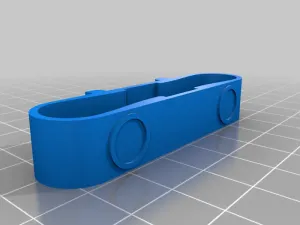
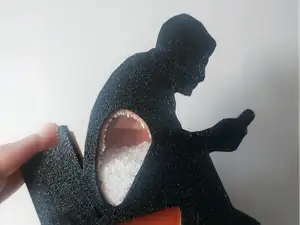
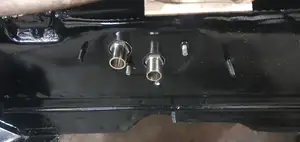
The models range from simple anti-vibration feet to more complex mechanical dampers with moving parts. Some are designed for printer frames, while others fit doors, ventilation openings, or vehicle mounts. Differences often come down to mounting pattern, size, and whether the damper uses flexible material or a spring-like geometry.
Before printing, check the author's page for the intended scale, the number of separate parts, and whether supports are needed. Look at the listed material and settings, especially if the design calls for a flexible filament. Photos of real prints can help you judge how the part sits and moves after assembly.
If you need a different shape, try synonyms such as flap, valve, or vibration isolator. Related topics include printer feet, servo mounts, and door hardware. Combining a material name with the part type can narrow results further.


O catálogo completo de temas — de casa e utilidades a CNC, com busca em todos os sites conectados.