
Ücretsiz 
Radioactive Cufflinks
Thingiverse
This collection gathers STL files for dampers, vibration-reducing feet, and related mounting parts. It covers designs for 3D printers, small vehicles, and home fixtures, so you can compare shapes and mounting options. Use it to find a starting point for your own 3D printing project. Polyzon does not confirm whether models are free, their price, license, official status, affiliation, safety or fitness. Check the current terms at the source.
Bu koleksiyonun metni İngilizce; arama ise her dilde çalışır.
 Bir Polyzon koleksiyonu · 47 model 3 siteden
Polyzon bu koleksiyonu bağlı sitelerdeki arama sonuçlarından oluşturur. Tekrarlar ve önizlemesi olmayan modeller çıkarılır, zayıf eşleşmeler sona alınır, geri kalanlar arama sırasını korur. Modeller yazarlarına aittir; her modelin sayfasındaki koşulları kontrol edin.
Seçim kuralları: Polyzon editör ekibi · Metin güncellendi: 13.10.2026

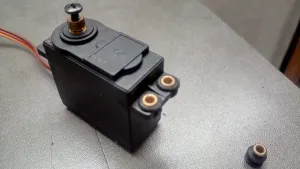


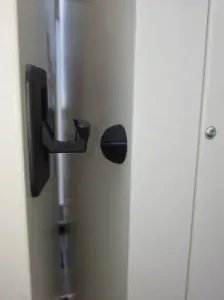

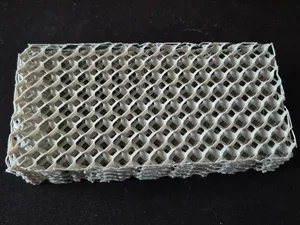
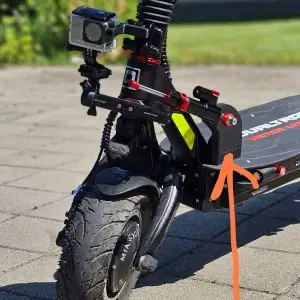

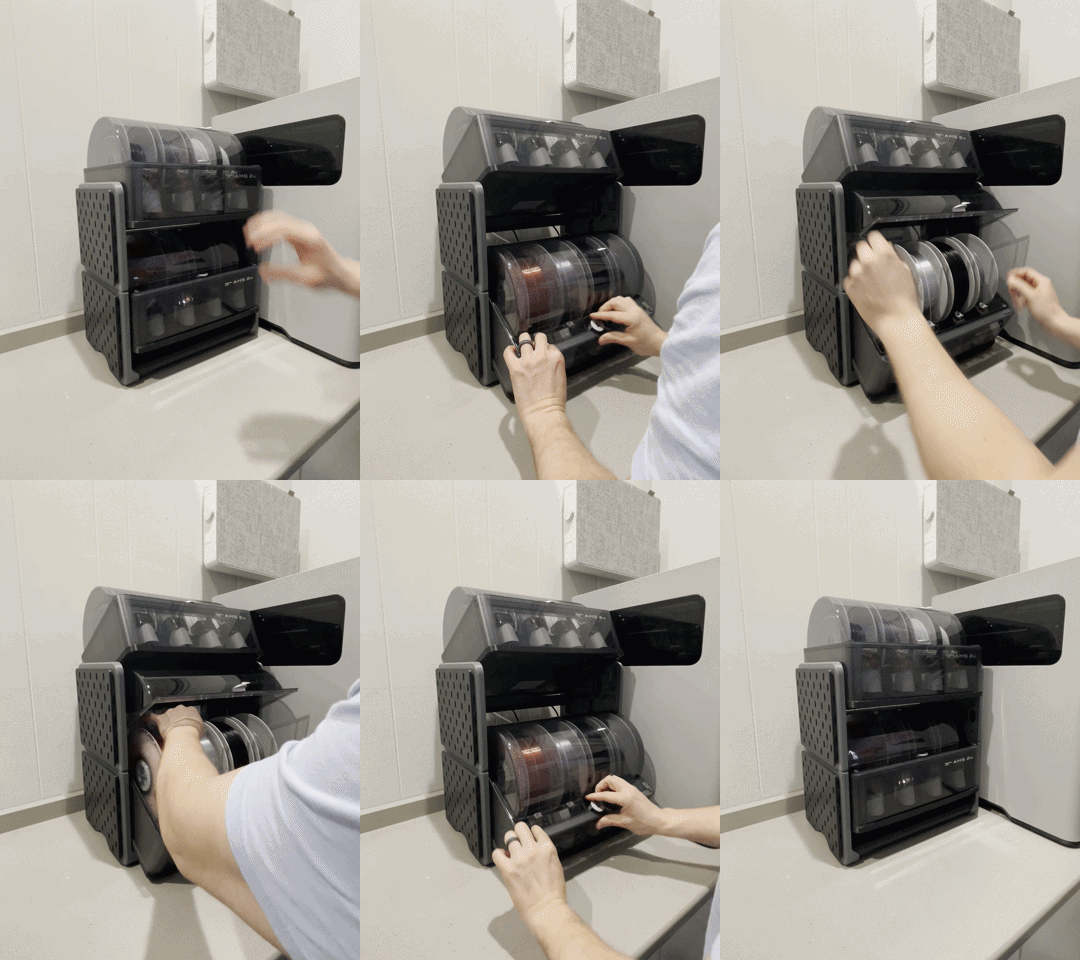


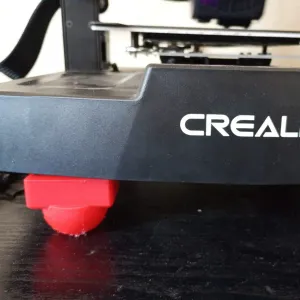


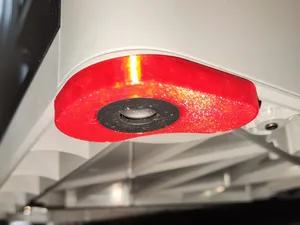
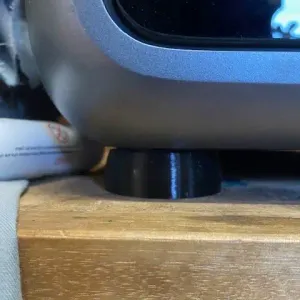

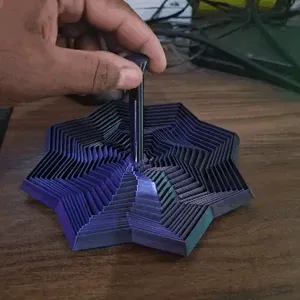
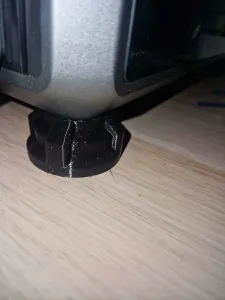

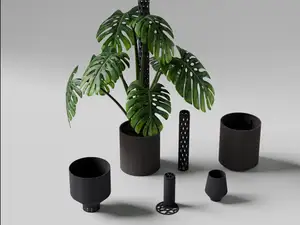
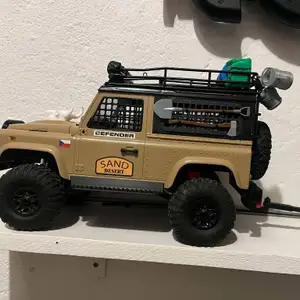

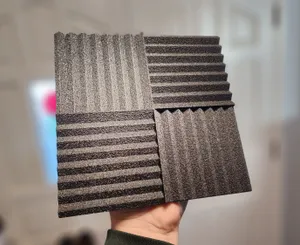
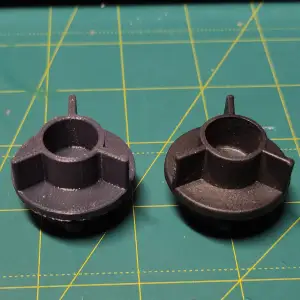

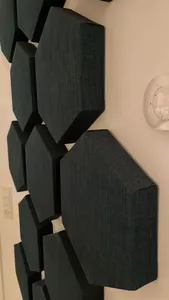


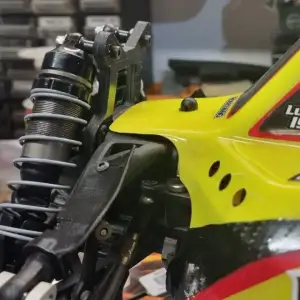


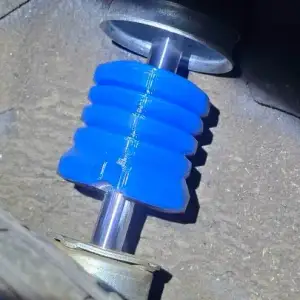
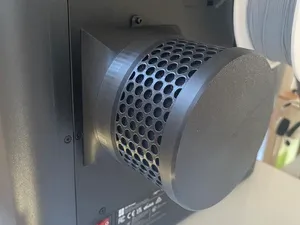
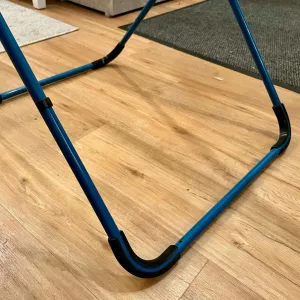
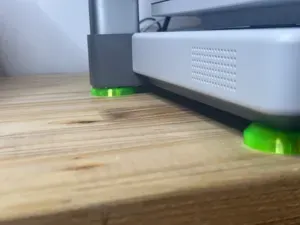
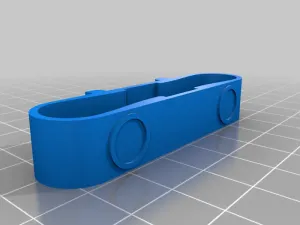
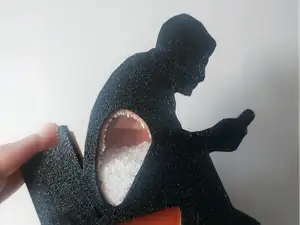
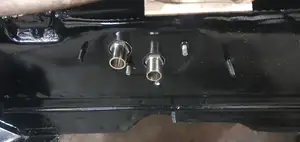
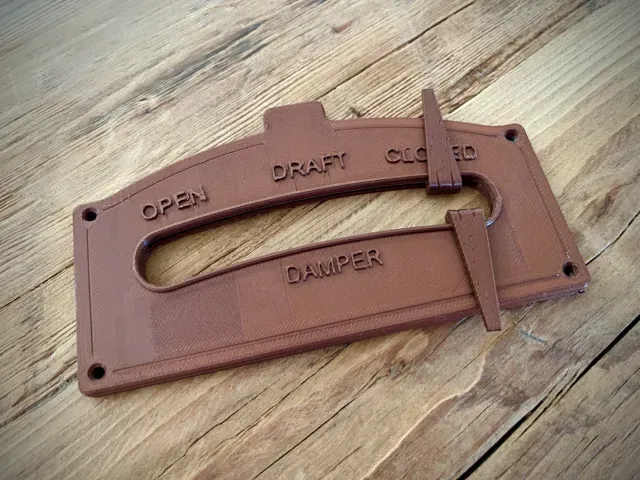
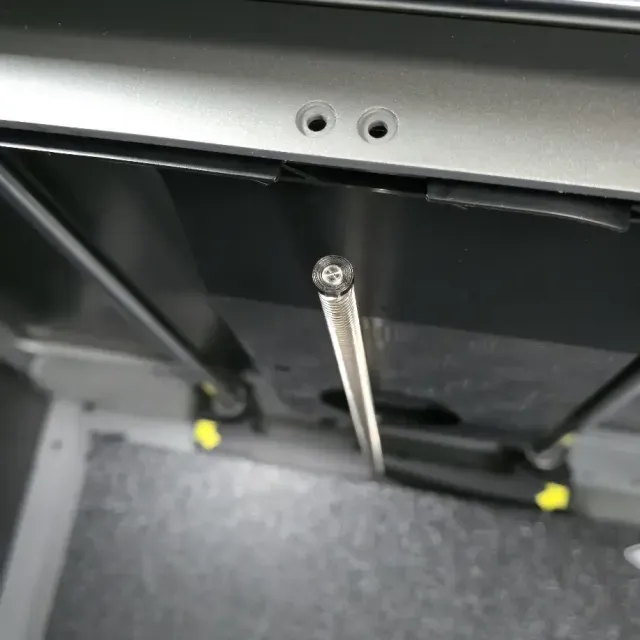
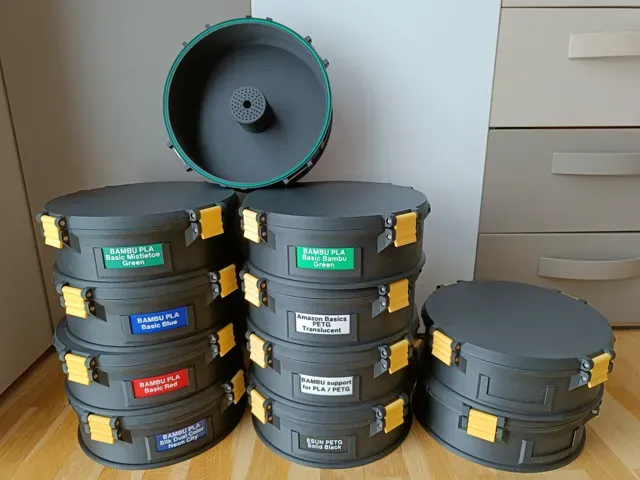
The models range from simple anti-vibration feet to more complex mechanical dampers with moving parts. Some are designed for printer frames, while others fit doors, ventilation openings, or vehicle mounts. Differences often come down to mounting pattern, size, and whether the damper uses flexible material or a spring-like geometry.
Before printing, check the author's page for the intended scale, the number of separate parts, and whether supports are needed. Look at the listed material and settings, especially if the design calls for a flexible filament. Photos of real prints can help you judge how the part sits and moves after assembly.
If you need a different shape, try synonyms such as flap, valve, or vibration isolator. Related topics include printer feet, servo mounts, and door hardware. Combining a material name with the part type can narrow results further.

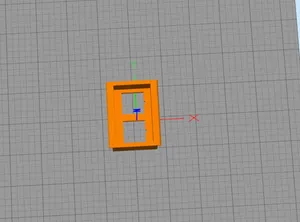

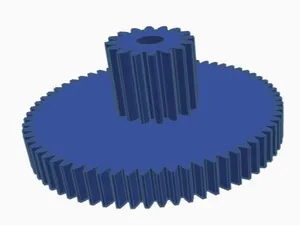
Ev ve günlük yaşamdan CNC'ye kadar tüm konuların kataloğu; bağlı sitelerin hepsinde arama yapabilirsiniz.