Ücretsiz 
Vacuum Adaptor - Small Shop Vac to DeWalt DW745 Compact Table Saw
Thingiverse
This collection covers STL files that link a DeWalt vacuum to power tools, capture dust at the cut, or replace small parts inside the unit. Most entries are adapters, so the collection is useful when a hose and a tool port do not match out of the box. Each model page is written by its author, so the measurements and settings come from them. Polyzon does not confirm whether models are free, their price, license, official status, affiliation, safety or fitness. Check the current terms at the source.
Bu koleksiyonun metni İngilizce; arama ise her dilde çalışır.
 Bir Polyzon koleksiyonu · 48 model 4 siteden
Polyzon bu koleksiyonu bağlı sitelerdeki arama sonuçlarından oluşturur. Tekrarlar ve önizlemesi olmayan modeller çıkarılır, zayıf eşleşmeler sona alınır, geri kalanlar arama sırasını korur. Modeller yazarlarına aittir; her modelin sayfasındaki koşulları kontrol edin.
Seçim kuralları: Polyzon editör ekibi · Metin güncellendi: 13.10.2026
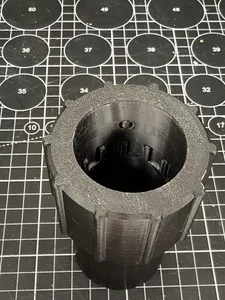

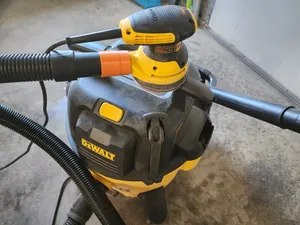
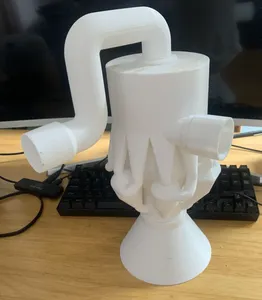
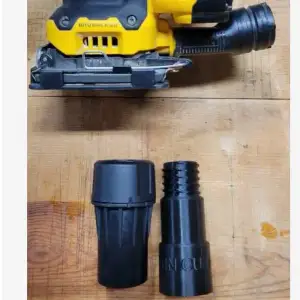

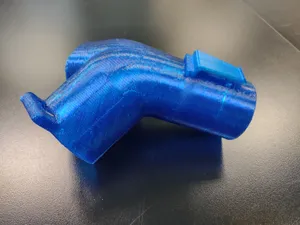
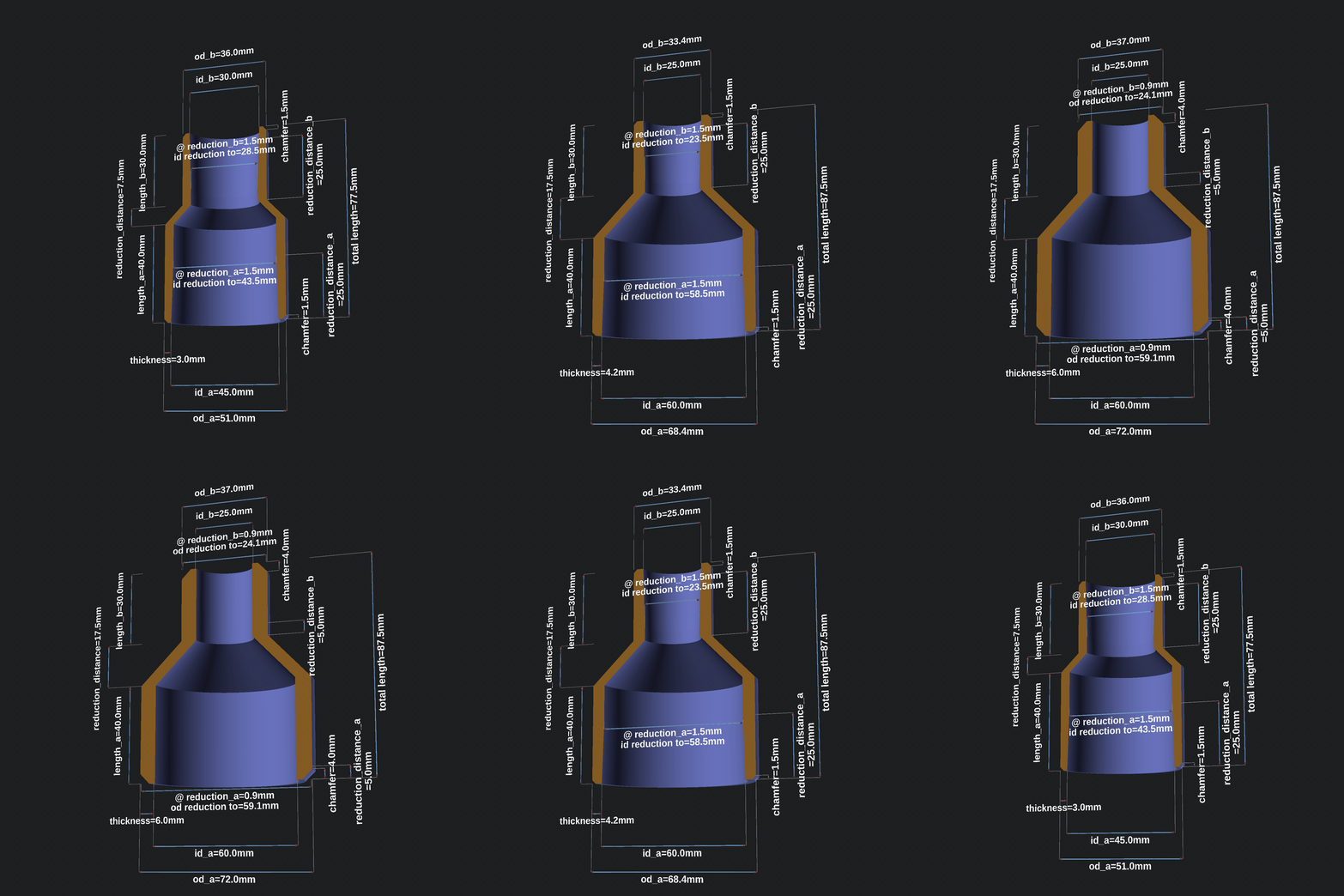
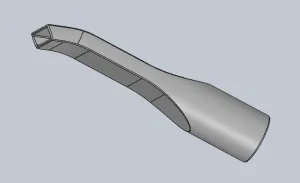

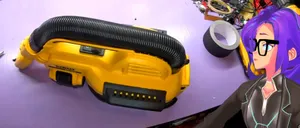
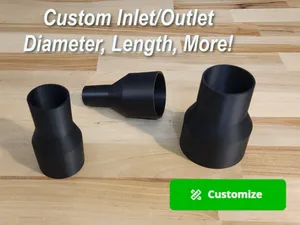
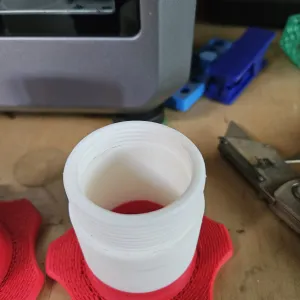

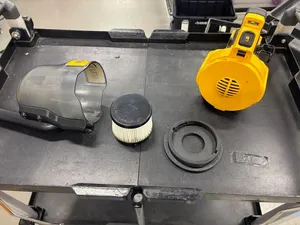
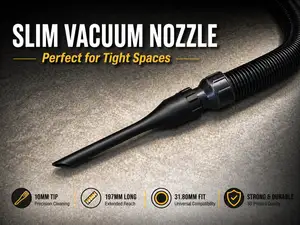
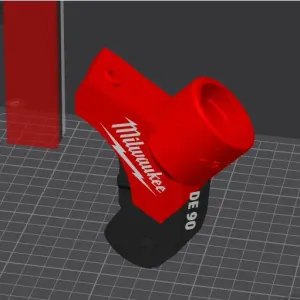

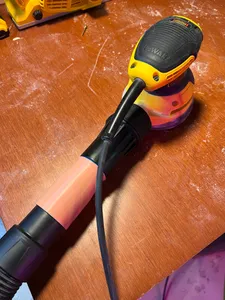
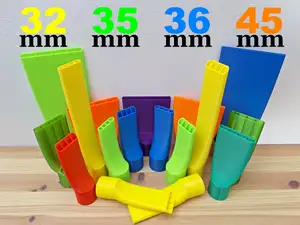
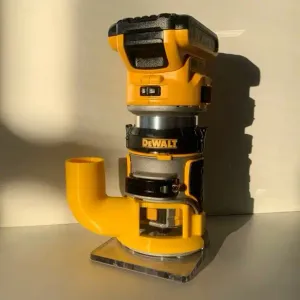


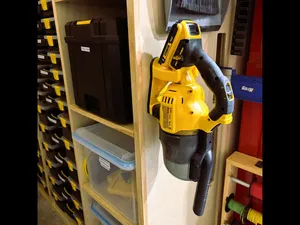
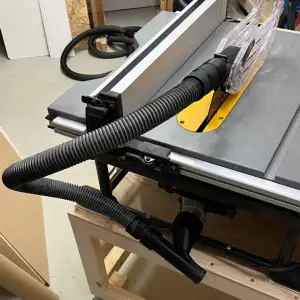

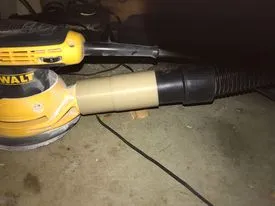
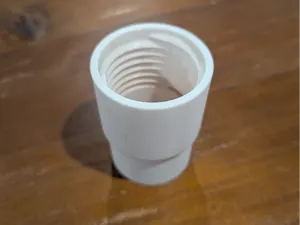
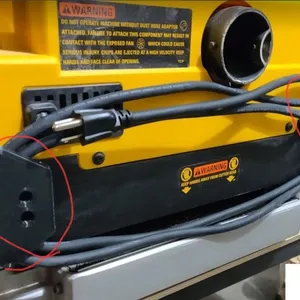

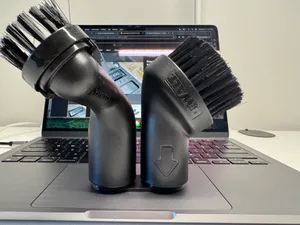
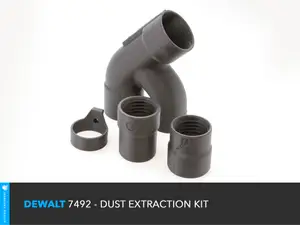
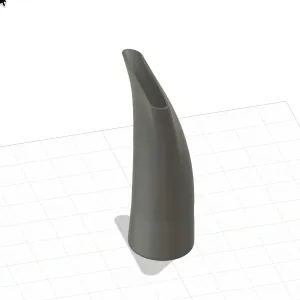

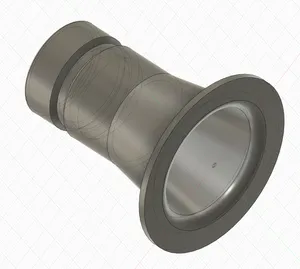
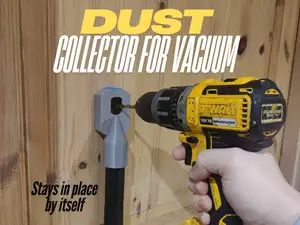
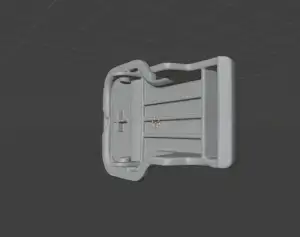

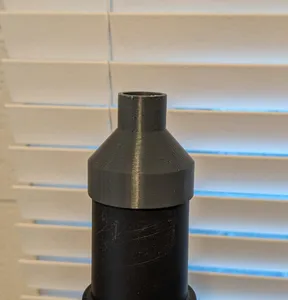
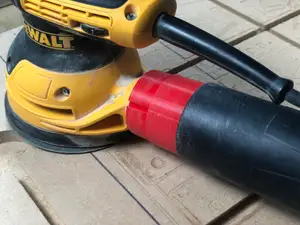


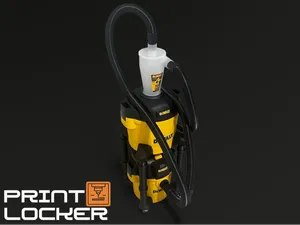
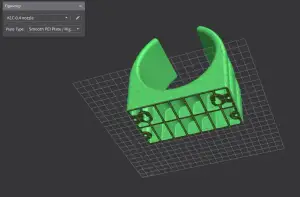
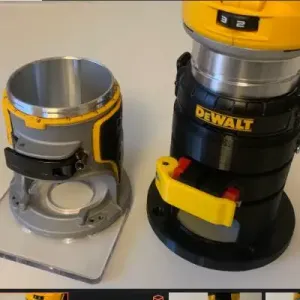
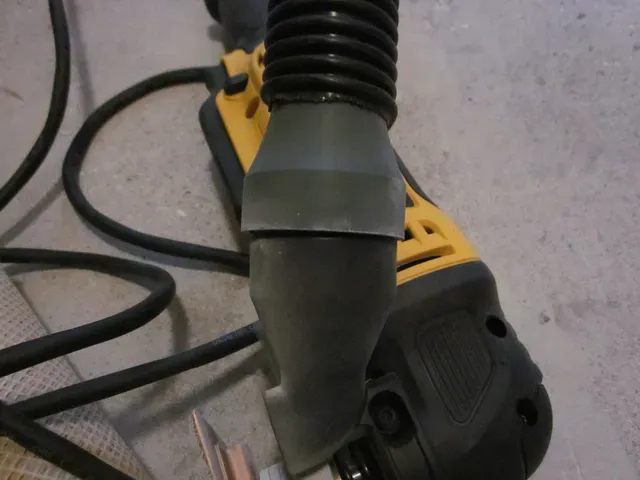
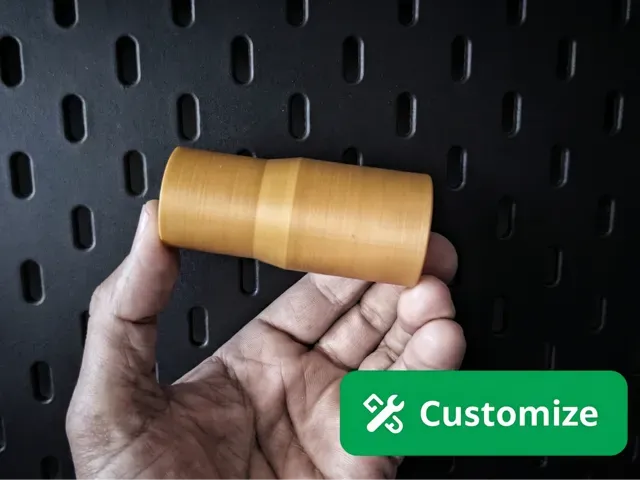
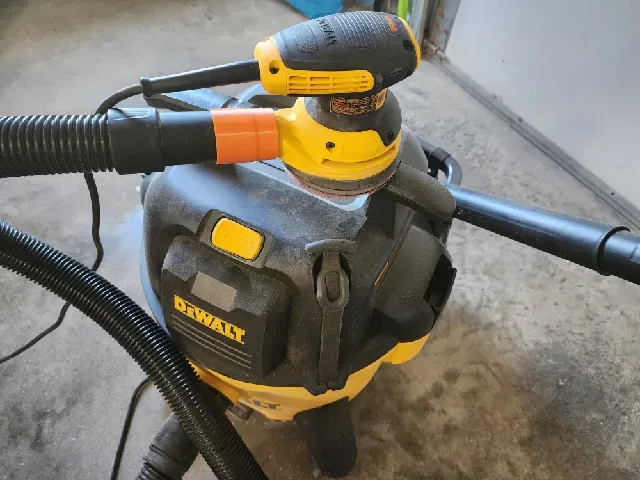
The largest group is hose adapters: short pieces that step from one diameter to another, twist-lock fittings, and versions that connect a compact table saw or an orbital sander to a shop vacuum. A second group is parametric generators, where you enter the two diameters you measured and the model rebuilds itself around those values. Dust attachments for angle grinders and sanders form a third group, and these usually include a hood or shroud around the working area rather than a plain tube.
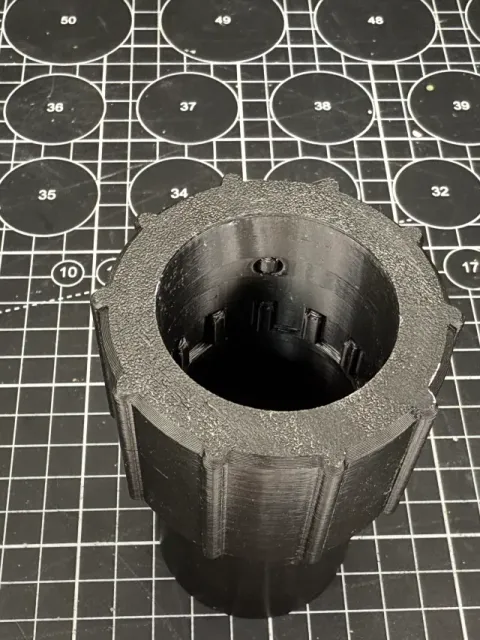
When you open a model page, read the dimensions the author lists and compare them with your own hose end and tool port, since nominal sizes differ between brands and generations. Check how many parts the file contains and whether they are meant to be glued, screwed or pushed together, and look at the photos of real prints to judge wall thickness and fit. The author's material and layer settings matter on thin adapter walls, where a brittle filament can crack at the joint.
If a search returns little, try the terms people use for the same object: vac, extractor, dust port, hose cuff, or the tool type such as orbital sander, track saw or angle grinder. Searching for a parametric generator instead of a single fitting often helps when your hose size is unusual. Related topics worth browsing include dust separators, cyclone lids and replacement filter holders.



Ev ve günlük yaşamdan CNC'ye kadar tüm konuların kataloğu; bağlı sitelerin hepsinde arama yapabilirsiniz.