
Ücretsiz 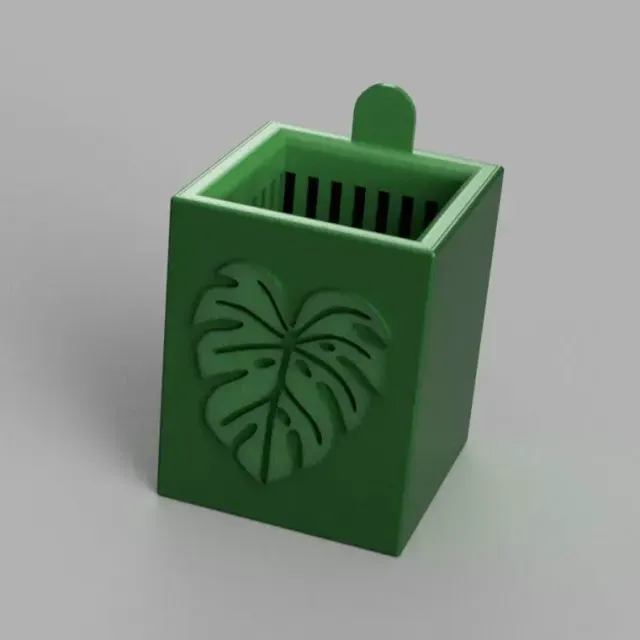
горшок с автополивом для Алоказии
Creality Cloud
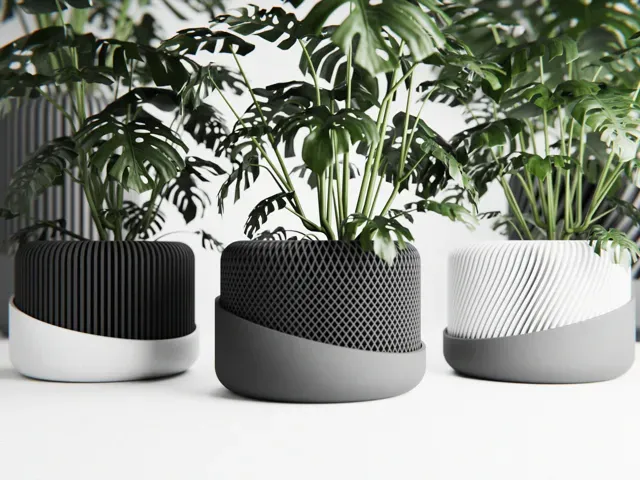
This collection gathers 3D models of plant pots that water themselves, from simple reservoir planters to builds with pumps and sensors. It is useful if you want to print a pot around a specific plant size or a specific watering method. Every model here is meant for a 3D printer, so the shape of the water chamber and the wall thickness matter as much as the look. Polyzon does not confirm whether models are free, their price, license, official status, affiliation, safety or fitness. Check the current terms at the source.
Bu koleksiyonun metni İngilizce; arama ise her dilde çalışır.
 Bir Polyzon koleksiyonu · 48 model 5 siteden
Polyzon bu koleksiyonu bağlı sitelerdeki arama sonuçlarından oluşturur. Tekrarlar ve önizlemesi olmayan modeller çıkarılır, zayıf eşleşmeler sona alınır, geri kalanlar arama sırasını korur. Modeller yazarlarına aittir; her modelin sayfasındaki koşulları kontrol edin.
Seçim kuralları: Polyzon editör ekibi · Metin güncellendi: 11.10.2026




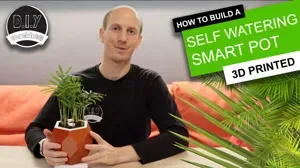


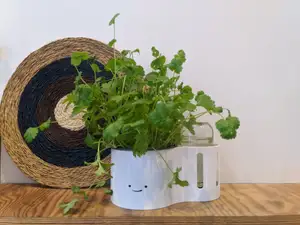
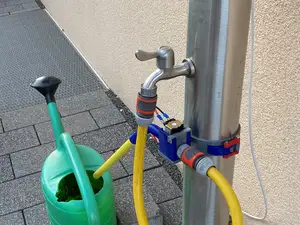
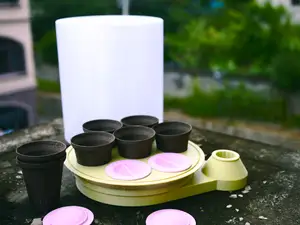


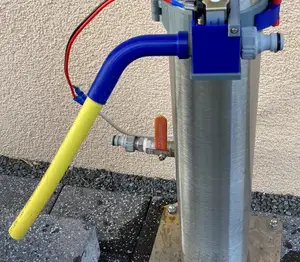
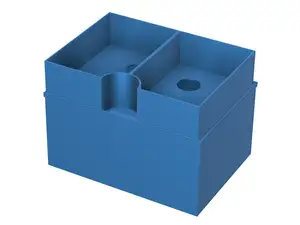

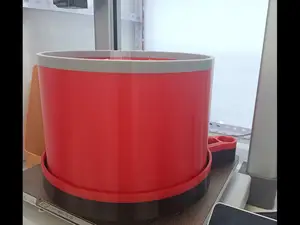


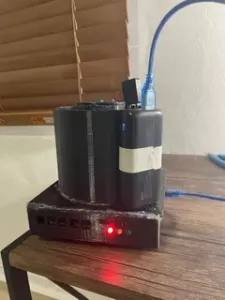
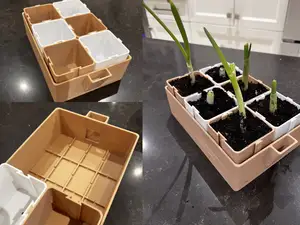
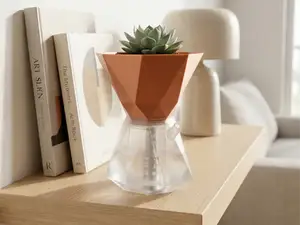

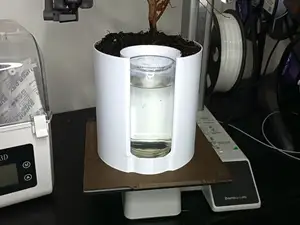

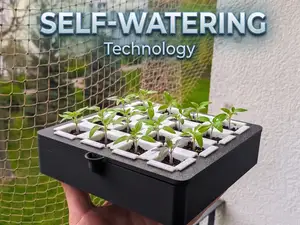


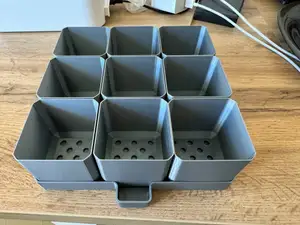
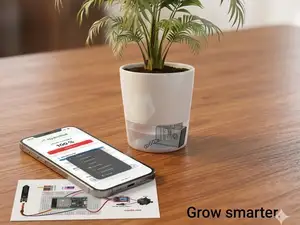
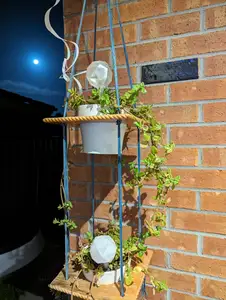
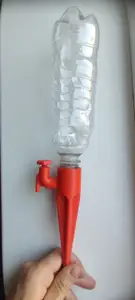

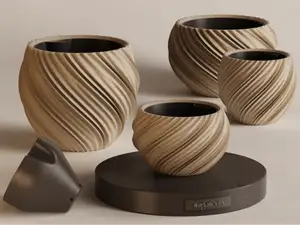
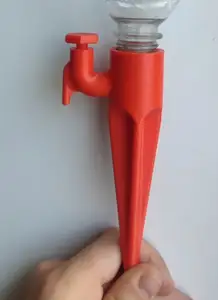
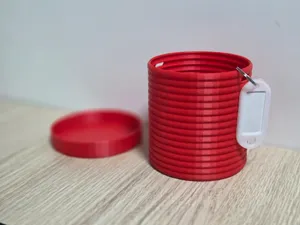


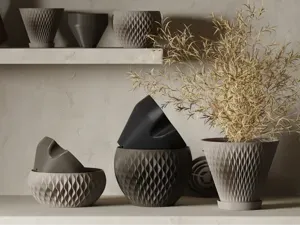
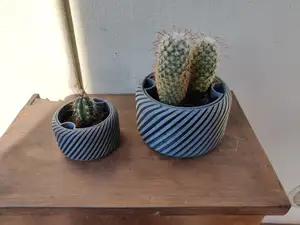
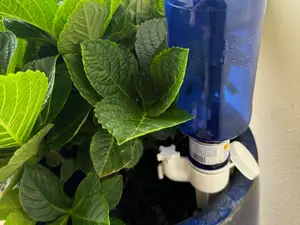
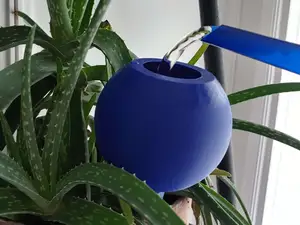

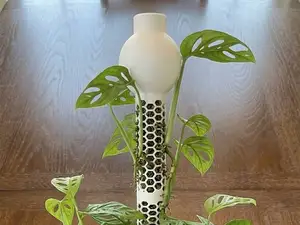
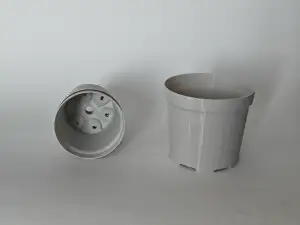
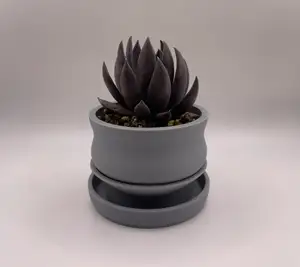
The models fall into a few groups. Some are single-shell pots with a hidden reservoir and a wick or capillary channel that pulls water upward. Others are electronic: a printed housing holds a small pump, a controller board and a moisture sensor, and the pot is one part of a larger watering system. A third group is decorative, where the watering function sits inside a styled outer shell, and a fourth covers separate pieces such as lids, chambers and refill devices that attach to a pot you already have.
When choosing, read the author's page before printing. Check the outer diameter and height against the plant and the space you have, count the parts and see how they join, and look at whether the model needs supports and where they sit. For anything that touches water, note the material the author lists and the settings used, since wall thickness and layer adhesion affect how the chamber holds up. Photos of real prints are the quickest way to judge fit, thread tolerances and how visible the seams are.
Search terms can be widened if the first results are thin. Try self-watering planter, sub-irrigated pot, wick planter, automatic irrigation, moisture retention pot or lazy pot, and add a size or a plant type to narrow things down. For electronic versions, combine the pot with terms like Arduino, pump housing, sensor mount or water level indicator. Related directions include hydroponic pots, drip trays, soil moisture meters and printed parts for a larger irrigation setup.
Ev ve günlük yaşamdan CNC'ye kadar tüm konuların kataloğu; bağlı sitelerin hepsinde arama yapabilirsiniz.