Ücretsiz 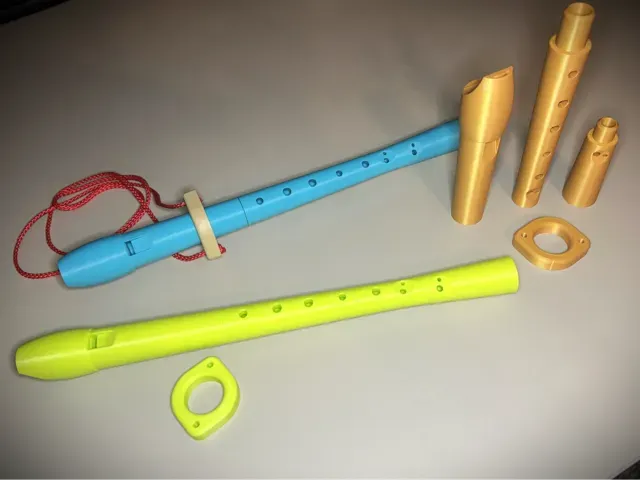
Recorder / Flute Musical Instrument
MakerWorld
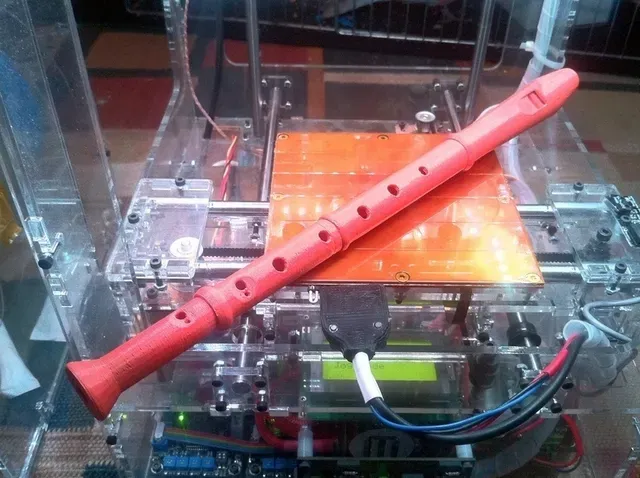
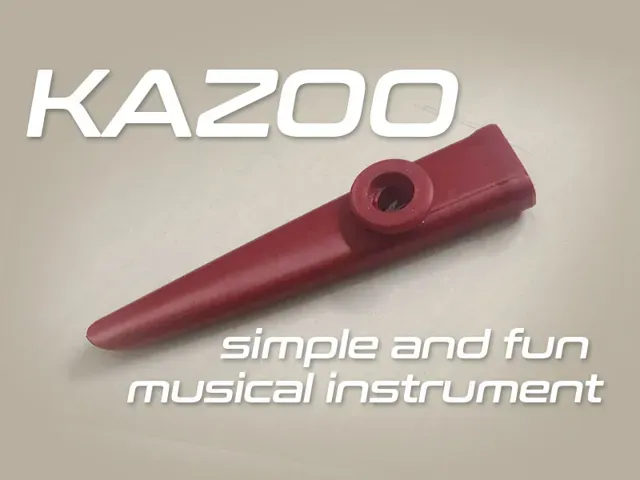
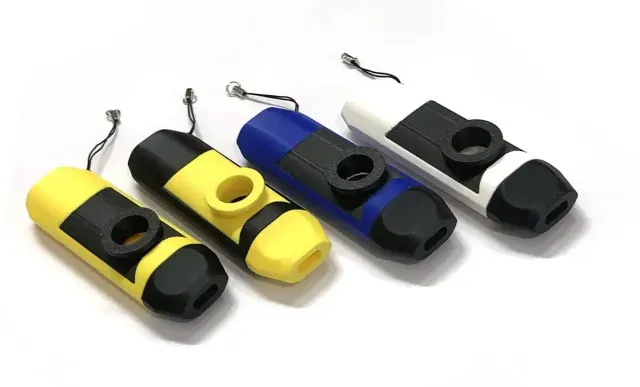
This collection gathers 3D models of musical instruments, from small ocarinas and kazoos to recorders, pan flutes and string builds. It is useful when you want a playable object rather than a decorative one, and it shows how varied the shapes and tuning approaches are. Most files are meant for a desktop 3D printer, so wall thickness and internal channels matter as much as the outer form. Polyzon does not confirm whether models are free, their price, license, official status, affiliation, safety or fitness. Check the current terms at the source.
Bu koleksiyonun metni İngilizce; arama ise her dilde çalışır.
 Bir Polyzon koleksiyonu · 47 model 9 siteden
Polyzon bu koleksiyonu bağlı sitelerdeki arama sonuçlarından oluşturur. Tekrarlar ve önizlemesi olmayan modeller çıkarılır, zayıf eşleşmeler sona alınır, geri kalanlar arama sırasını korur. Modeller yazarlarına aittir; her modelin sayfasındaki koşulları kontrol edin.
Seçim kuralları: Polyzon editör ekibi · Metin güncellendi: 13.10.2026
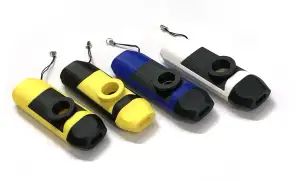

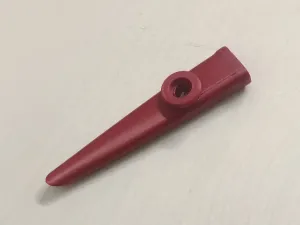

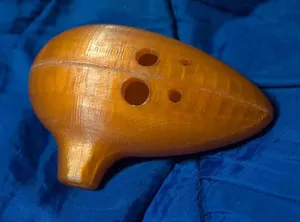
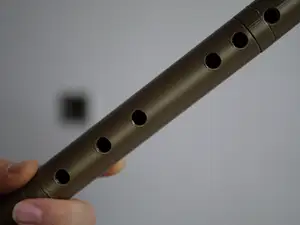


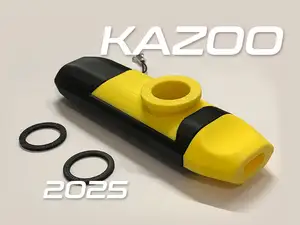

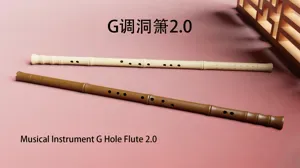

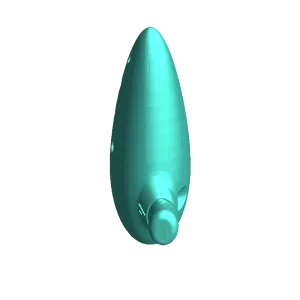
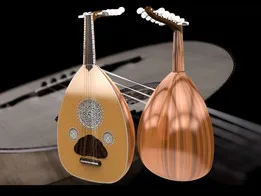

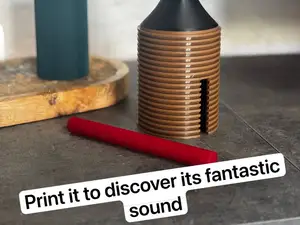

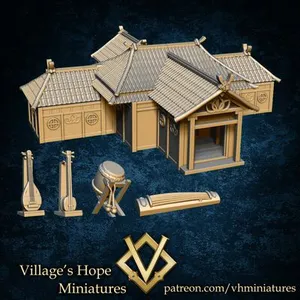




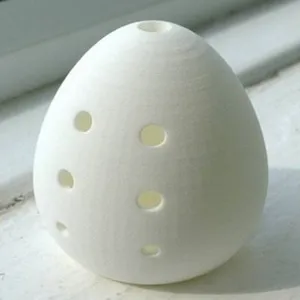


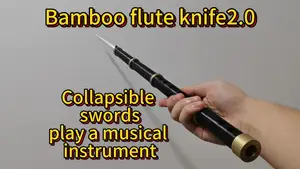


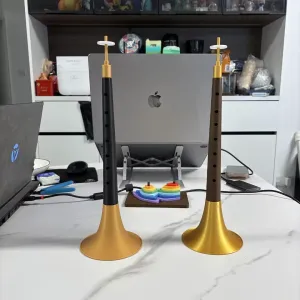




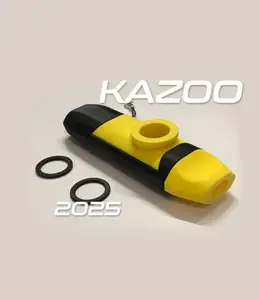




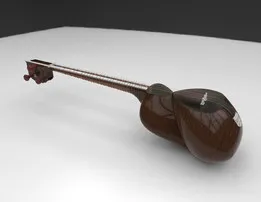
The range splits into a few groups. Vessel flutes such as ocarinas and Chinese xun are compact, often with a fixed number of finger holes. Tubular instruments — recorders, transverse flutes, quenas and pan flutes — are longer and depend on a clean bore. Kazoos and whistles are the simplest to make, while string instruments and their fittings involve more parts and assembly.
When choosing a model, read the author's page for the key details: overall size and scale, how many parts are printed separately, whether supports are needed, and which material and settings the author lists. For anything that makes sound, the internal airway and hole edges decide the result, so a finer layer height and a well-calibrated printer usually help more than a different filament colour. Photos of real prints show how the model behaves in practice.
To widen the search, try synonyms and related terms: flute, recorder, whistle, ocarina, pan pipes, wind instrument, mouthpiece, tuning, or the name of a specific tradition such as Andean quena or Chinese dong xiao. Searching for instrument parts, stands or cases can also help if you are building or storing a printed piece.


Ev ve günlük yaşamdan CNC'ye kadar tüm konuların kataloğu; bağlı sitelerin hepsinde arama yapabilirsiniz.