免费 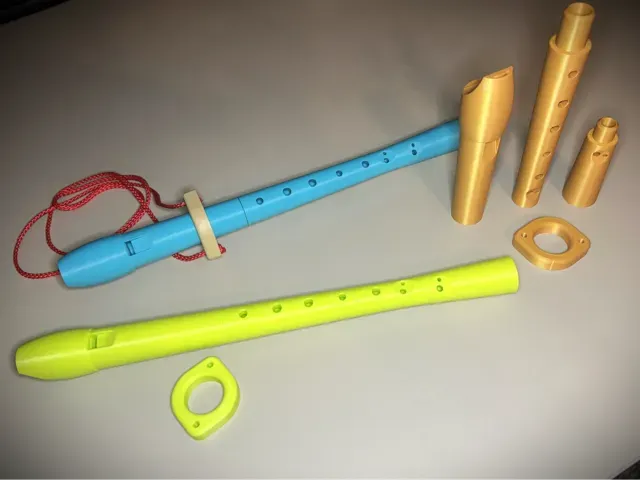
Recorder / Flute Musical Instrument
MakerWorld
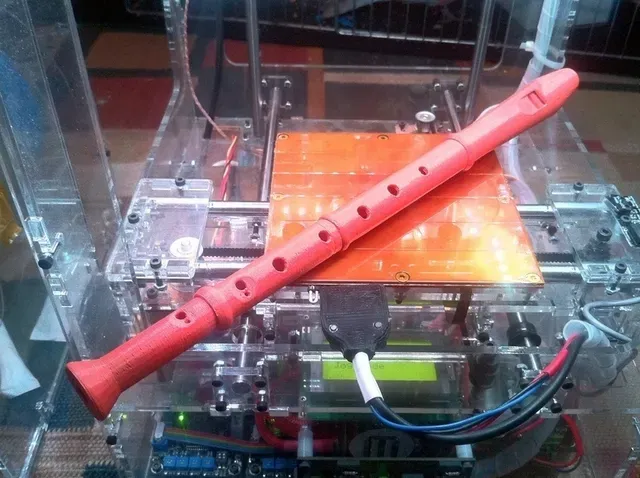
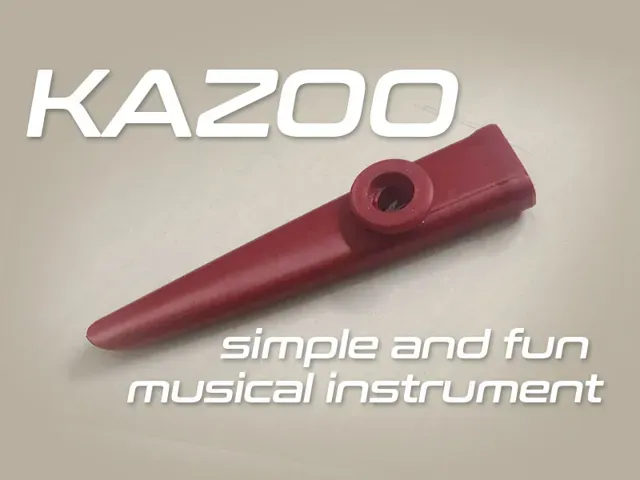
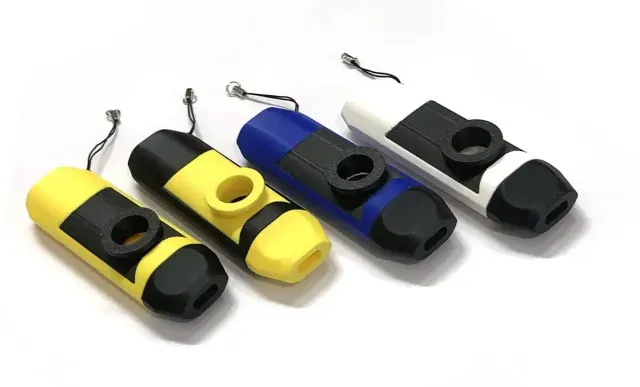
This collection gathers 3D models of musical instruments, from small ocarinas and kazoos to recorders, pan flutes and string builds. It is useful when you want a playable object rather than a decorative one, and it shows how varied the shapes and tuning approaches are. Most files are meant for a desktop 3D printer, so wall thickness and internal channels matter as much as the outer form. Polyzon does not confirm whether models are free, their price, license, official status, affiliation, safety or fitness. Check the current terms at the source.
本合集的文字为英文,搜索本身支持任何语言。
 Polyzon合集 · 47个模型 来自9个平台
此合集由Polyzon根据已接入平台的搜索结果整理而成:去除重复项和没有预览图的模型,匹配度低的排在最后,其余按搜索结果顺序排列。模型归作者所有——请在各模型页面查看使用条款。
筛选规则:Polyzon编辑部 · 文字更新于2026年10月13日
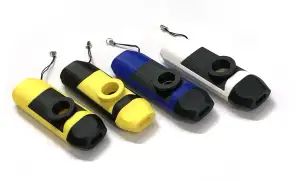

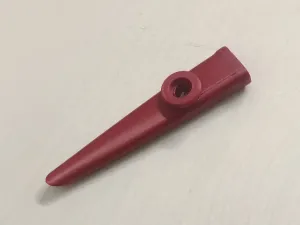
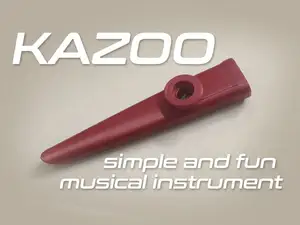
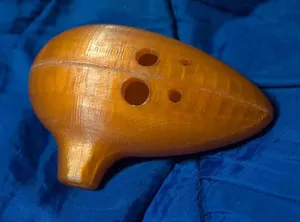
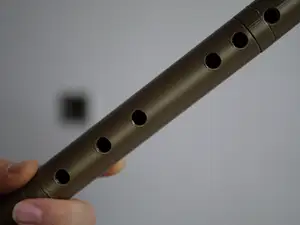


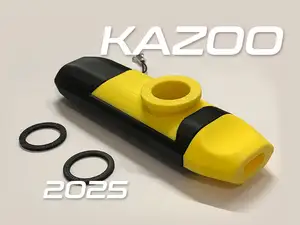

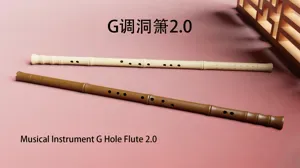

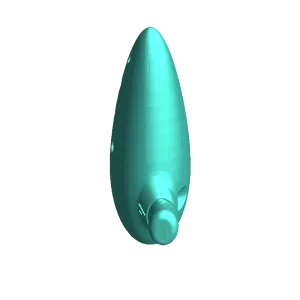
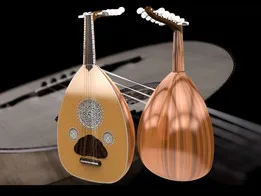

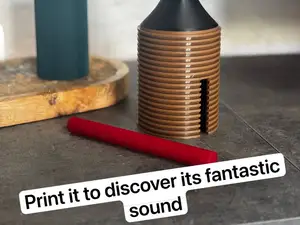

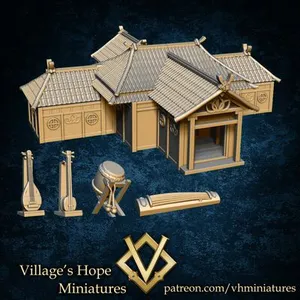


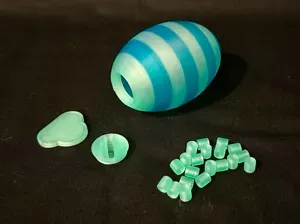
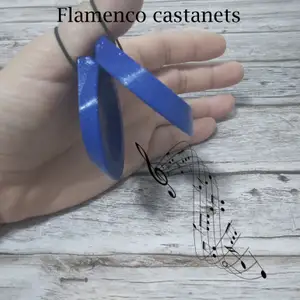
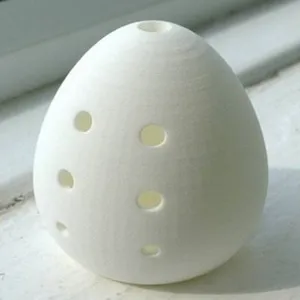


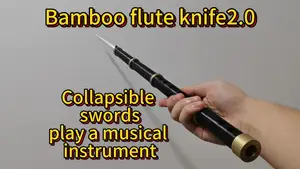


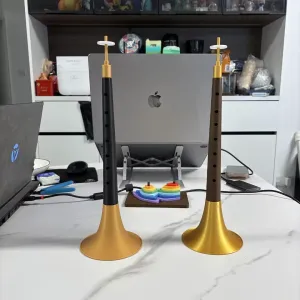
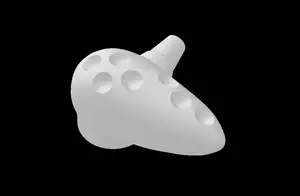


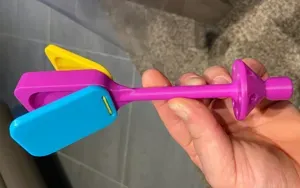
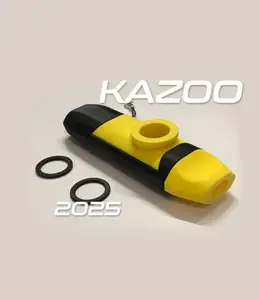
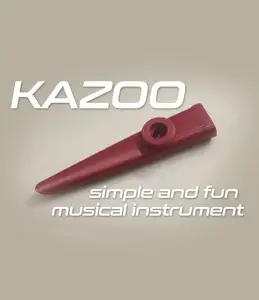

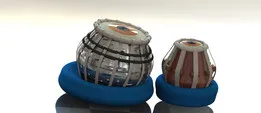
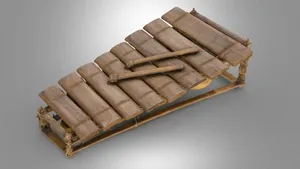
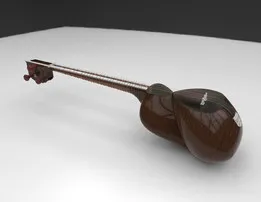
The range splits into a few groups. Vessel flutes such as ocarinas and Chinese xun are compact, often with a fixed number of finger holes. Tubular instruments — recorders, transverse flutes, quenas and pan flutes — are longer and depend on a clean bore. Kazoos and whistles are the simplest to make, while string instruments and their fittings involve more parts and assembly.
When choosing a model, read the author's page for the key details: overall size and scale, how many parts are printed separately, whether supports are needed, and which material and settings the author lists. For anything that makes sound, the internal airway and hole edges decide the result, so a finer layer height and a well-calibrated printer usually help more than a different filament colour. Photos of real prints show how the model behaves in practice.
To widen the search, try synonyms and related terms: flute, recorder, whistle, ocarina, pan pipes, wind instrument, mouthpiece, tuning, or the name of a specific tradition such as Andean quena or Chinese dong xiao. Searching for instrument parts, stands or cases can also help if you are building or storing a printed piece.


完整的主题目录:从家居日用到CNC,均可在已接入的来源平台中搜索。