
免费 
Bisel 2 DIN Universal
Thingiverse
This collection gathers several unrelated groups of models that share a similar spelling: kitchen slicers, oversized figures, keychains and small holders. It is useful when you are looking for a printable part by a rough name and want to see which directions the results actually go. Every entry is a 3D printing file you can open in a slicer and scale to your own needs. Polyzon does not confirm whether models are free, their price, license, official status, affiliation, safety or fitness. Check the current terms at the source.
本合集的文字为英文,搜索本身支持任何语言。
 Polyzon合集 · 47个模型 来自4个平台
此合集由Polyzon根据已接入平台的搜索结果整理而成:去除重复项和没有预览图的模型,匹配度低的排在最后,其余按搜索结果顺序排列。模型归作者所有——请在各模型页面查看使用条款。
筛选规则:Polyzon编辑部 · 文字更新于2026年10月15日
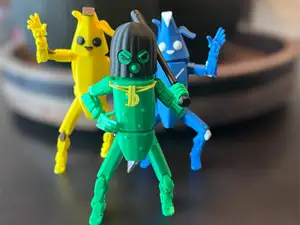


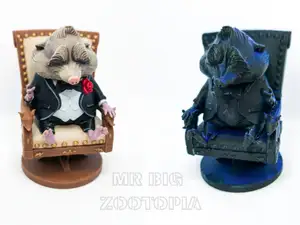


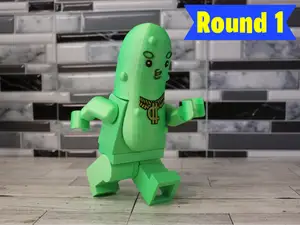

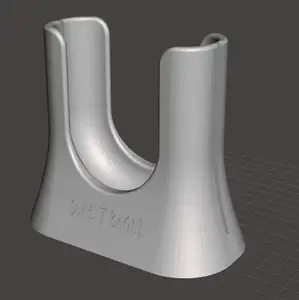
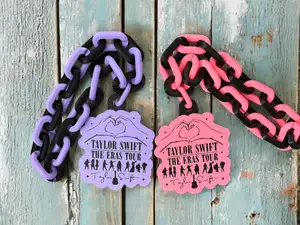

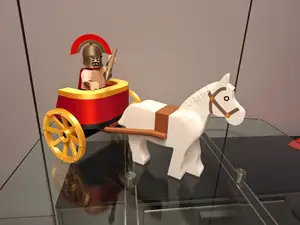


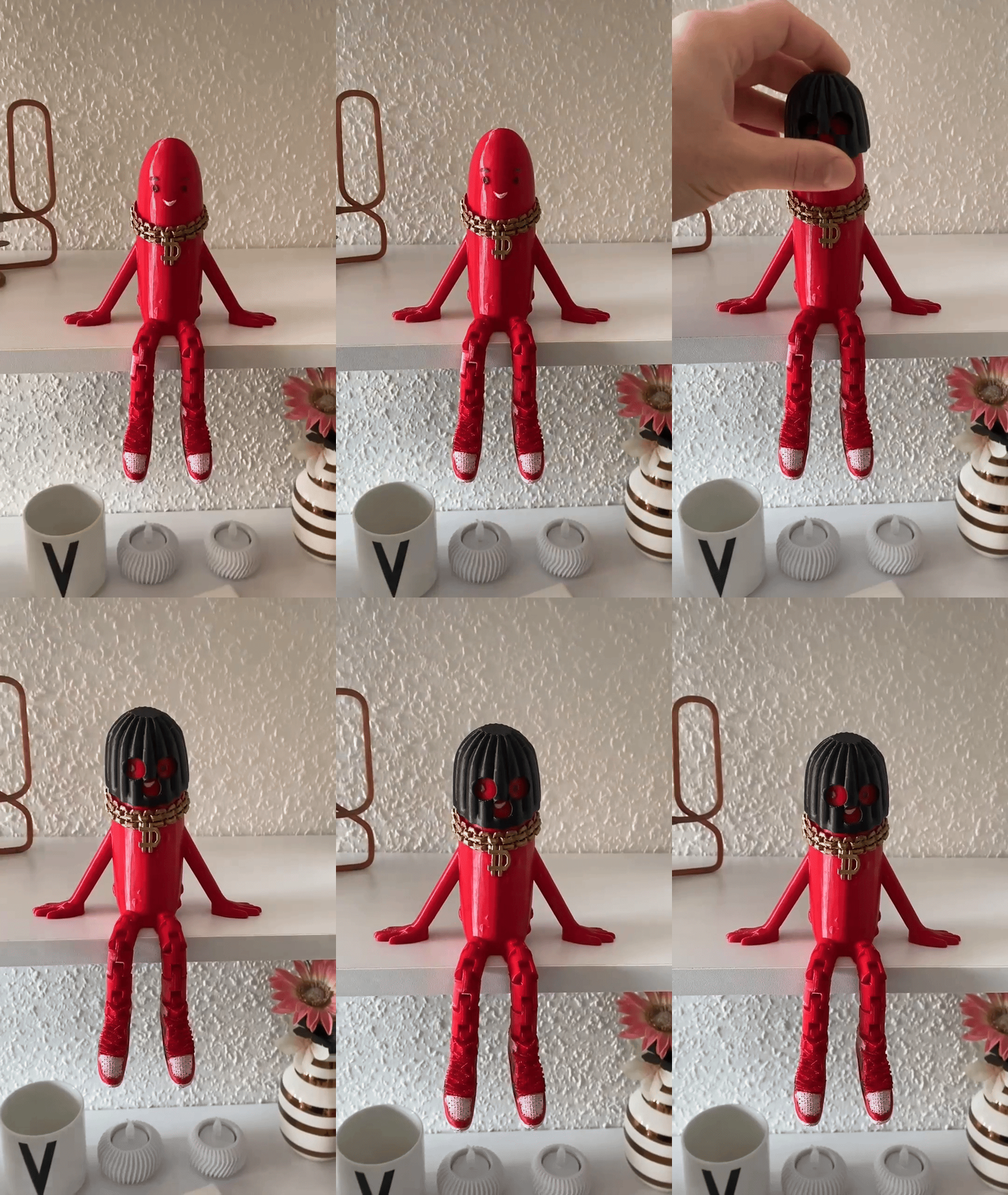




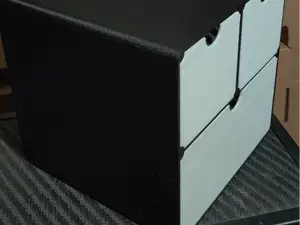

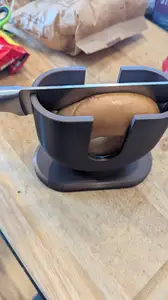
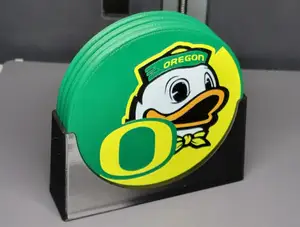

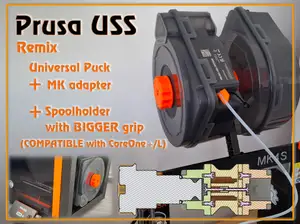



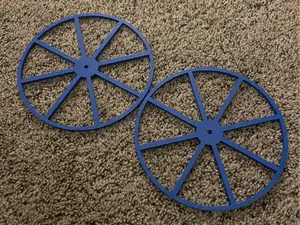


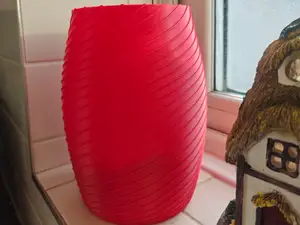


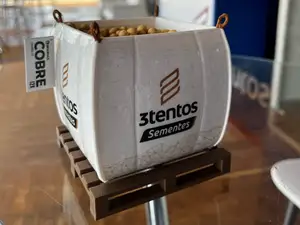


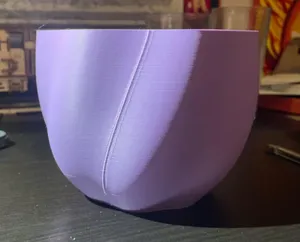




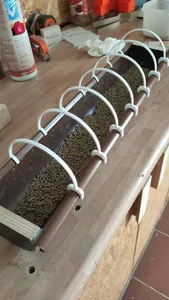
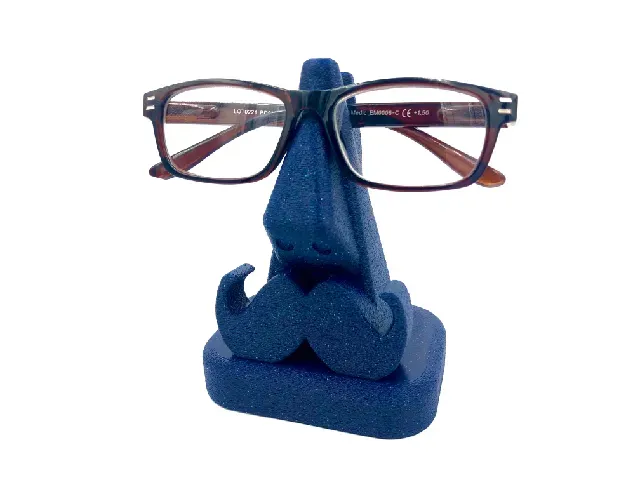
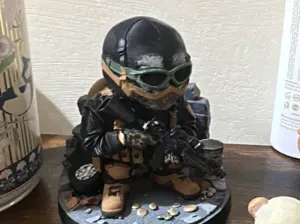
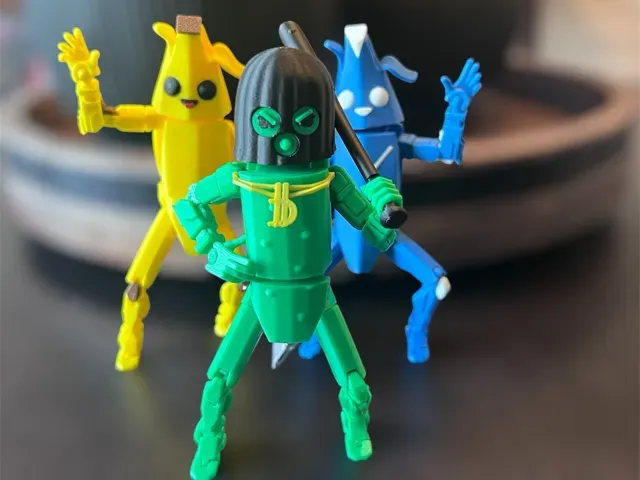
The strongest group is kitchen cutting aids: slicers and similar helpers built around a blade slot and a guide for the item being cut. A second group is oversized figures and articulated toys, often described as megafigs and split into many parts because of their size. Smaller items include name keychains, glasses holders and similar desk accessories, plus display bases and tabletop objective markers for painted miniatures.
When choosing a model, open the author's page and read the listed dimensions, part count and assembly notes before slicing. For cutting tools, check the blade slot width, wall thickness and which filament the author used, since food-contact parts are usually printed in a specific material. For large figures, compare the stated scale with your build volume and look at photos of real prints to judge how the parts join.
Refining the search helps more than scrolling: try alternate spellings of the same word, then add a function word such as slicer, keychain, holder, base or marker. Related terms like articulated figure, megafig, name plate or chassis protector lead to neighbouring results. If a term returns a mix of topics, narrow it with a material, a size word or the type of object you want.
For tabletop items, the useful details are base diameter, slot depth and whether the piece is meant to be painted or used as-is. Mechanical parts such as adapters, mounts and protective pads are usually described by the device they fit, so check the listed dimensions against your own hardware. In all cases, the author's notes and print photos tell you more than the title alone.
完整的主题目录:从家居日用到CNC,均可在已接入的来源平台中搜索。