
免费 
1/4 Wave Ground Plane Antenna Mk III
Thingiverse
This collection gathers 3D-printable parts for 144 MHz antennas, from beam and ground-plane designs to insulators, boom clamps and feed-point brackets. Most entries are small mechanical pieces that hold metal elements in place, so a 3D printer covers the non-conductive and mounting side of the build. It is a practical starting point if you are assembling a 2 m band antenna and want to print the parts around the wire and tubing. Polyzon does not confirm whether models are free, their price, license, official status, affiliation, safety or fitness. Check the current terms at the source.
本合集的文字为英文,搜索本身支持任何语言。
 Polyzon合集 · 47个模型 来自3个平台
此合集由Polyzon根据已接入平台的搜索结果整理而成:去除重复项和没有预览图的模型,匹配度低的排在最后,其余按搜索结果顺序排列。模型归作者所有——请在各模型页面查看使用条款。
筛选规则:Polyzon编辑部 · 文字更新于2026年10月15日

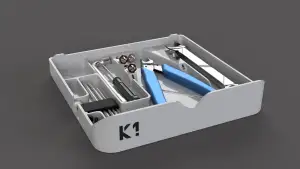
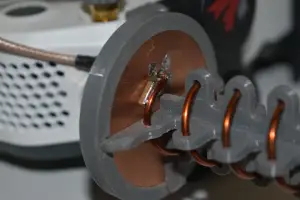

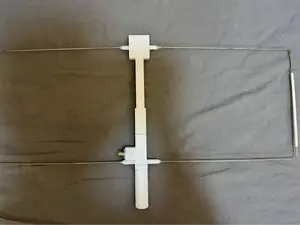
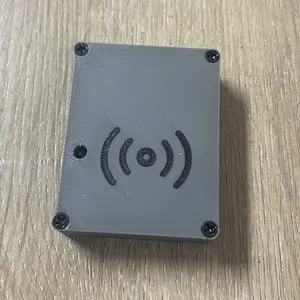

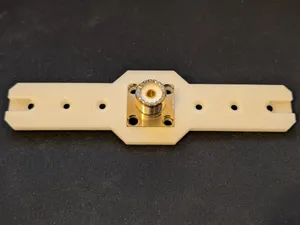


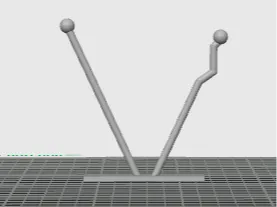
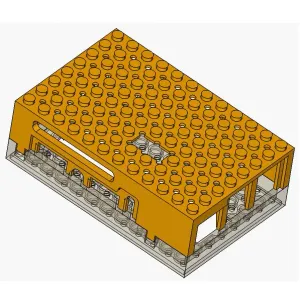

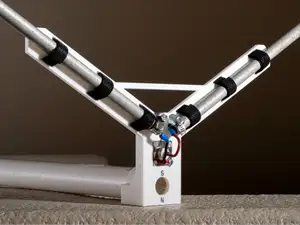
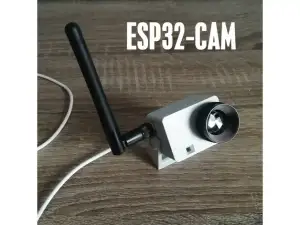

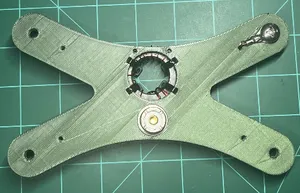
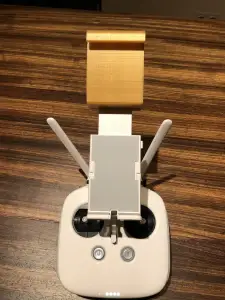

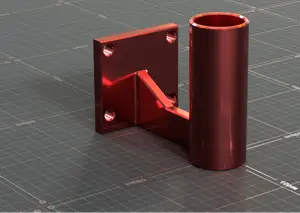
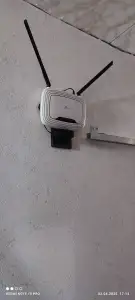

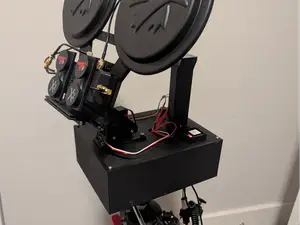
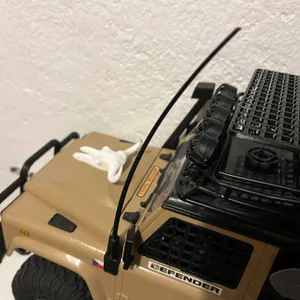

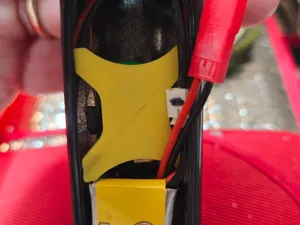
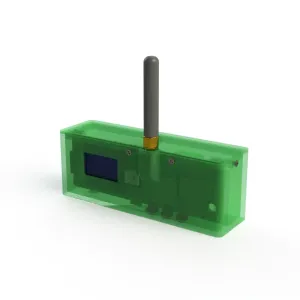

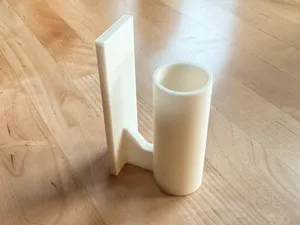

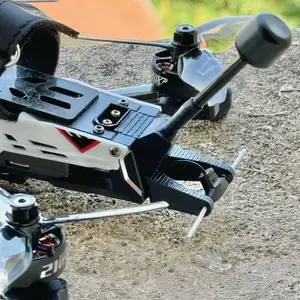
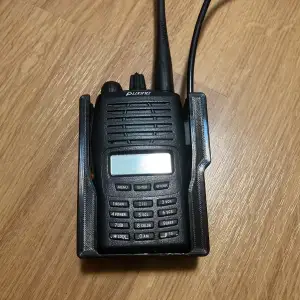

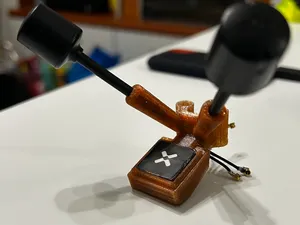
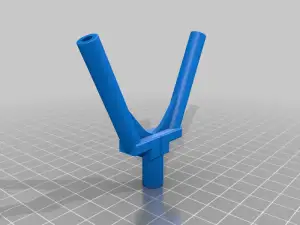

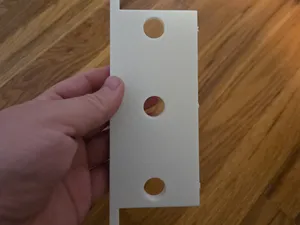
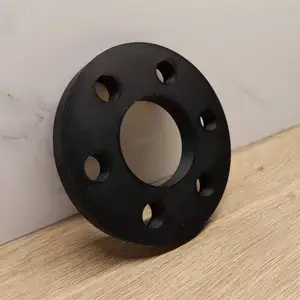

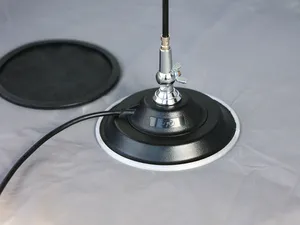
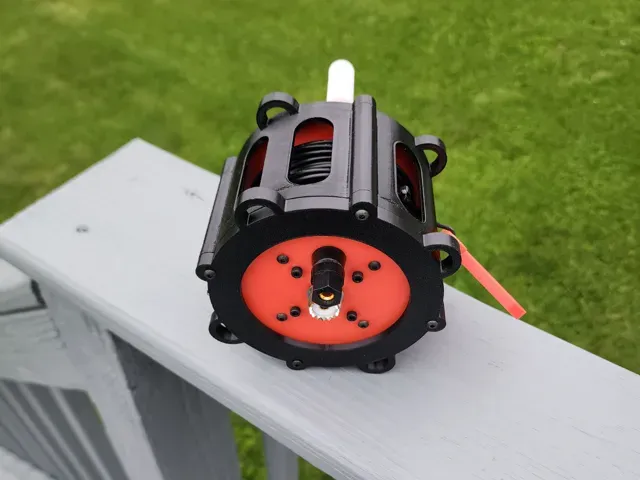
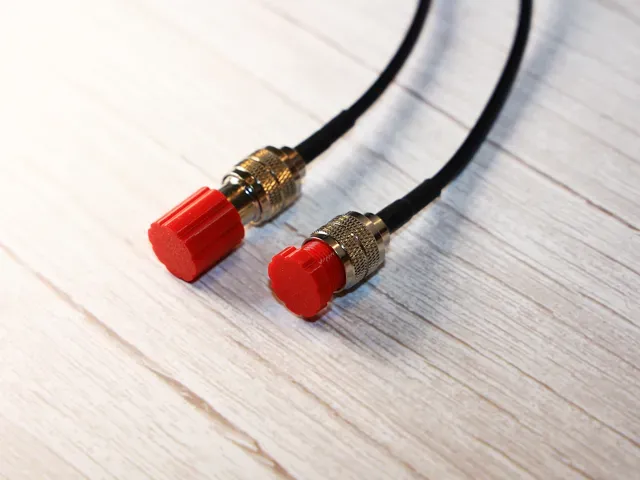
The designs fall into a few groups. Directional beams such as Yagi, Moxon and quad antennas use printed element holders and boom clamps to keep spacing consistent. Omnidirectional and ground-plane antennas rely on printed bases, radials supports and mast adapters, while dipoles and wire antennas often need only a center insulator or a feed-point block. Some entries are pure accessories: connector caps, insulators and small mounting brackets.
When choosing a model, read the dimensions first. Element length, spacing and boom diameter decide whether the printed part matches the tubing you already have, and the author's page usually states the frequency range and the hardware it was drawn around. Check how many separate parts the build needs, whether supports are required, and which material and print settings the author lists. Photos of real prints are the most useful signal, since thin walls and threads are where a print tends to differ from the render.
To widen the search, try the other names for the same band: 2 m, VHF, 145 MHz, amateur radio or ham radio. Related terms help too, such as boom, element, insulator, feed point, mast mount, radome and connector cap, since many parts are listed by function rather than by frequency. If you are adapting a design for another band, search for the mechanical part instead of the antenna type and scale the dimensions yourself.
完整的主题目录:从家居日用到CNC,均可在已接入的来源平台中搜索。