免费 
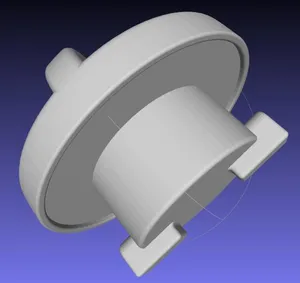
Vacuum Sucker for Drilling - Karcher Shop Vac 35 mm OD
Thingiverse
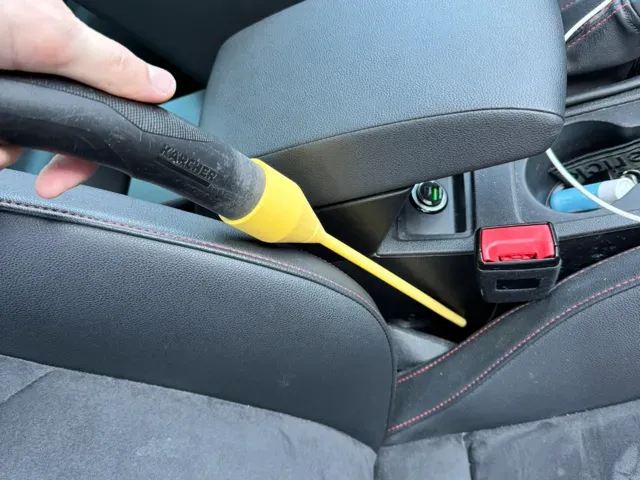
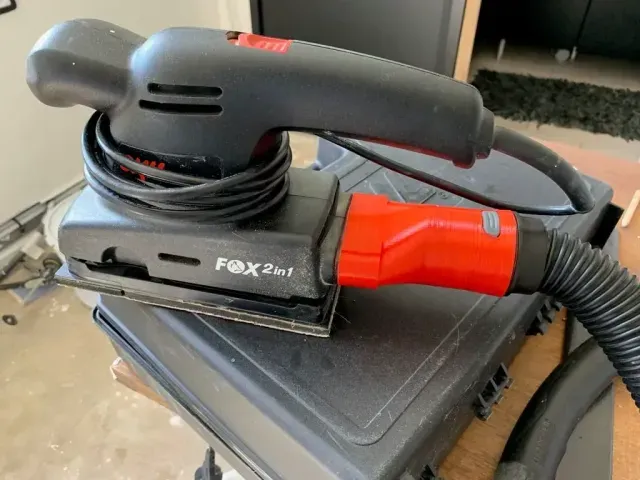
This collection gathers 3D-printable parts built around Karcher-style vacuum extractors: drill dust nozzles, narrow cleaning tools, hose adapters and repair pieces. Most of them exist because a stock attachment does not reach a specific spot or a hose from another machine does not match. For anyone doing 3D printing at a workbench, that makes the collection a source of small, practical fixes rather than display pieces. Polyzon does not confirm whether models are free, their price, license, official status, affiliation, safety or fitness. Check the current terms at the source.
本合集的文字为英文,搜索本身支持任何语言。
 Polyzon合集 · 48个模型 来自4个平台
此合集由Polyzon根据已接入平台的搜索结果整理而成:去除重复项和没有预览图的模型,匹配度低的排在最后,其余按搜索结果顺序排列。模型归作者所有——请在各模型页面查看使用条款。
筛选规则:Polyzon编辑部 · 文字更新于2026年10月15日


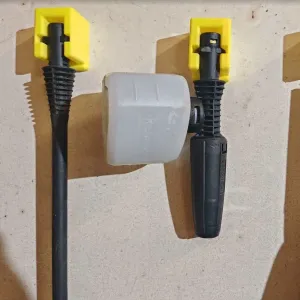

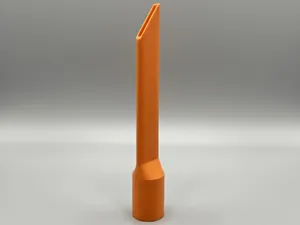
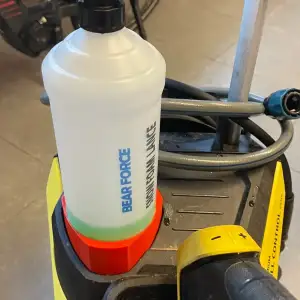

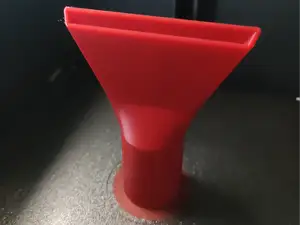
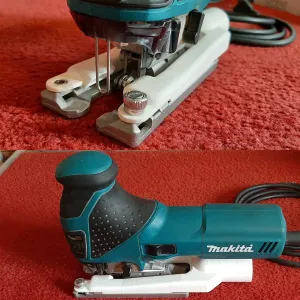

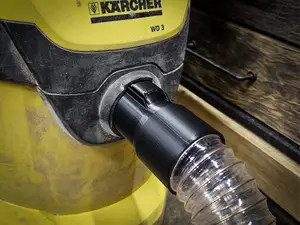
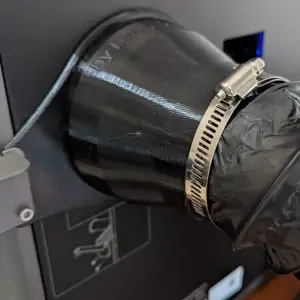

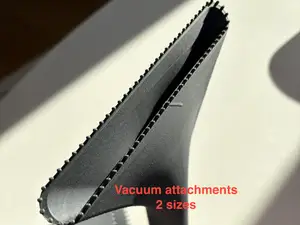
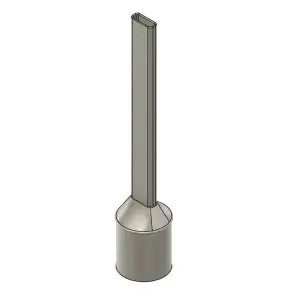

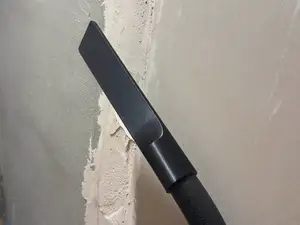
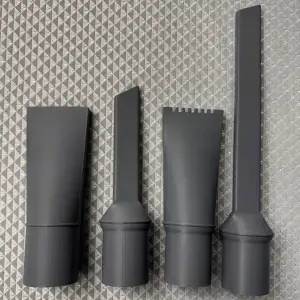

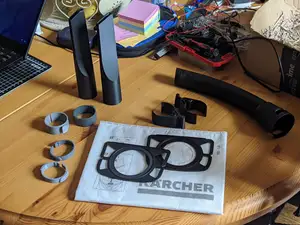
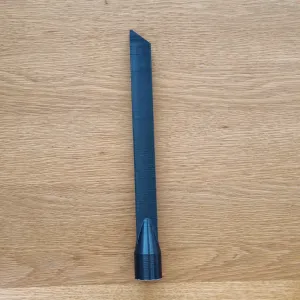

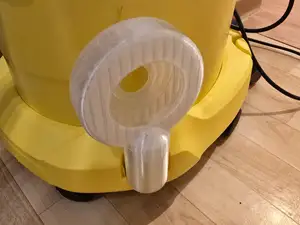

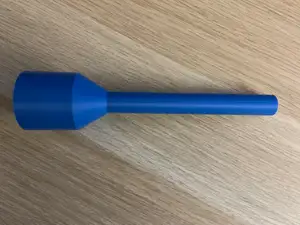
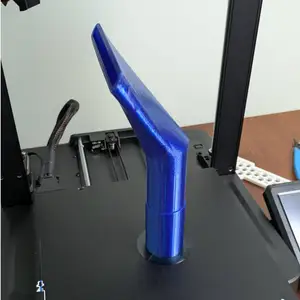

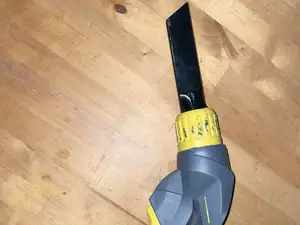
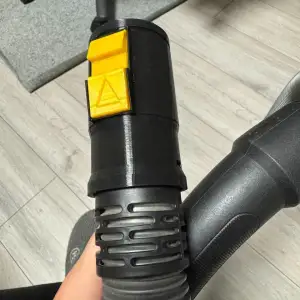

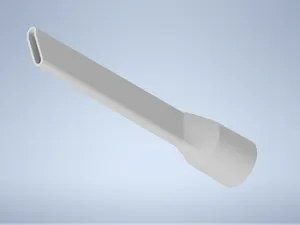
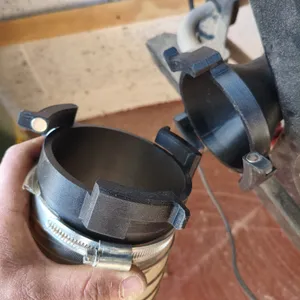

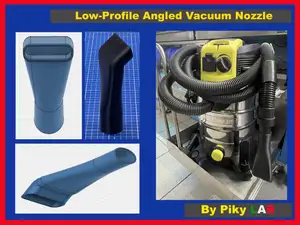
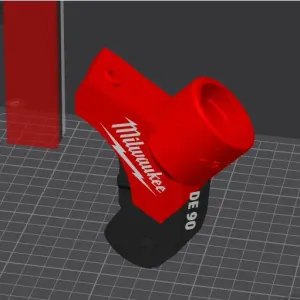

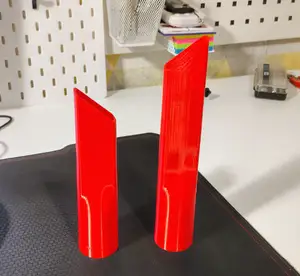
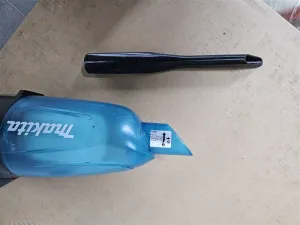

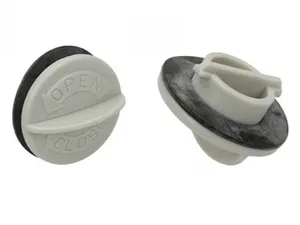
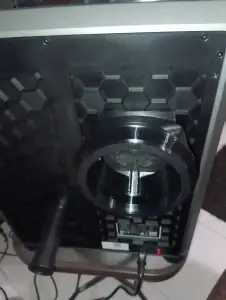

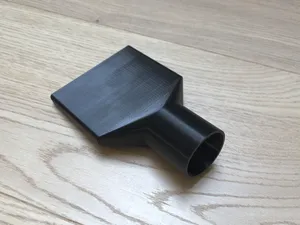
The models fall into a few groups. Drill dust collectors sit around the bit and pull debris into the hose, while narrow and crevice nozzles are shaped for gaps, car interiors and machine housings. Adapters and couplings connect hoses of different diameters or join a vacuum to a cyclone, and a smaller group covers pressure washer holders, foam lance trays and replacement handles or hose ends.
Before printing, measure the parts you already have: the outer diameter of the hose, the inner diameter of the tool opening and the wall thickness the model expects. Check the author's page for the number of parts, whether supports are needed and how the piece is oriented on the plate, since a nozzle printed flat behaves differently from one printed upright. Photos of real prints show how the surfaces and the joint tolerances came out, and the listed material and settings tell you what the author actually used.
Search results widen quickly if you try other wording. Shop vac, dust extractor, cyclone coupling, crevice tool and hose reducer all describe the same family of parts, and adding a diameter in millimetres usually narrows the list. Related topics such as workshop dust collection, drill guides, car interior cleaning and pressure washer accessories often surface models that a single phrase misses.
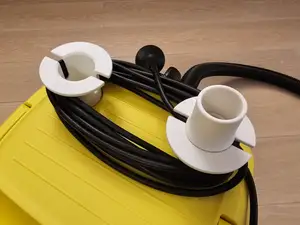

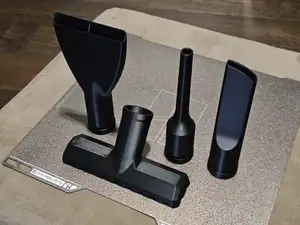


完整的主题目录:从家居日用到CNC,均可在已接入的来源平台中搜索。