
免费 
Build Tray — Modular Organizer for Assembly, Disassembly and Maintenance
Printables
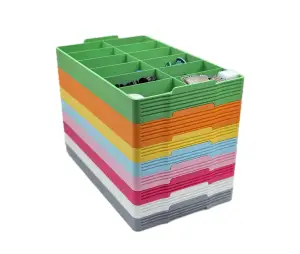
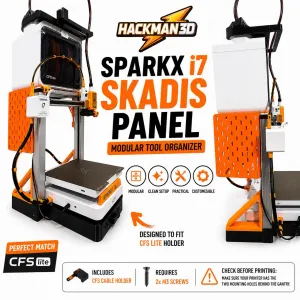
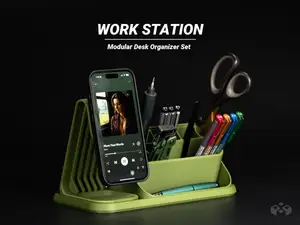
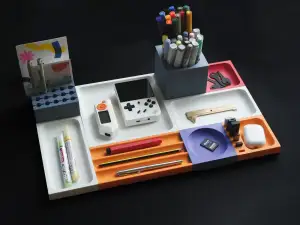
This collection gathers modular organizer 3D models: stackable drawers, boxes and capsules, desk trays, cosmetic and household dividers, and wall-mounted or expandable systems. Because the parts are designed to combine, a single 3D printing project can be extended later with more units of the same footprint. The STL files come from different authors, so dimensions and assembly methods vary from one listing to the next. Polyzon does not confirm whether models are free, their price, license, official status, affiliation, safety or fitness. Check the current terms at the source.
本合集的文字为英文,搜索本身支持任何语言。
 Polyzon合集 · 48个模型 来自6个平台
此合集由Polyzon根据已接入平台的搜索结果整理而成:去除重复项和没有预览图的模型,匹配度低的排在最后,其余按搜索结果顺序排列。模型归作者所有——请在各模型页面查看使用条款。
筛选规则:Polyzon编辑部 · 文字更新于2026年10月16日



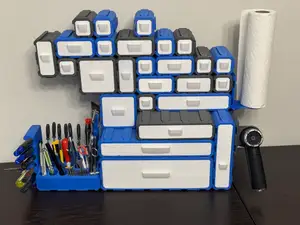
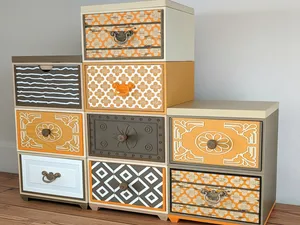
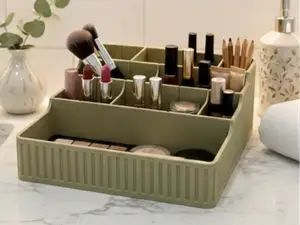

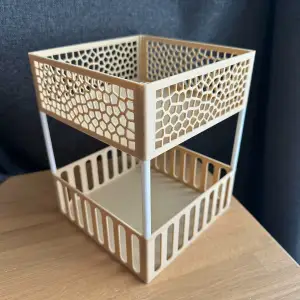
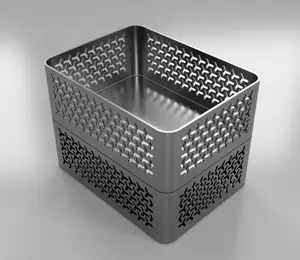

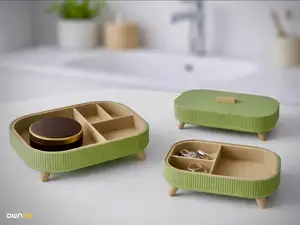

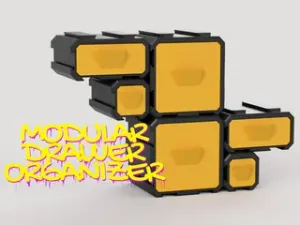
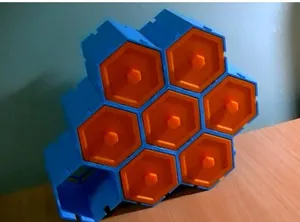

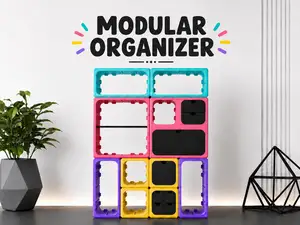

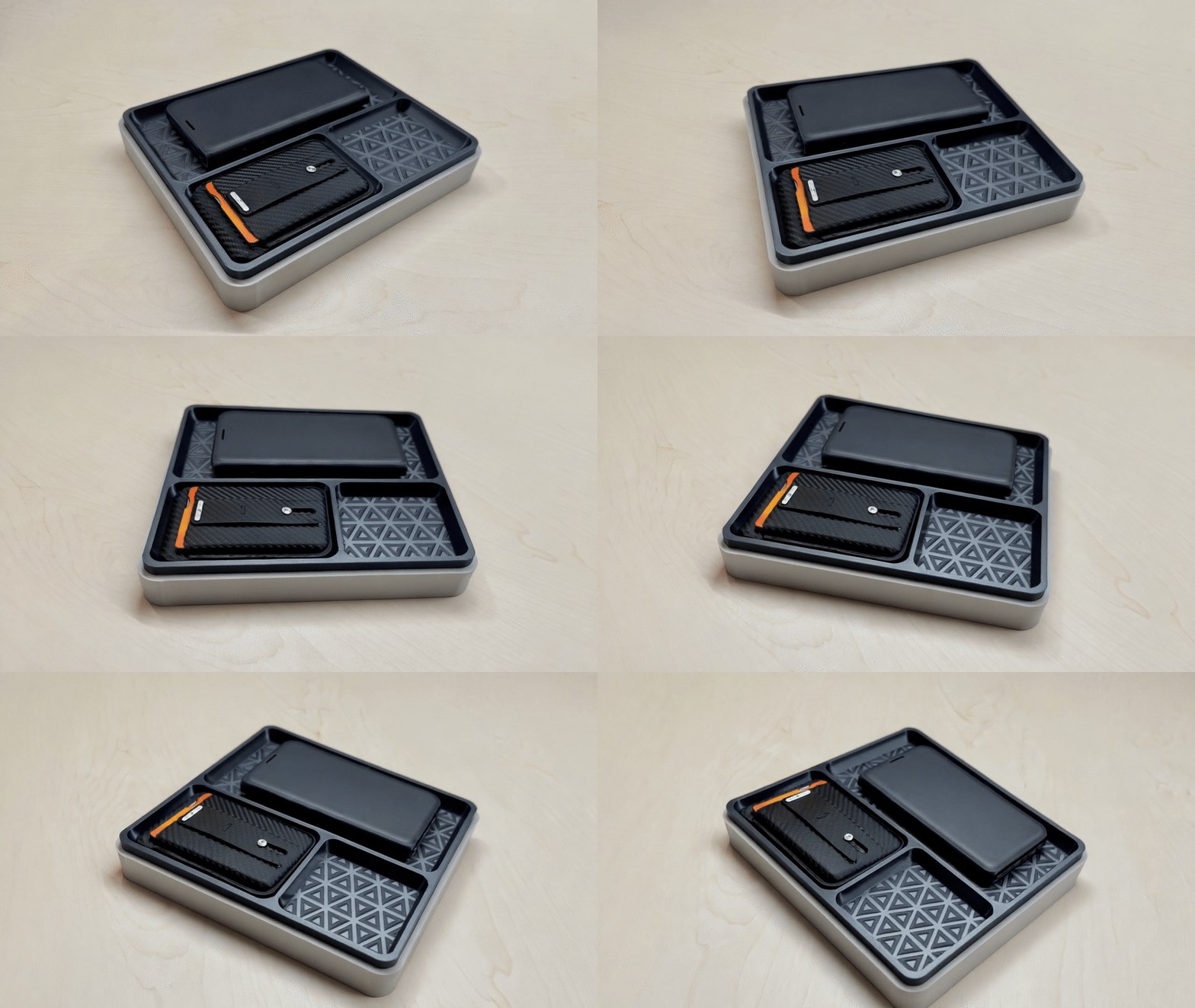
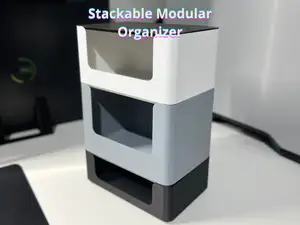
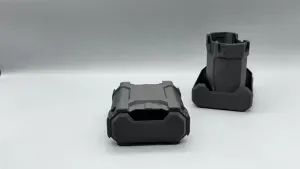
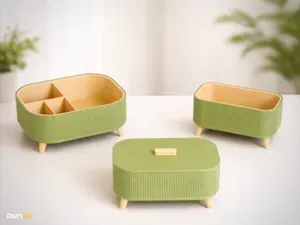

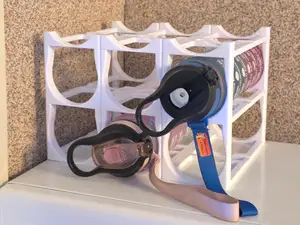
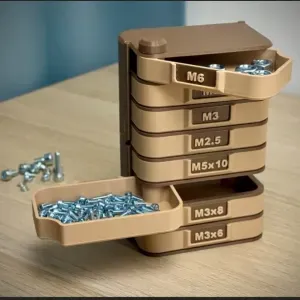

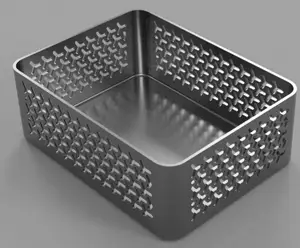


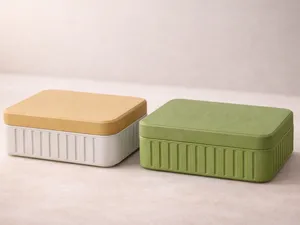

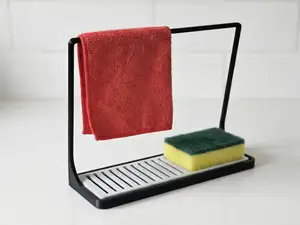

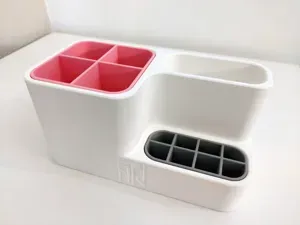
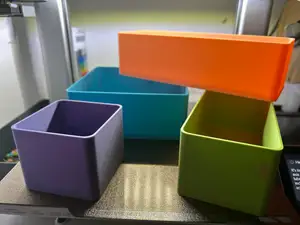

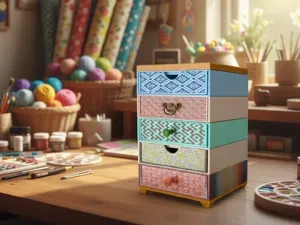

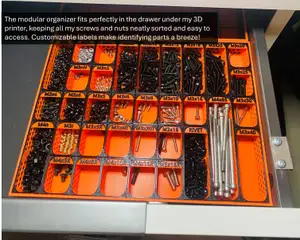

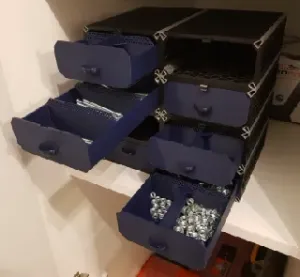
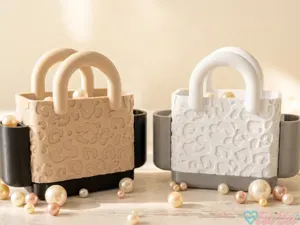

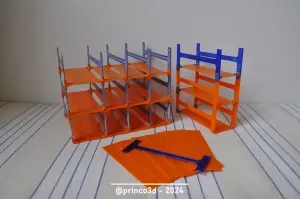
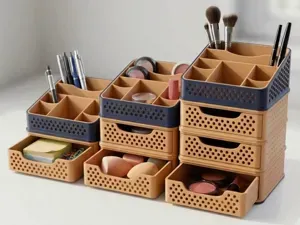
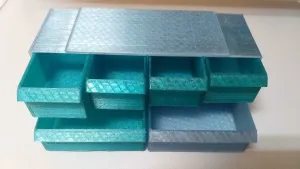
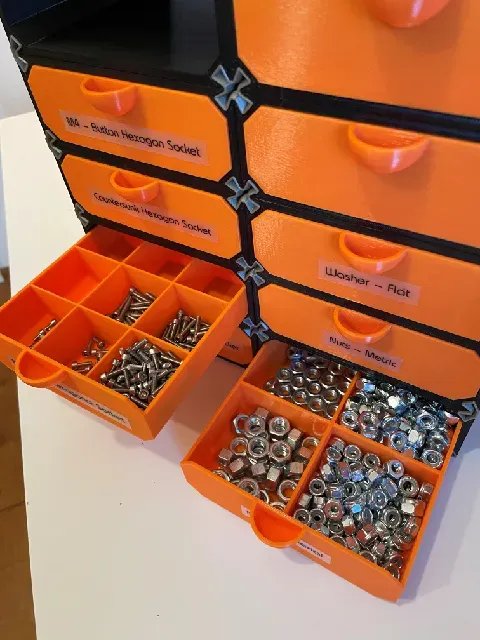
The kinds of models differ mainly in how they join and what they hold. Drawer units and stackable containers rely on a common base size so that new modules sit on top of old ones, while desk and assembly trays are usually flat, open shapes meant for small parts within reach. Cosmetic and household versions add dividers or compartments sized around specific items, and wall-mounted designs trade the footprint on a surface for a bracket or rail.
When choosing a model, look at the outer dimensions and the wall thickness first, since these decide how much space a module takes and how rigid it feels. Check how many separate parts the author lists, whether they print as one piece or need assembly, and whether supports are required for overhangs. The material and settings on the model page, along with photos of real prints, give a clearer idea of the result than the render alone.
To widen the search, try synonyms such as storage box, parts tray, drawer insert, desk caddy or stackable container, and combine them with terms like modular system or grid. Related topics include workshop storage, kitchen drawer dividers, bathroom and vanity organizers, and printer or electronics parts trays. If you already have one module, searching for the same footprint or connector style helps you find pieces that extend it.
For printing, keep in mind that tall thin walls and large flat bases behave differently across materials, and that a module printed slightly off-size may not stack cleanly with the next one. Printing a single test piece before a full set is a common way to confirm fit. Scaling a model changes both the outer size and the thickness of the joints, so it is worth checking the author's notes before adjusting anything.


完整的主题目录:从家居日用到CNC,均可在已接入的来源平台中搜索。