免费 
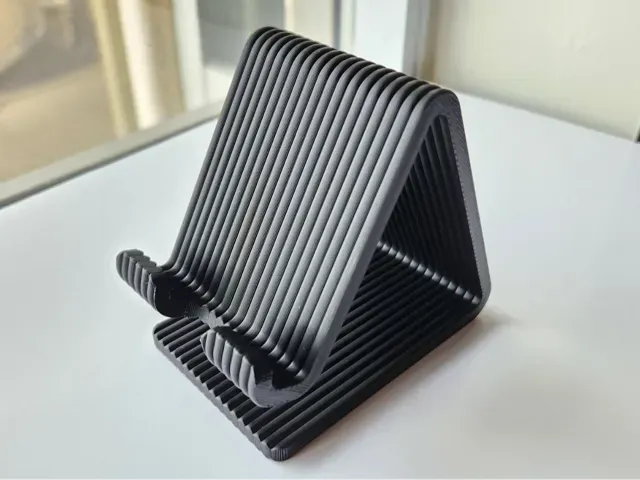
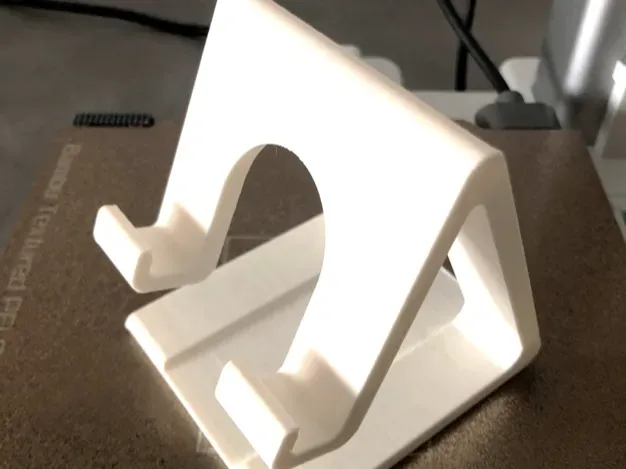
Smart Stand - A smart little stand for Smart Devices (Phones and Tablets)
Thingiverse
This collection gathers 3D models for holding a phone or tablet upright on a desk, nightstand or counter. It covers simple fixed stands, folding designs and holders shaped like objects or characters. All of them are STL files meant for 3D printing at home or through a service. Polyzon does not confirm whether models are free, their price, license, official status, affiliation, safety or fitness. Check the current terms at the source.
本合集的文字为英文,搜索本身支持任何语言。
 Polyzon合集 · 48个模型 来自4个平台
此合集由Polyzon根据已接入平台的搜索结果整理而成:去除重复项和没有预览图的模型,匹配度低的排在最后,其余按搜索结果顺序排列。模型归作者所有——请在各模型页面查看使用条款。
筛选规则:Polyzon编辑部 · 文字更新于2026年10月14日


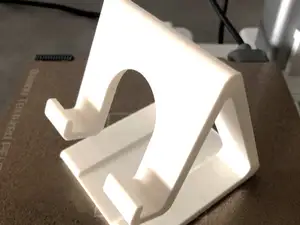
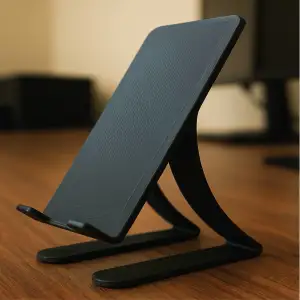


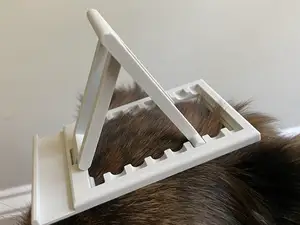
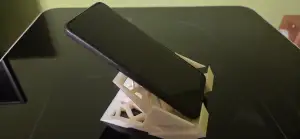


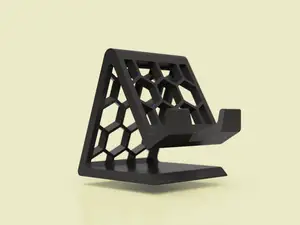
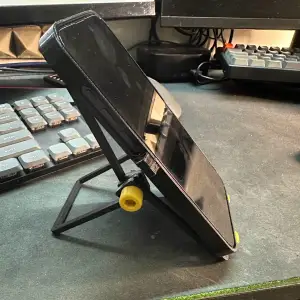


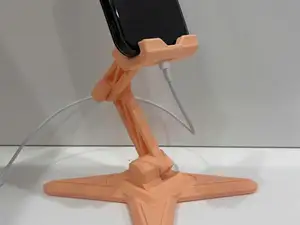
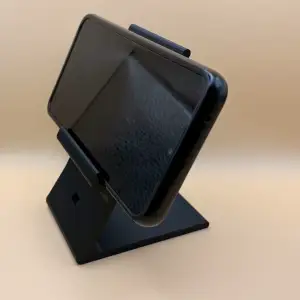


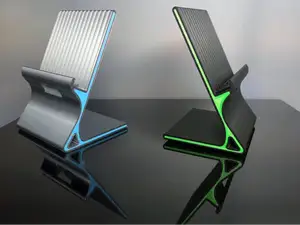
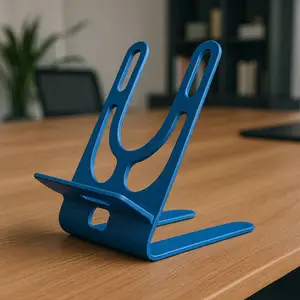


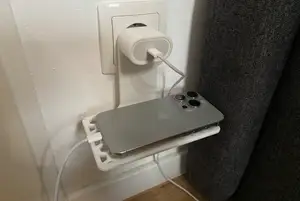
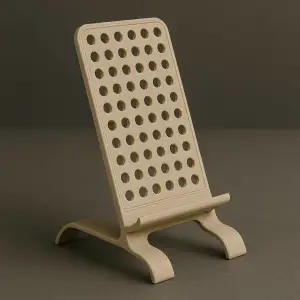


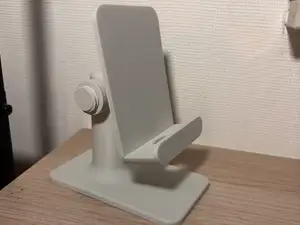
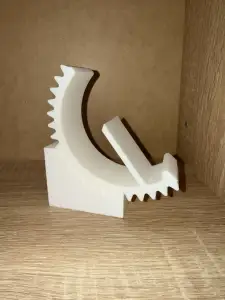


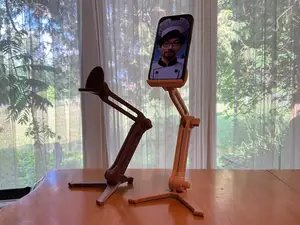
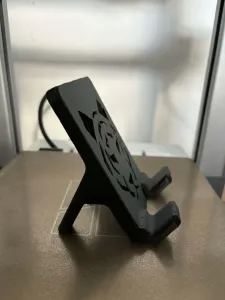


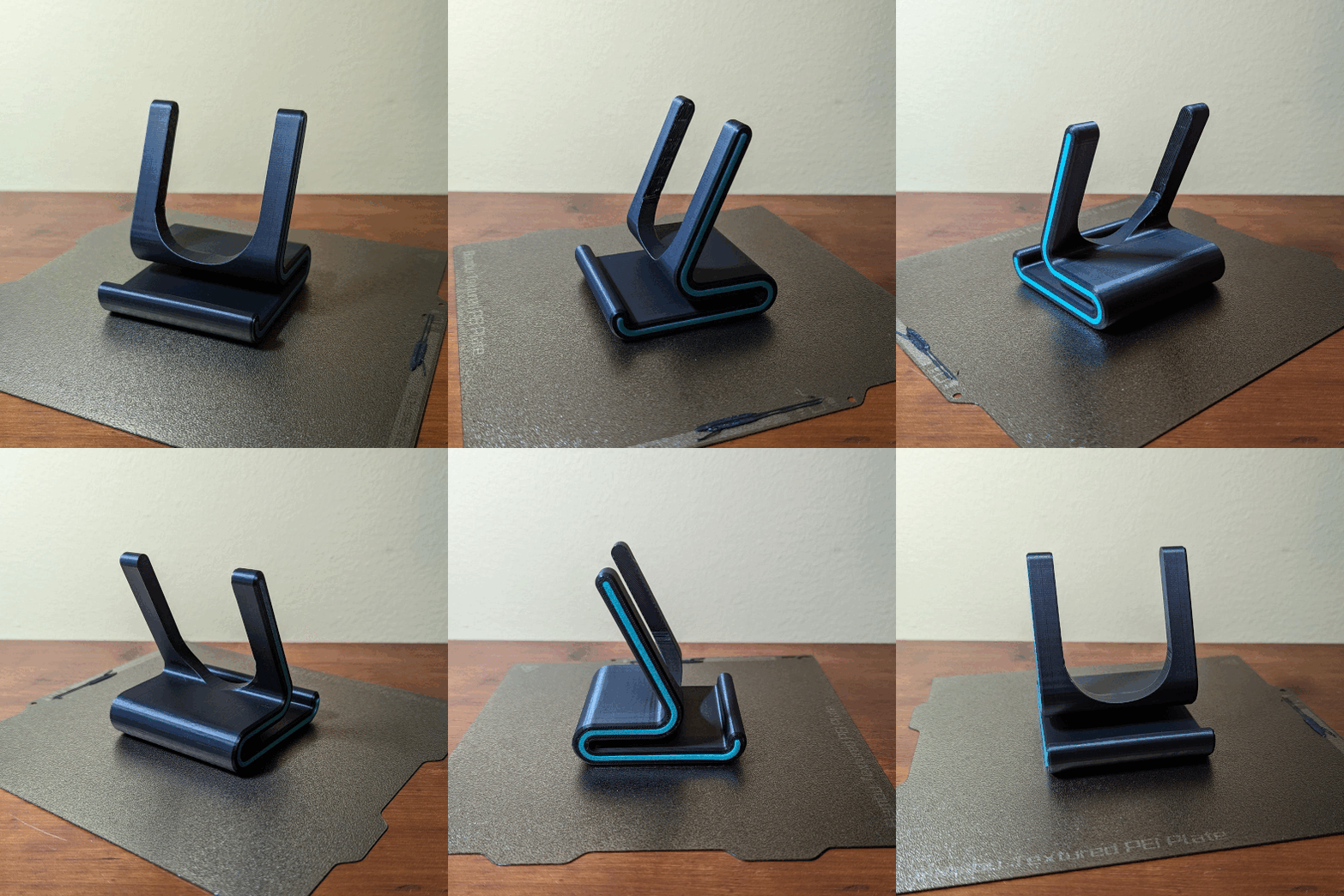





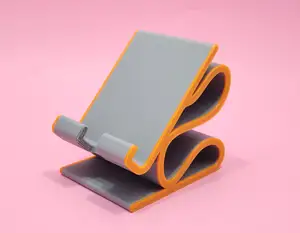
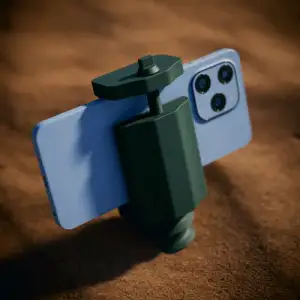
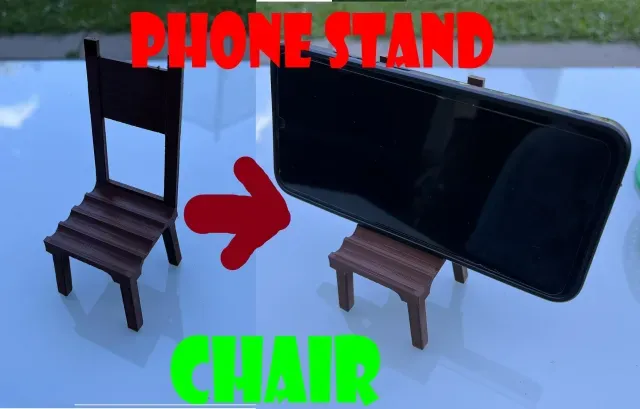
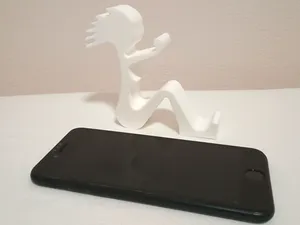
The models differ mainly in how the device sits in them. Fixed stands hold the phone at one angle and are usually a single piece, while adjustable versions use a hinge, a sliding arm or a set of notches to change the tilt. Folding and print-in-place designs arrive as one part with moving sections already in position. Some entries are sized for tablets or e-readers rather than phones, and a few are shaped as chairs, shoes or figures, where the form matters more than the angle.
Before printing, open the author's page and read the listed dimensions: the slot width, the overall height and the thickness of the base decide whether your device fits and whether the stand stays upright. Check how many parts the model has and whether they need assembly or fasteners, and look at the print settings the author lists, such as layer height, wall count and infill. Photos of real prints show how the surface and the joints came out. If the model has thin arms or a hinge, a material with some flexibility behaves differently from a stiff one.
Search results widen quickly if you use other terms for the same object: phone holder, smartphone dock, tablet stand, desk cradle, charging dock or viewing stand. Adding a use case narrows the list, for example a stand for a nightstand, a kitchen counter, a car vent or a workbench. Related topics worth trying are cable organizers, headphone hooks and wall mounts, since these often share the same mounting ideas.
The angle you need depends on the task: a shallow tilt works for reading and video calls, a steeper one for typing or drawing on a touchscreen. If the stand will sit on a smooth surface, check whether the base has feet or a recess for rubber pads, and whether the model leaves room for a charging cable. For a tablet, weight matters more than for a phone, so a wider base and a deeper slot help. Printing a small test piece first is a cheap way to confirm the fit before committing to the full model.

完整的主题目录:从家居日用到CNC,均可在已接入的来源平台中搜索。