
免费 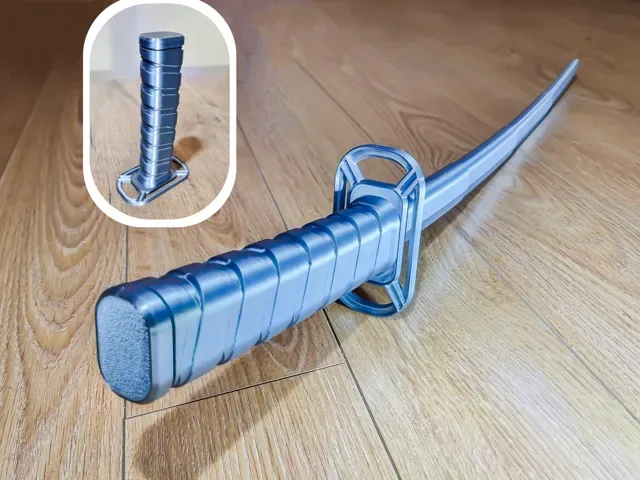
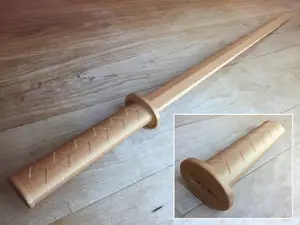
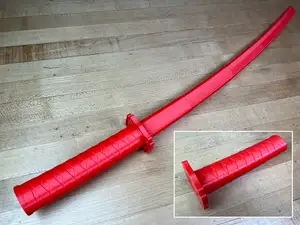
Stainless Katana Sword (Print in Place)
MakerWorld
This collection gathers models built around the idea of printing parts already assembled: hinges, clamps, joints and moving mechanisms that come off the bed in one piece. It also covers articulated figures, small machines and the accessories people keep next to a 3D printer. Useful if you want STL files that demonstrate what a well-tuned 3D printer can do with clearances and tolerances. Polyzon does not confirm whether models are free, their price, license, official status, affiliation, safety or fitness. Check the current terms at the source.
本合集的文字为英文,搜索本身支持任何语言。
 Polyzon合集 · 48个模型 来自6个平台
此合集由Polyzon根据已接入平台的搜索结果整理而成:去除重复项和没有预览图的模型,匹配度低的排在最后,其余按搜索结果顺序排列。模型归作者所有——请在各模型页面查看使用条款。
筛选规则:Polyzon编辑部 · 文字更新于2026年10月15日


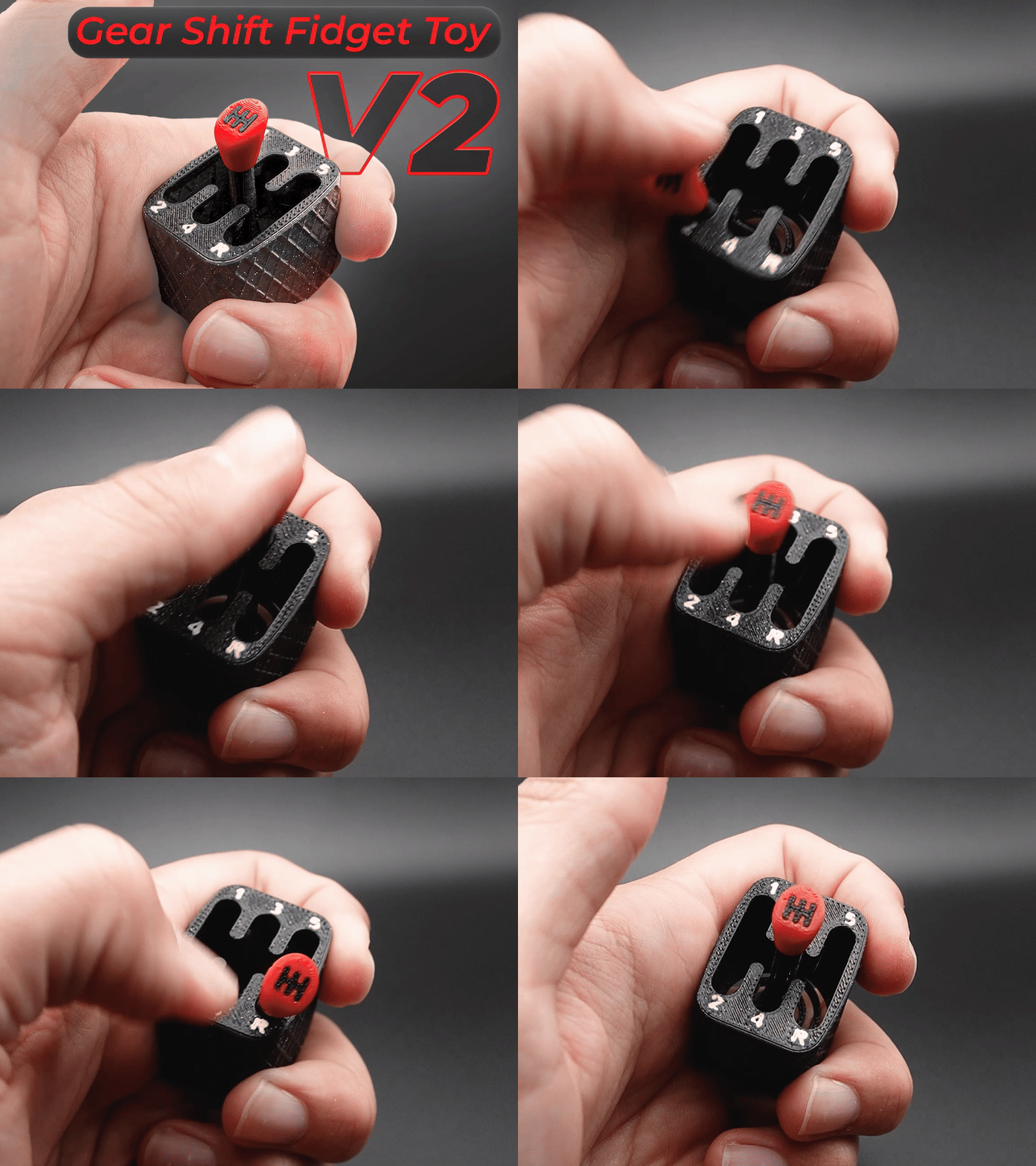






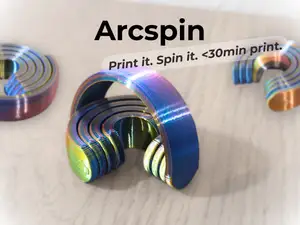

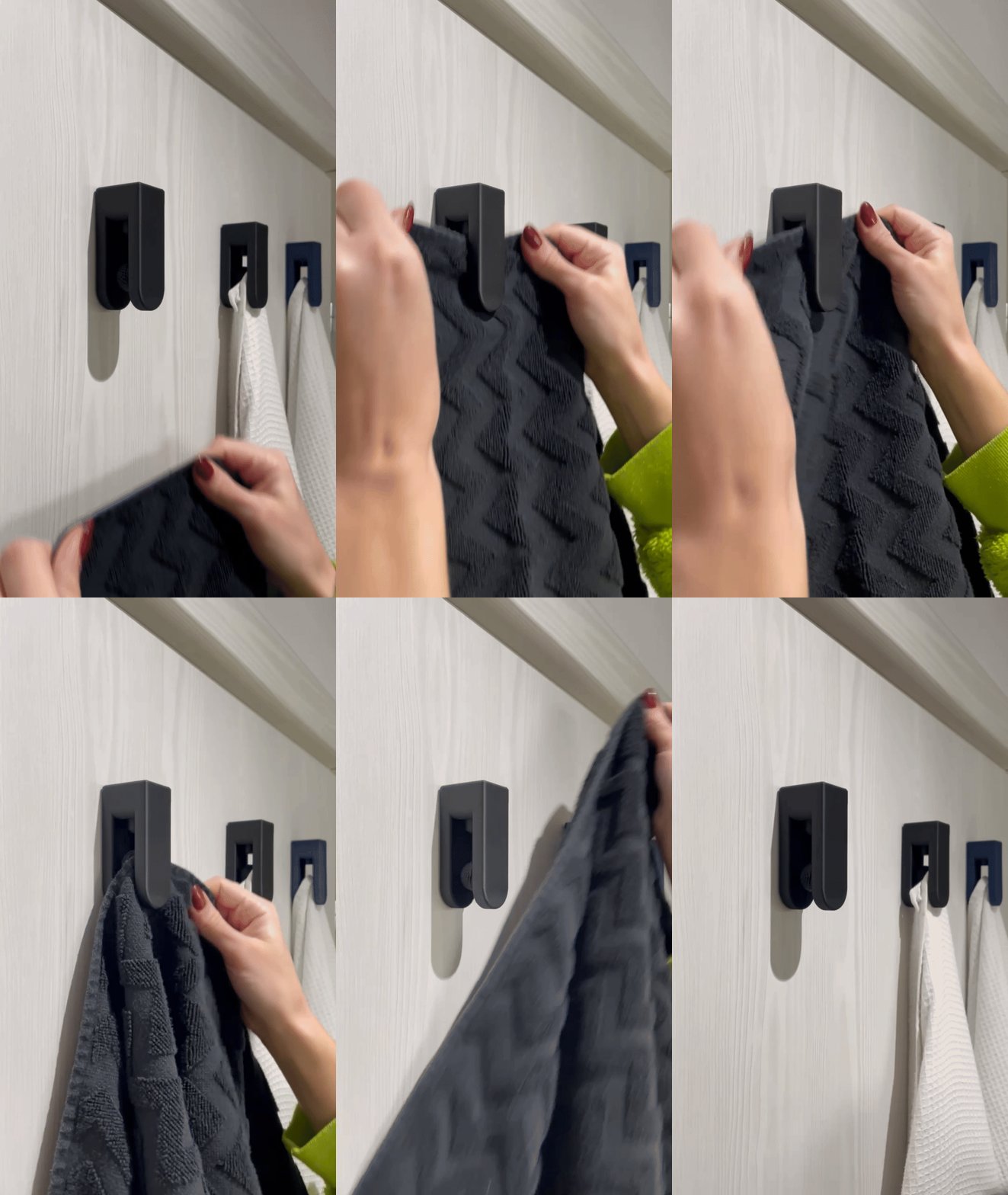


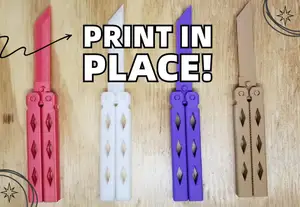

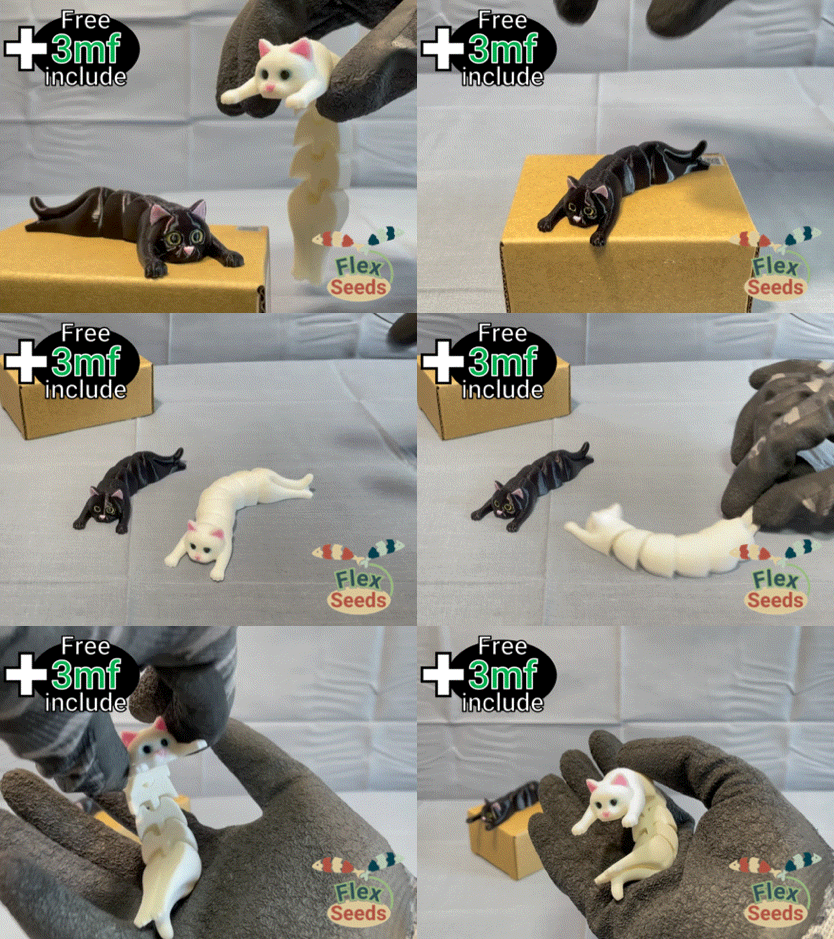

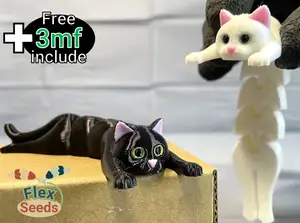


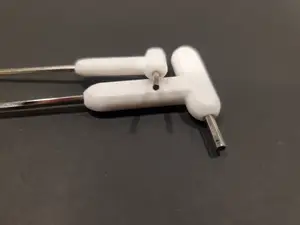

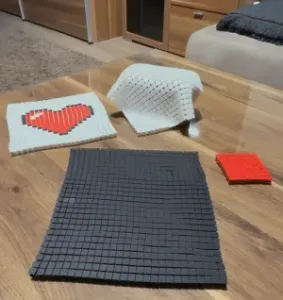
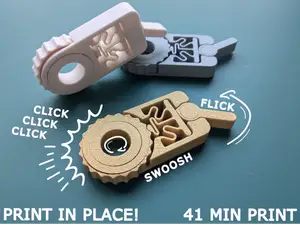
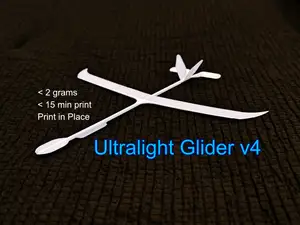


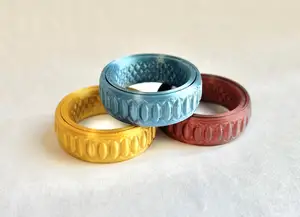
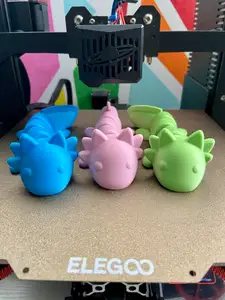
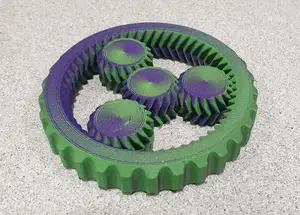



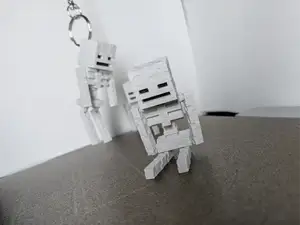
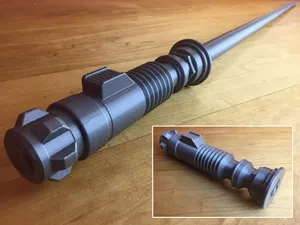
Print-in-place designs differ mainly in how much movement they contain. Some are single joints such as a clamp or a hinge, others are chains of linked segments that form a flexible figure or a small construction machine. Test and benchmark models sit in a separate group: they are printed to check clearances, bridging and surface quality rather than to be used as an object.
When choosing a model, open the author's page and read the listed dimensions, the number of parts and whether the file is a single piece or a multipart assembly. Check the recommended material and settings, the nozzle and layer height, and whether supports are mentioned. Photos of real prints show how the joints behave and where stringing or fused segments tend to appear.
To narrow the search, combine the topic with the mechanism you need: hinge, clamp, bearing, gear, chain, articulated, flexi. Related terms such as tolerance test, clearance test or calibration also lead to models in this group. If you are looking for something decorative rather than functional, switch to figure or toy queries instead.
完整的主题目录:从家居日用到CNC,均可在已接入的来源平台中搜索。