
Gratis 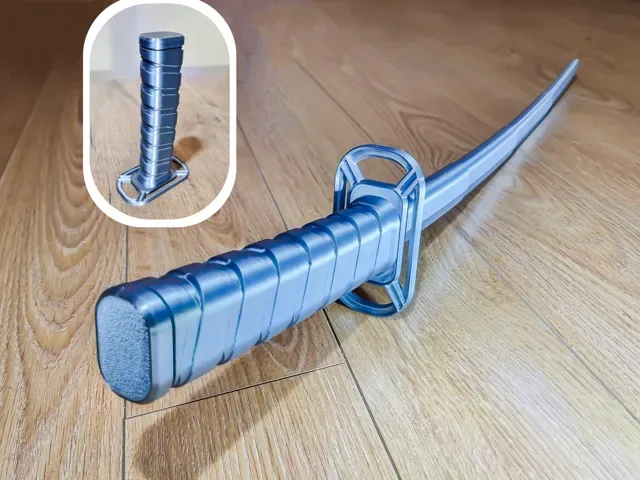
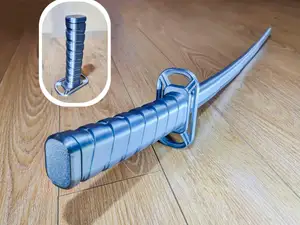
Stainless Katana Sword (Print in Place)
MakerWorld
This collection gathers models built around the idea of printing parts already assembled: hinges, clamps, joints and moving mechanisms that come off the bed in one piece. It also covers articulated figures, small machines and the accessories people keep next to a 3D printer. Useful if you want STL files that demonstrate what a well-tuned 3D printer can do with clearances and tolerances. Polyzon does not confirm whether models are free, their price, license, official status, affiliation, safety or fitness. Check the current terms at the source.
Il testo di questa raccolta è in inglese; la ricerca funziona in qualsiasi lingua.
 Una raccolta di Polyzon · 48 modelli da 6 siti
Polyzon compone questa raccolta a partire dai risultati di ricerca dei siti collegati. I doppioni e i modelli senza anteprima vengono rimossi, le corrispondenze deboli finiscono in fondo e il resto mantiene l’ordine dei risultati. I modelli appartengono ai rispettivi autori: verifica le condizioni sulla pagina di ciascun modello.
Criteri di selezione a cura della redazione di Polyzon · Testo aggiornato: 15/10/2026


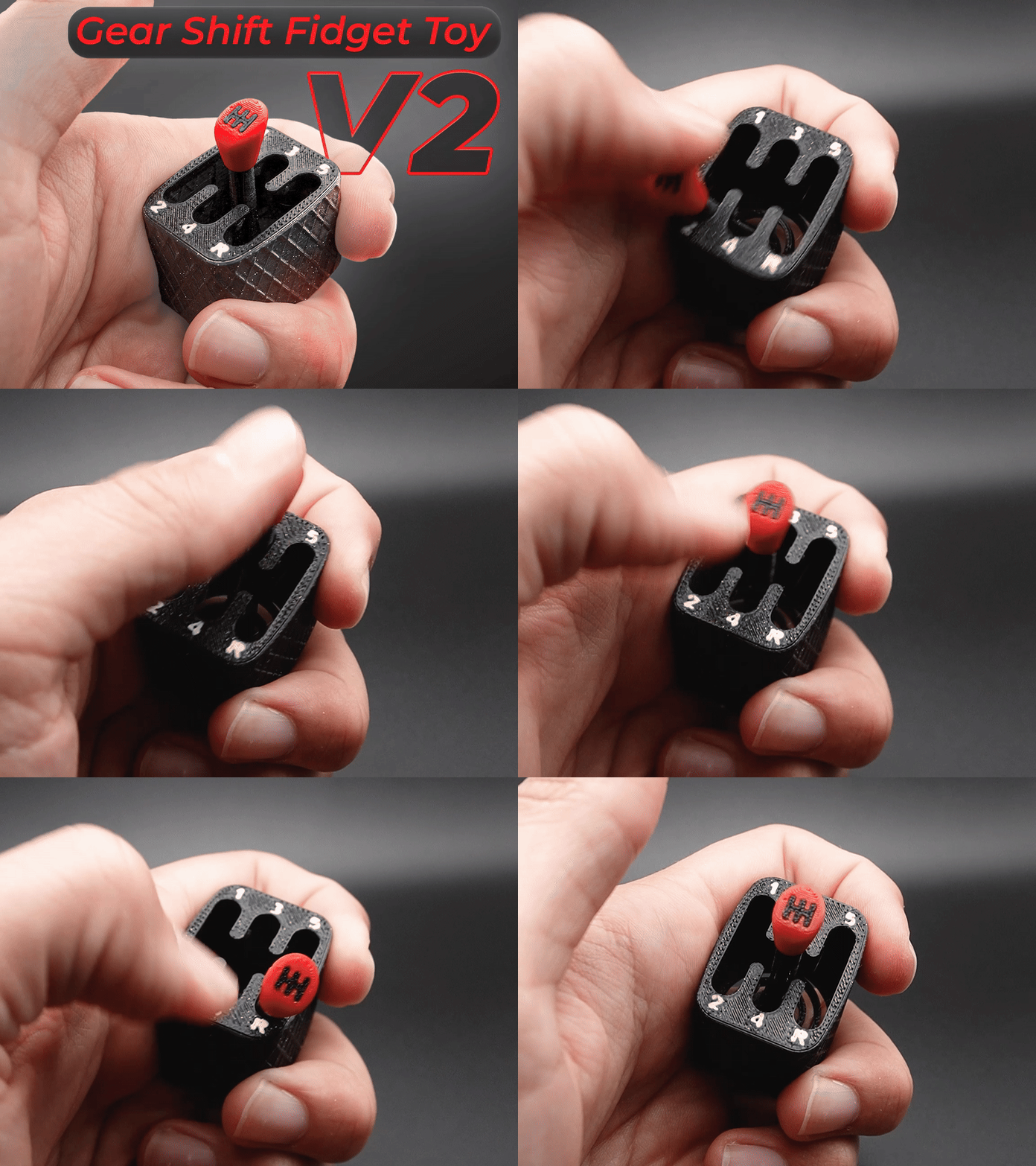
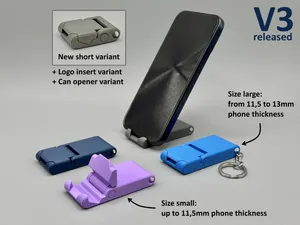
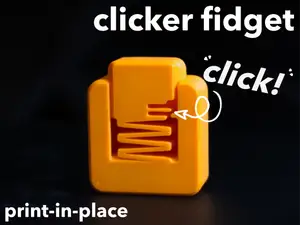


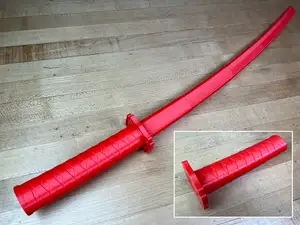
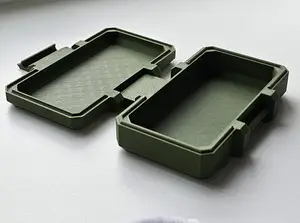

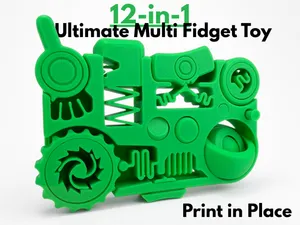
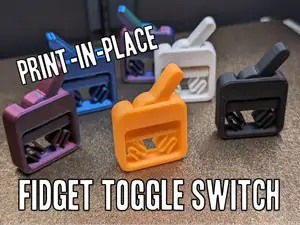

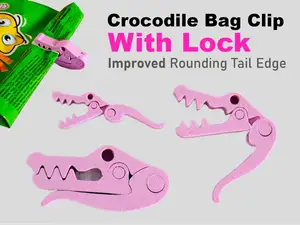

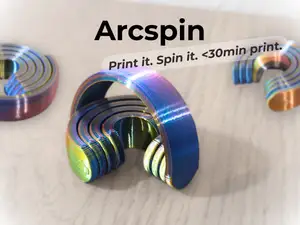

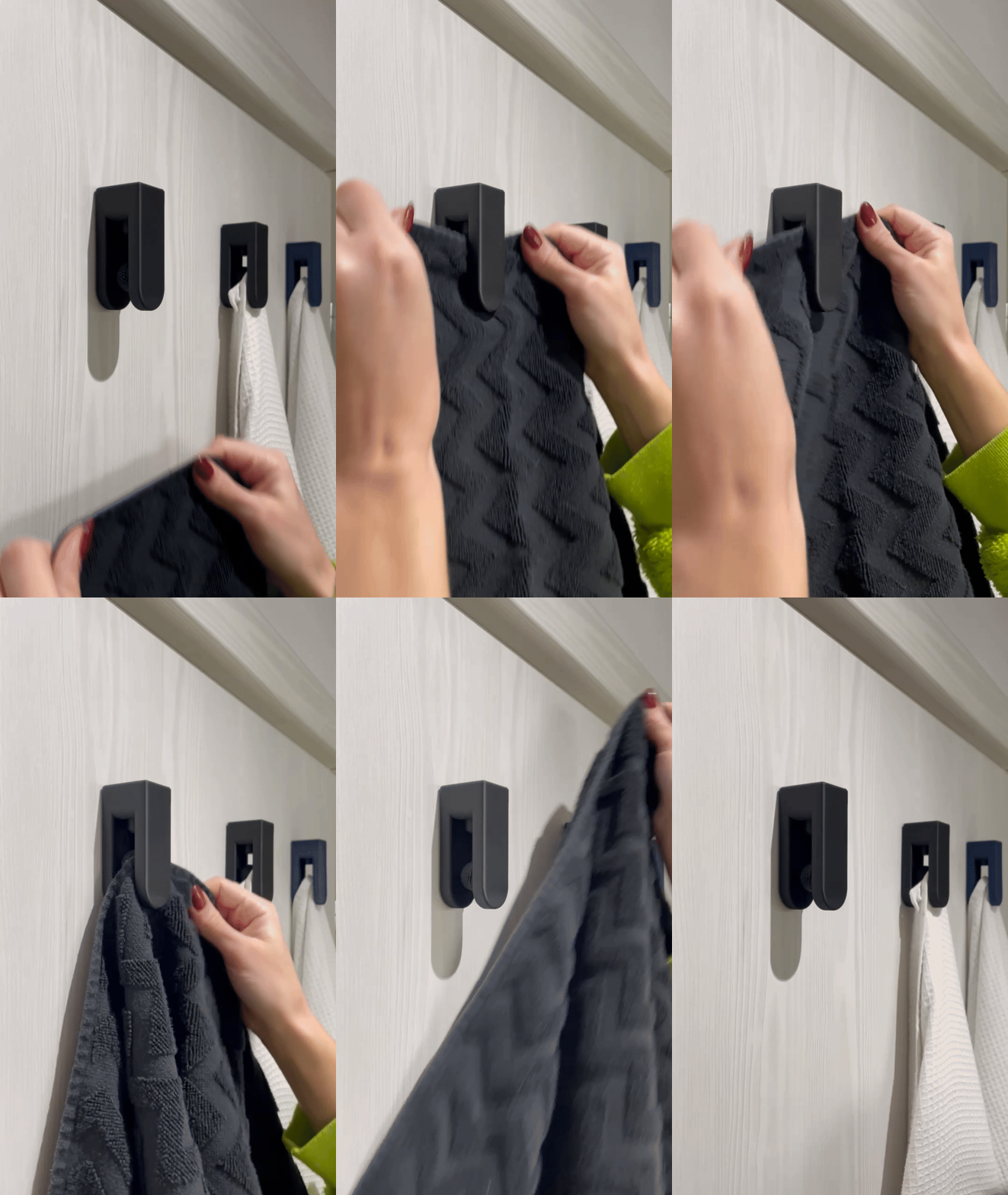

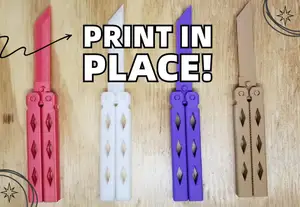

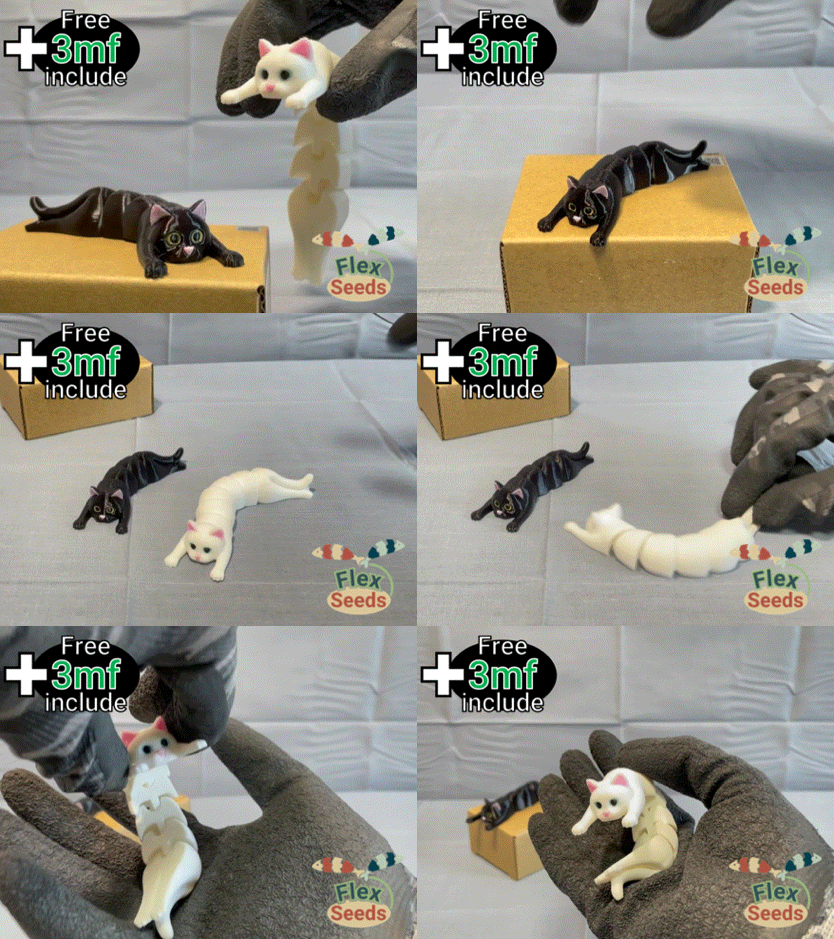



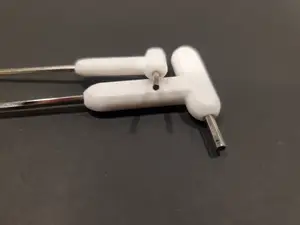

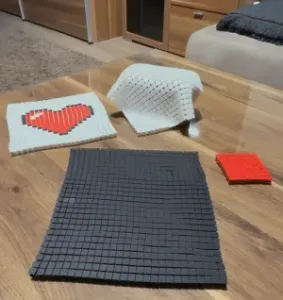
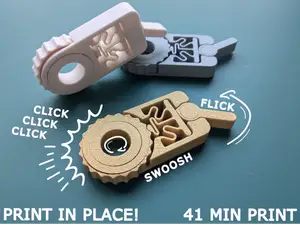
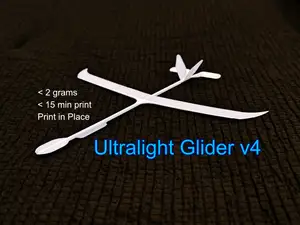


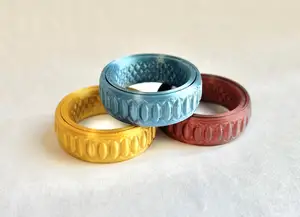
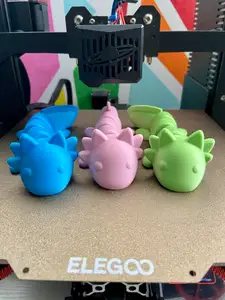
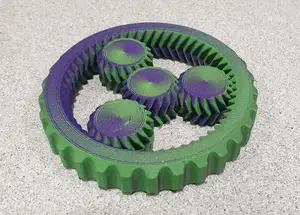


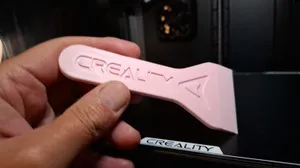
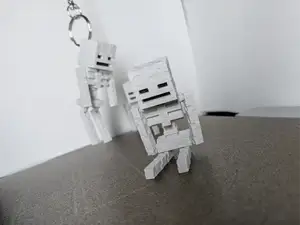
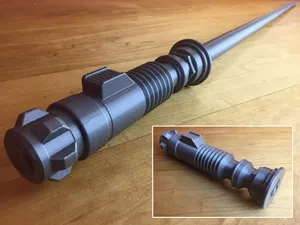
Print-in-place designs differ mainly in how much movement they contain. Some are single joints such as a clamp or a hinge, others are chains of linked segments that form a flexible figure or a small construction machine. Test and benchmark models sit in a separate group: they are printed to check clearances, bridging and surface quality rather than to be used as an object.
When choosing a model, open the author's page and read the listed dimensions, the number of parts and whether the file is a single piece or a multipart assembly. Check the recommended material and settings, the nozzle and layer height, and whether supports are mentioned. Photos of real prints show how the joints behave and where stringing or fused segments tend to appear.
To narrow the search, combine the topic with the mechanism you need: hinge, clamp, bearing, gear, chain, articulated, flexi. Related terms such as tolerance test, clearance test or calibration also lead to models in this group. If you are looking for something decorative rather than functional, switch to figure or toy queries instead.




Il catalogo completo dei temi, dalla casa alla lavorazione CNC, con ricerca su tutti i siti collegati.