
免费 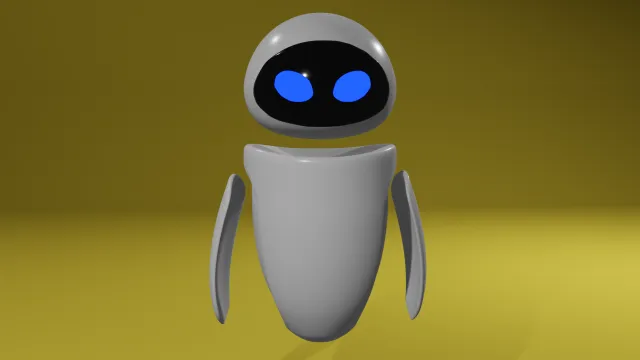
Робот Ева из мультика Валли
3DToday
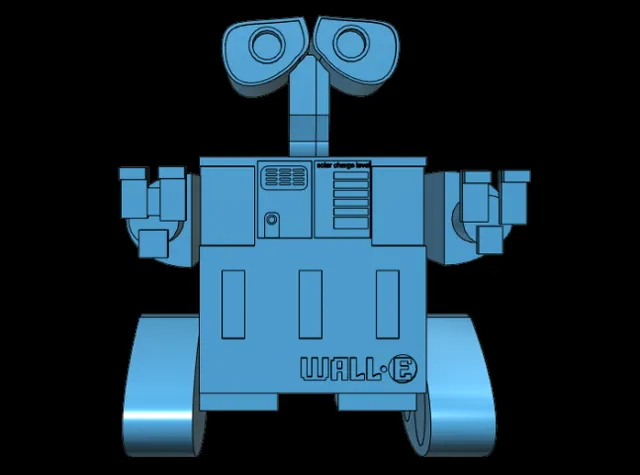
This collection gathers 3D models related to the WALL-E robot theme, from character figures to articulated and rolling designs. You can use it to compare STL projects before slicing them for a 3D printer. The range helps you move between display pieces, mechanical builds and simpler desk companions. Polyzon does not confirm whether models are free, their price, license, official status, affiliation, safety or fitness. Check the current terms at the source.
本合集的文字为英文,搜索本身支持任何语言。
 Polyzon合集 · 46个模型 来自9个平台
此合集由Polyzon根据已接入平台的搜索结果整理而成:去除重复项和没有预览图的模型,匹配度低的排在最后,其余按搜索结果顺序排列。模型归作者所有——请在各模型页面查看使用条款。
筛选规则:Polyzon编辑部 · 文字更新于2026年10月11日


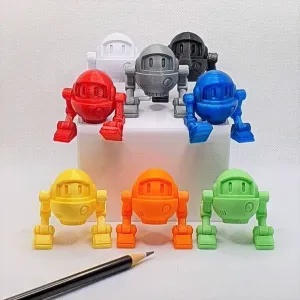
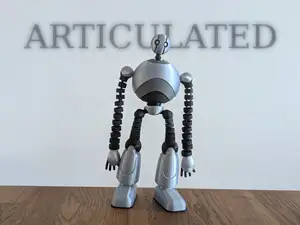
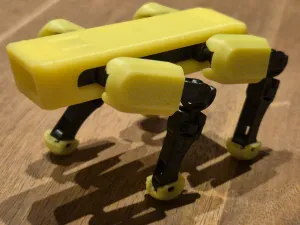


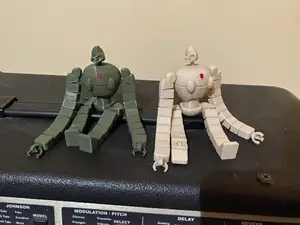
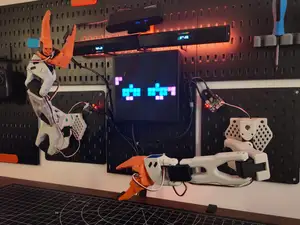
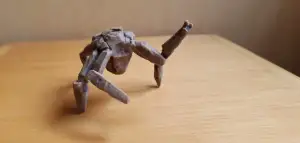

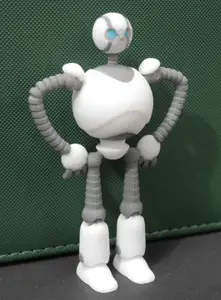


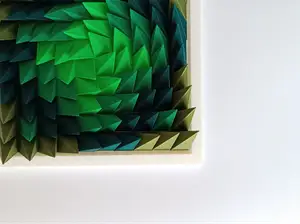

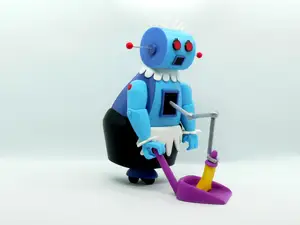

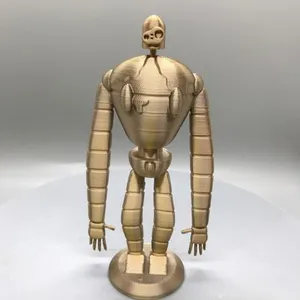
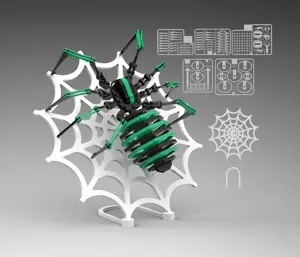

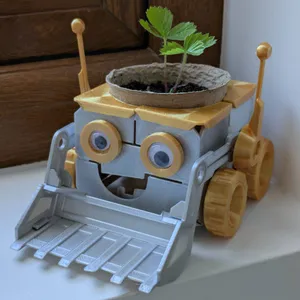

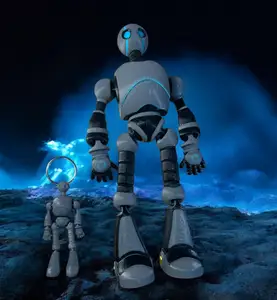
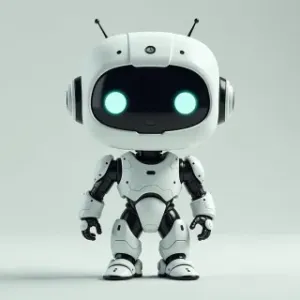
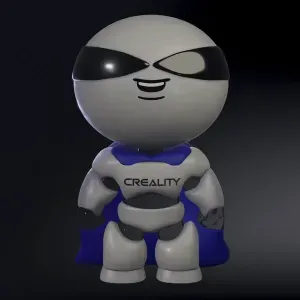


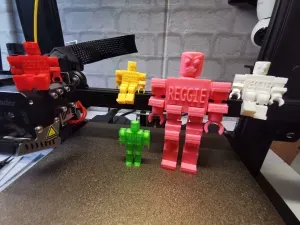
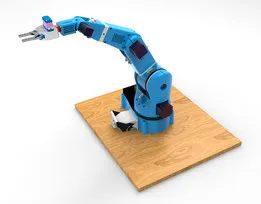
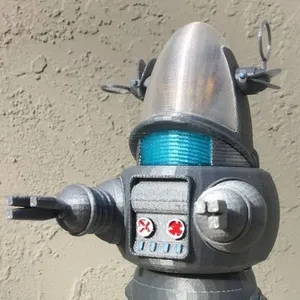


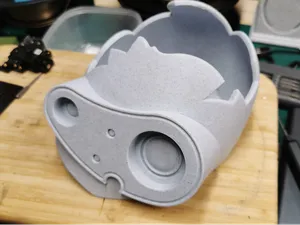


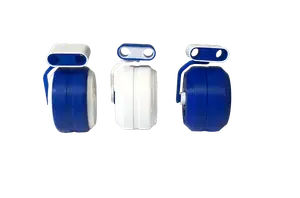


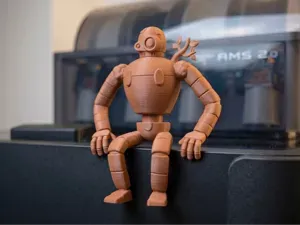
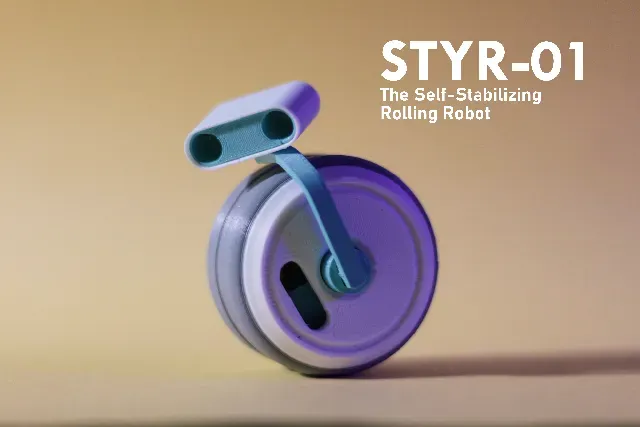
The theme covers character figures, articulated robots, rolling or self-balancing builds, desk companions and walking designs. Static figures usually focus on pose and surface detail, while articulated and print-in-place models add joints or moving parts. Rolling and self-balancing projects often include electronics or a chassis, so their part count and assembly steps differ from a simple display piece.
Before printing, check the size and scale, the number of parts, and whether supports are needed. Look at the material and settings the author lists, and review photos of real prints to understand surface finish and tolerances. For mechanical robots, confirm how joints, axles or wheels are assembled and whether extra hardware is required.
To refine the search, try terms such as robot figure, articulated robot, desk robot, rolling robot or walking robot. Related topics include animated film robots, sci-fi companions, print-in-place mechanisms and small robotics projects. Combining the character name with a build type, scale or part type usually narrows the results.
完整的主题目录:从家居日用到CNC,均可在已接入的来源平台中搜索。