
免费 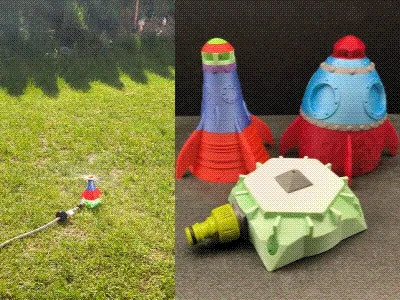
Sprinkler Rocket
MakerWorld
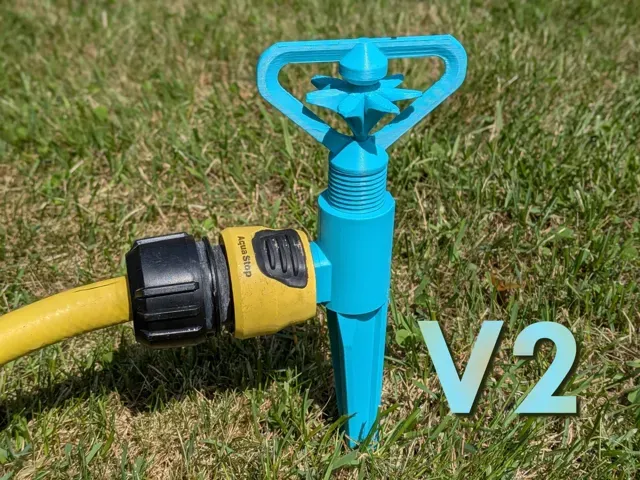
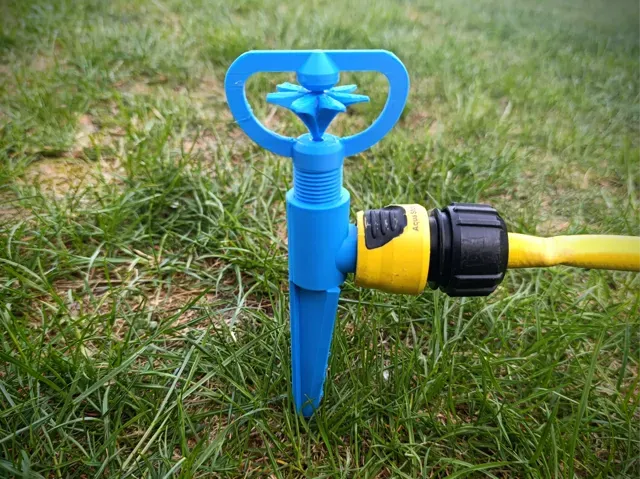
This collection gathers STL files for garden watering: rotating and spinning heads, rocket-shaped sprayers, jet nozzles, vortex designs and pop-up units. It is useful when you want to replace a broken sprinkler or build a spray pattern that matches your bed or lawn. Each entry is a 3D printing project, so the result depends on the file, the material and the settings you choose. Polyzon does not confirm whether models are free, their price, license, official status, affiliation, safety or fitness. Check the current terms at the source.
本合集的文字为英文,搜索本身支持任何语言。
 Polyzon合集 · 48个模型 来自4个平台
此合集由Polyzon根据已接入平台的搜索结果整理而成:去除重复项和没有预览图的模型,匹配度低的排在最后,其余按搜索结果顺序排列。模型归作者所有——请在各模型页面查看使用条款。
筛选规则:Polyzon编辑部 · 文字更新于2026年10月13日
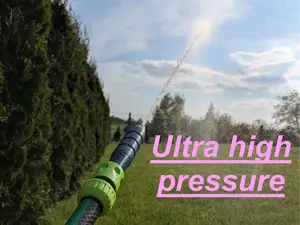

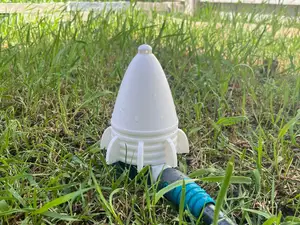
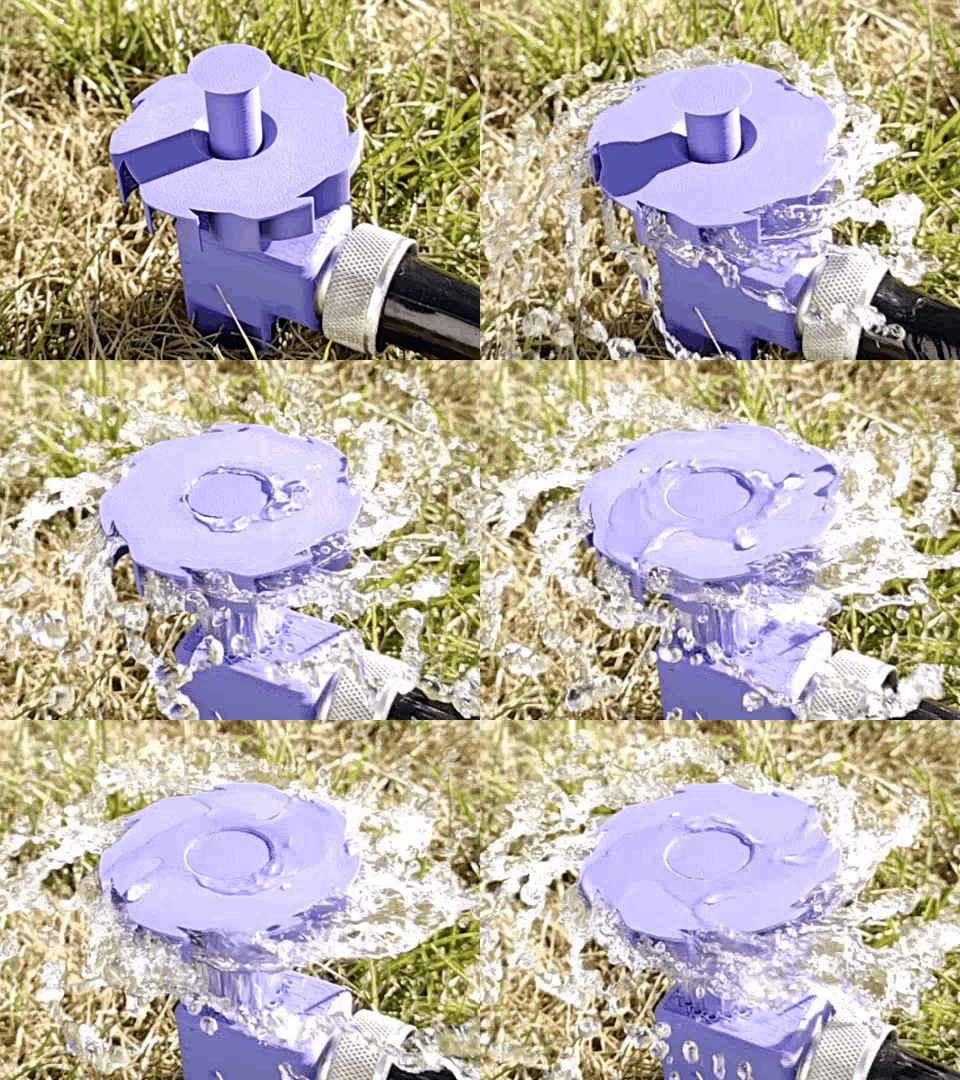
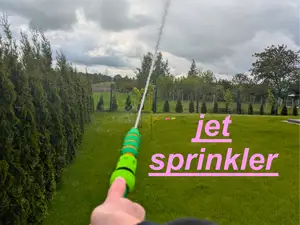
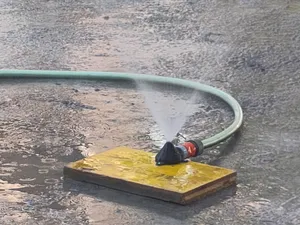

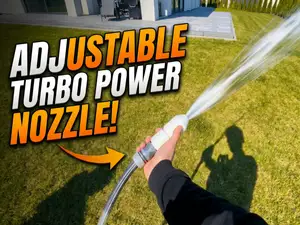

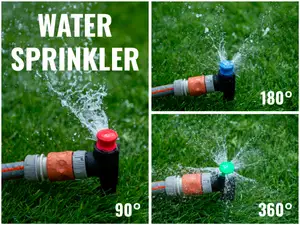
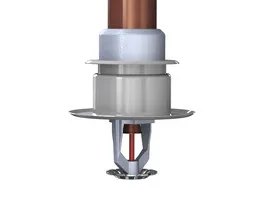

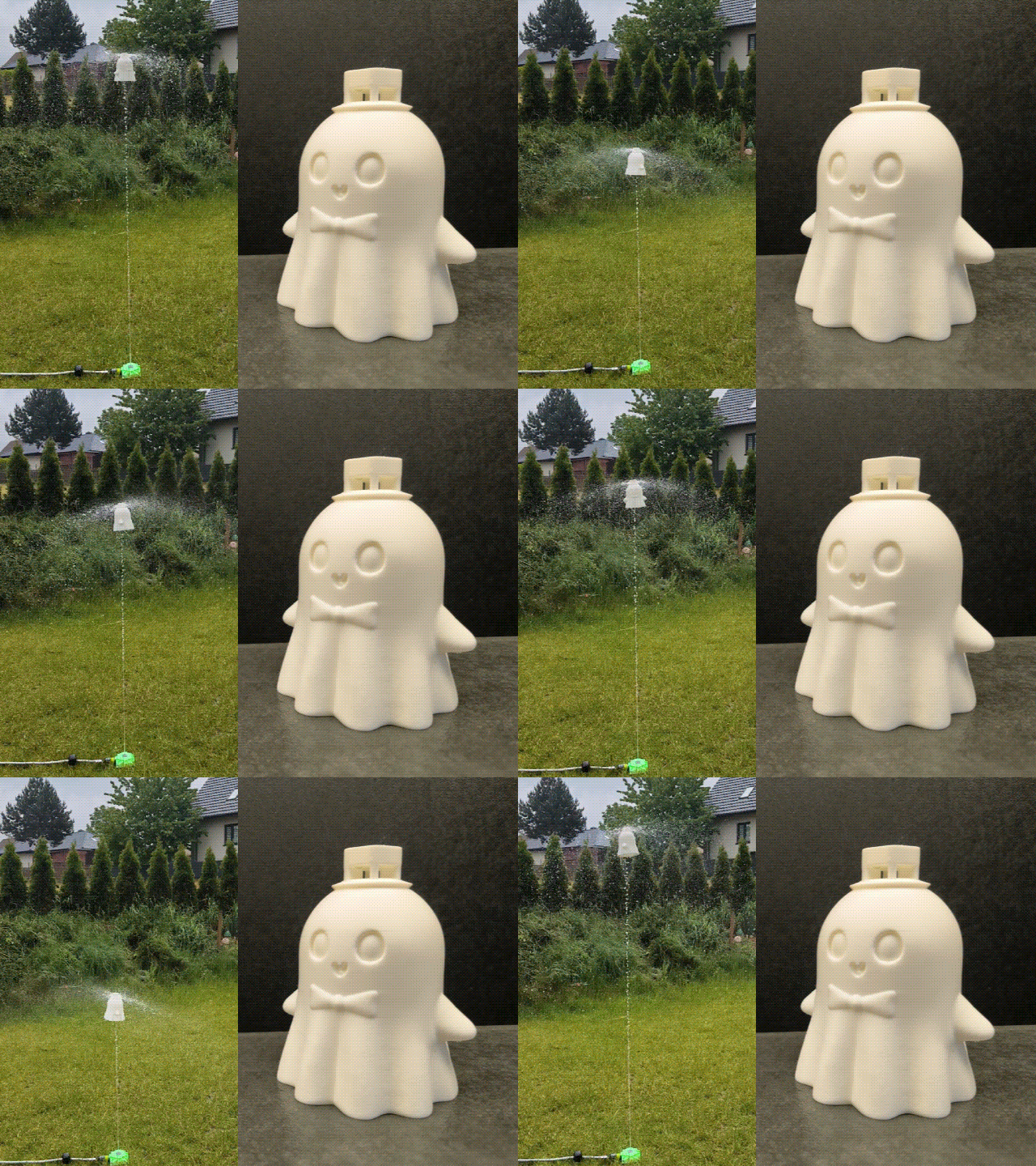
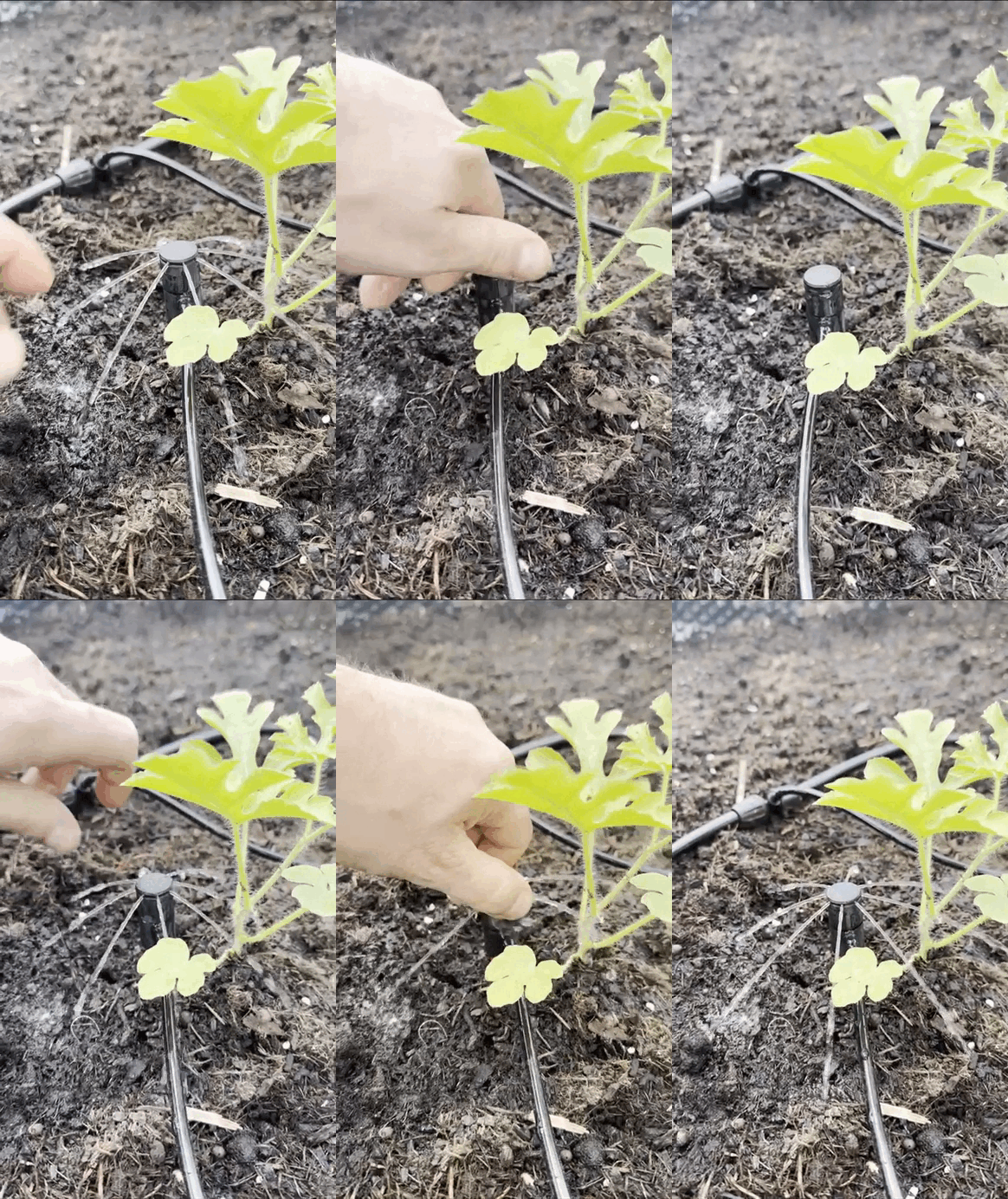

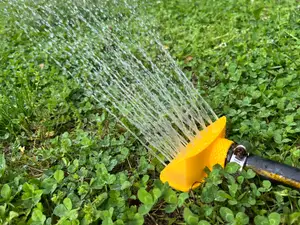

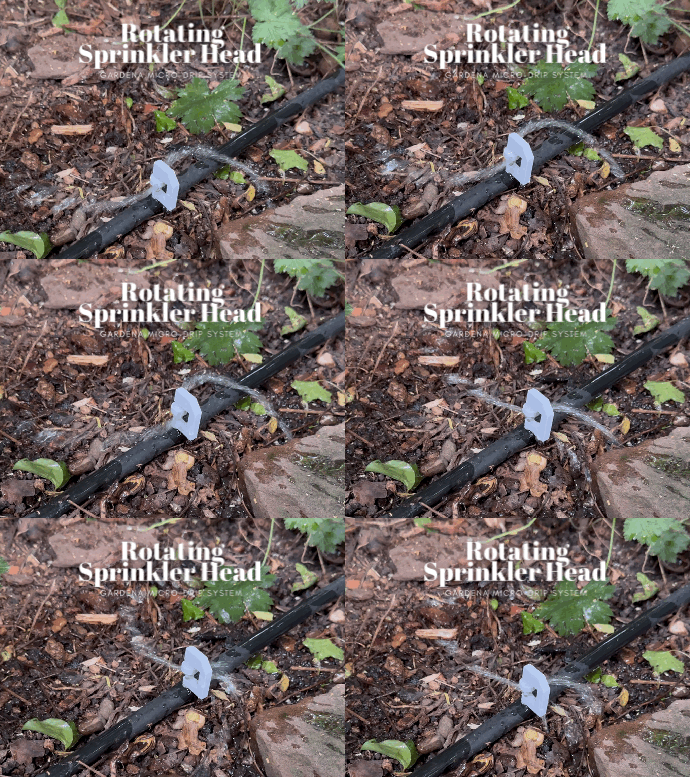

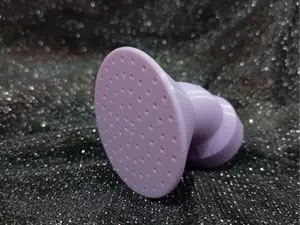
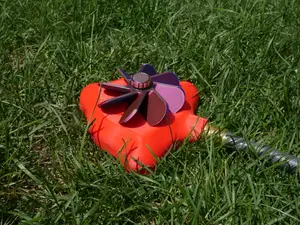
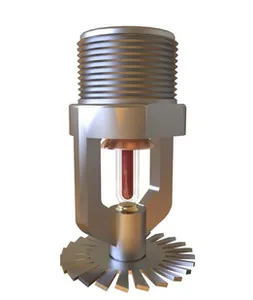

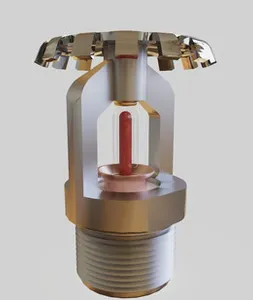
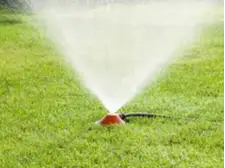

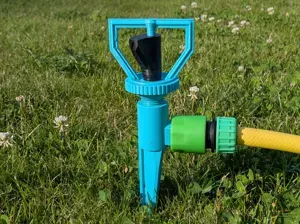

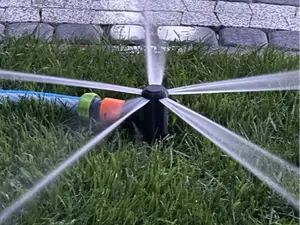
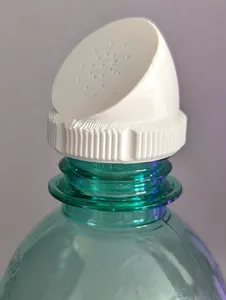
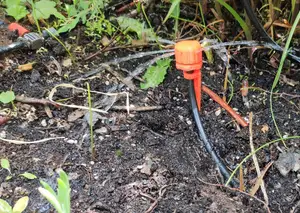
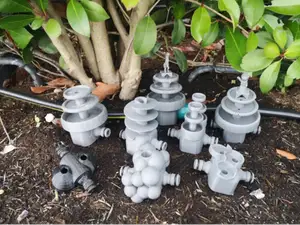

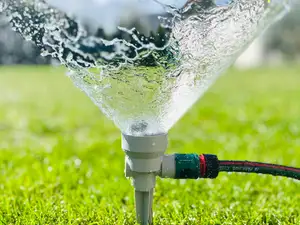
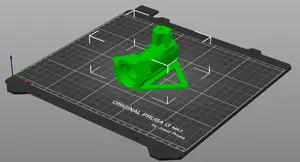
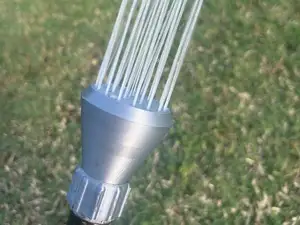

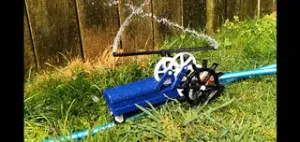
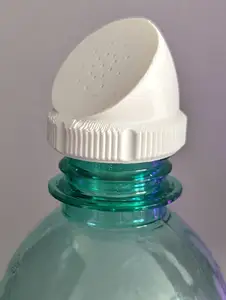
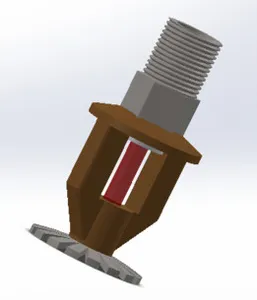
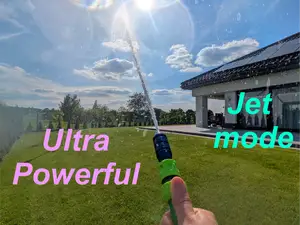
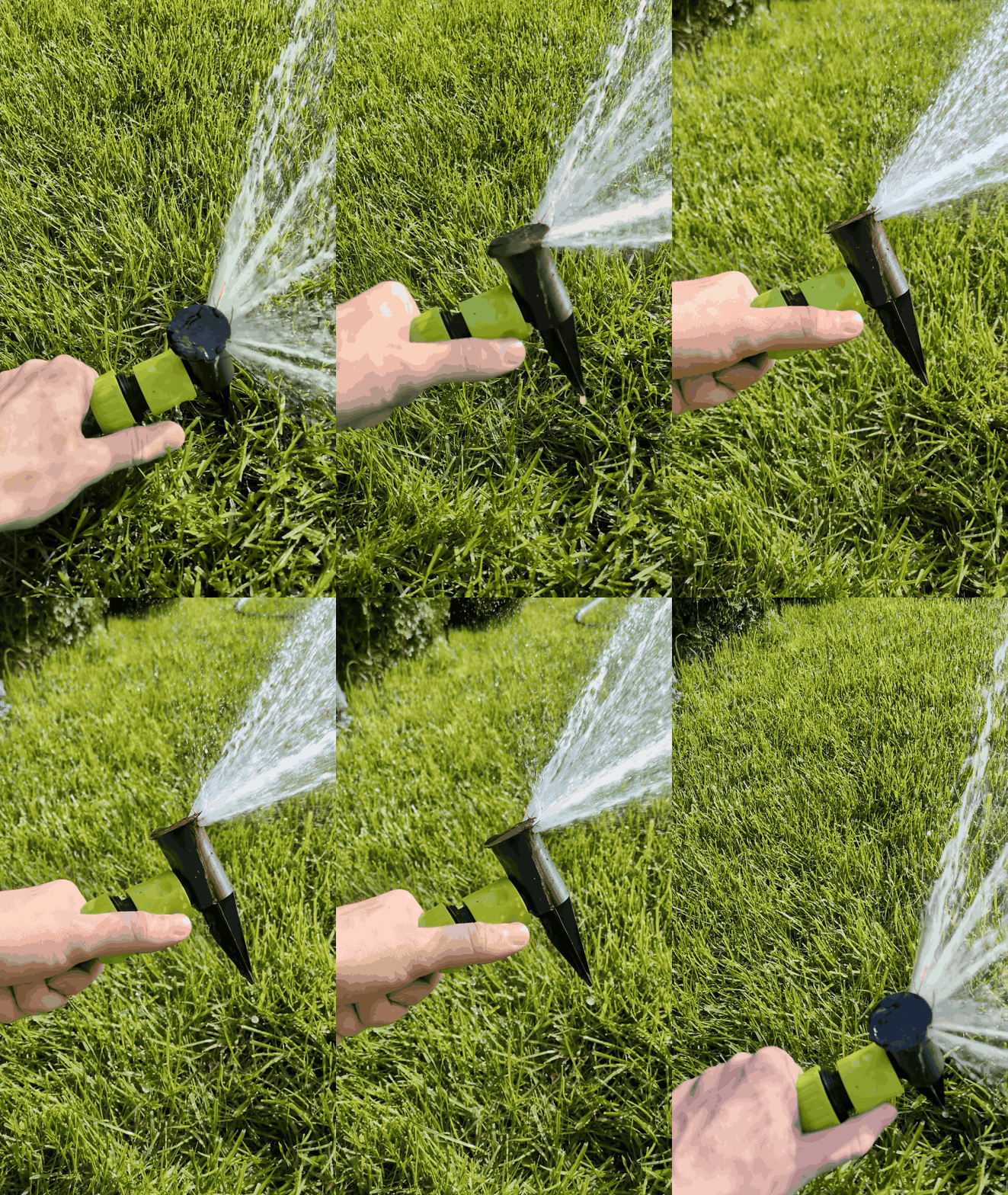
The designs differ mainly in how they move water. Rotating and spinning sprinklers use arms or a rotor driven by the water flow, while vortex models shape the jet inside a fixed body and have no moving parts. Rocket-shaped sprayers and jet hand nozzles are usually held or mounted at the end of a hose, and pop-up heads sit lower in the ground until the pressure lifts them.
Before printing, open the author's model page and read the details: thread size and connector type, overall dimensions and scale, number of parts and how they assemble, and whether supports are needed. The page also states the material and print settings the author used, plus photos of real prints, which show how the surfaces and joints come out. Wall thickness and layer height matter here, because thin shells and coarse layers affect how the water leaves the nozzle.
To widen the search, try synonyms such as garden sprinkler, lawn sprinkler, water sprayer, irrigation head or hose nozzle, and combine them with terms like rotating, vortex, pop-up or adjustable. Related topics include hose adapters, thread converters, drip irrigation parts and other garden tools, which often appear alongside sprinkler files. Filtering by category and by the print time mentioned in the title helps narrow a long list.
A few practical points apply to most of these files. Parts that carry water are usually printed with more perimeters so the walls stay tight, and threaded connections may need a small tolerance test before the full model. If a design has several pieces, check the assembly order and whether any glue or screws are listed. Outdoor use means the printed part will sit in sun and weather, so the filament the author names is worth comparing with what you have on the spool.



完整的主题目录:从家居日用到CNC,均可在已接入的来源平台中搜索。