免费 
SatRan Antenna Rotator
Thingiverse
This collection gathers 3D models for antenna rotators and trackers: azimuth–elevation assemblies, servo-driven pan-tilt units, mounts, adapters and gear mechanisms. Most of them are printed parts that combine with bearings, servos or stepper motors bought separately, so the STL files are only one part of the build. It helps if you already know which antenna you want to point and how much space the 3D printer has for the largest part. Polyzon does not confirm whether models are free, their price, license, official status, affiliation, safety or fitness. Check the current terms at the source.
本合集的文字为英文,搜索本身支持任何语言。
 Polyzon合集 · 48个模型 来自4个平台
此合集由Polyzon根据已接入平台的搜索结果整理而成:去除重复项和没有预览图的模型,匹配度低的排在最后,其余按搜索结果顺序排列。模型归作者所有——请在各模型页面查看使用条款。
筛选规则:Polyzon编辑部 · 文字更新于2026年10月13日
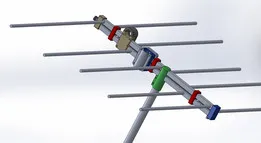


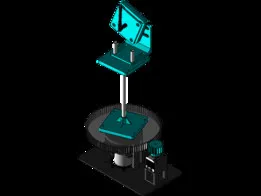

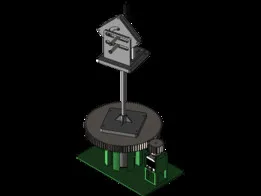


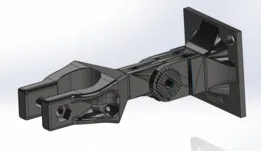
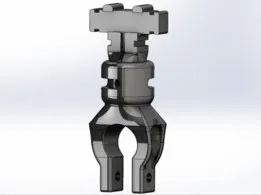

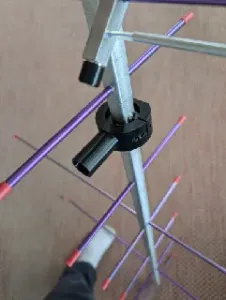

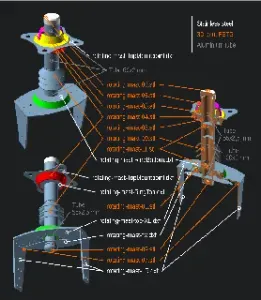


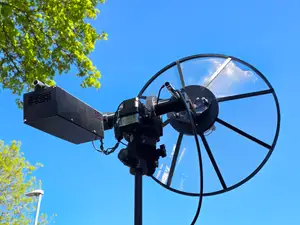


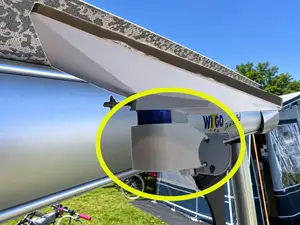

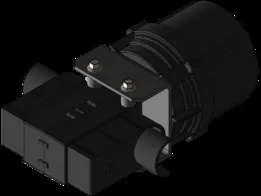


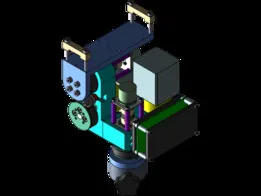
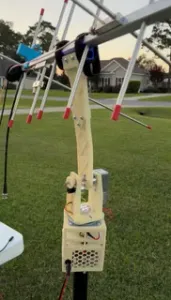
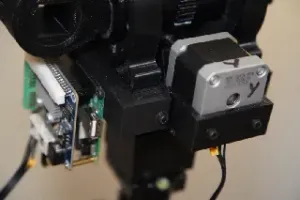


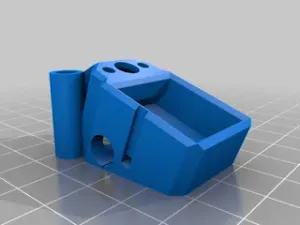
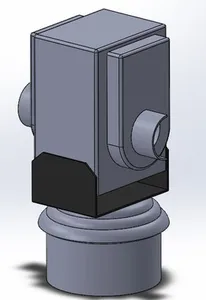
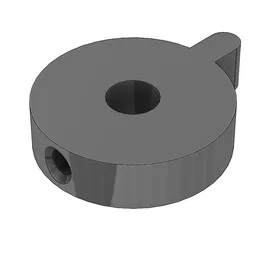




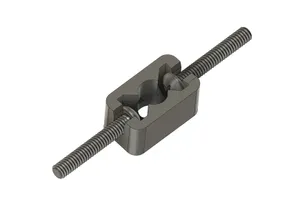
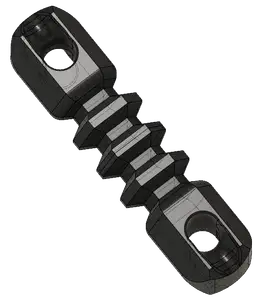
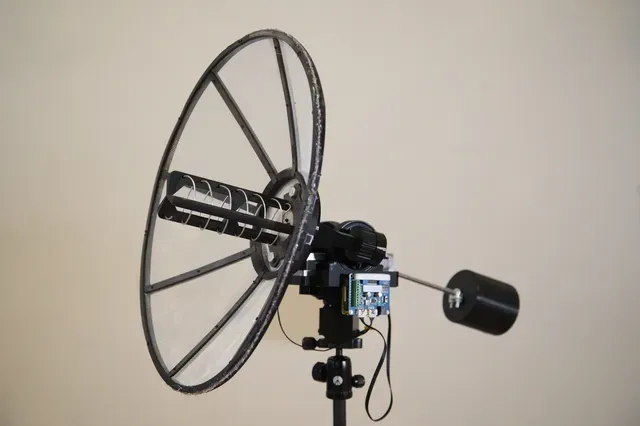
The designs differ mainly in how they move and how they are put together. Azimuth–elevation rotators turn the antenna around a vertical axis and tilt it up and down, while pan-tilt servo trackers use two hobby servos for the same two directions on a smaller scale. Some entries are complete ground-station builds with a base, mast clamp and control electronics, others are single components such as a worm gear housing, a gear rack, a spinner for a small whip, or an adapter that joins a rotator to a specific antenna feed.
When you open a model page, look first at the size and scale of the largest printed part and compare it with your build volume. Then check the parts list: how many printed pieces there are, whether bearings, shafts, screws or servo models are named, and how the pieces are fastened together. The author's notes usually state the material, layer height, infill and whether supports are needed, and photos of assembled prints show how the joints and cable routing actually look. For outdoor use, the choice between PLA, PETG and ASA matters more than the print itself, and any part that carries load deserves a thicker wall.
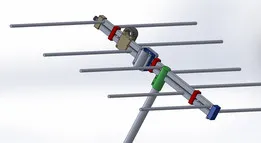
If the results feel narrow, try other names for the same idea: rotator, rotor, tracker, pan-tilt, azimuth-elevation or az-el, sat tracker, ground station. Searching for the antenna type instead — helical, Yagi, UHF, VHF, dish feed — often brings up matching mounts and adapters. Related topics such as tripod heads, mast clamps, slip rings, cable glands, stepper brackets and weatherproof enclosures are worth a separate search, because these parts are frequently published on their own rather than as part of a full rotator.
完整的主题目录:从家居日用到CNC,均可在已接入的来源平台中搜索。