Gratis 
Air Spinner
Thingiverse
This collection gathers translucent 3D models: lamps and lightboxes, vase-mode vessels, test cards, and small accessories. It helps you see how light and color behave in 3D printing. Check the author's page for scale, assembly, and material notes. Polyzon does not confirm whether models are free, their price, license, official status, affiliation, safety or fitness. Check the current terms at the source.
Esta colección está escrita en inglés, pero la búsqueda funciona en cualquier idioma.
 Una colección de Polyzon · 48 modelos de 5 plataformas
Polyzon reúne esta colección a partir de los resultados de búsqueda de las plataformas conectadas. Se eliminan los duplicados y los modelos sin vista previa, las coincidencias débiles van al final y el resto mantiene el orden de la búsqueda. Los modelos pertenecen a sus autores: consulta las condiciones en la página de cada modelo.
Criterios de selección: el equipo editorial de Polyzon · Texto actualizado el 14/10/2026


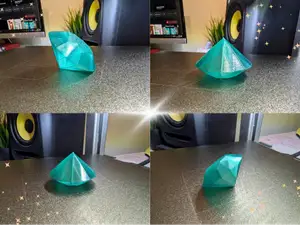
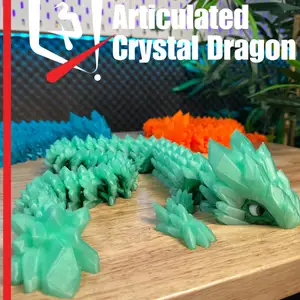


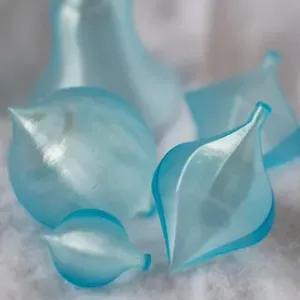
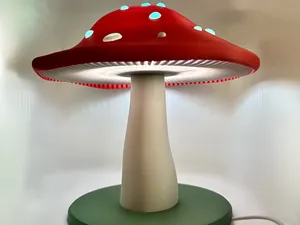



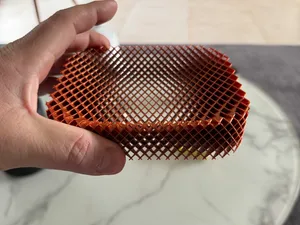
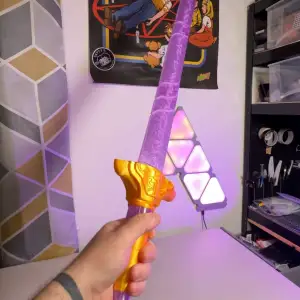


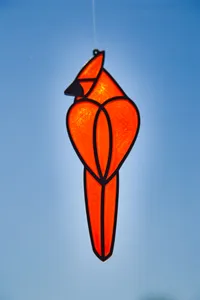
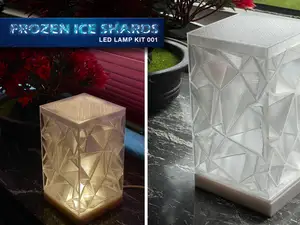
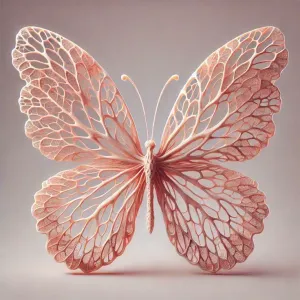


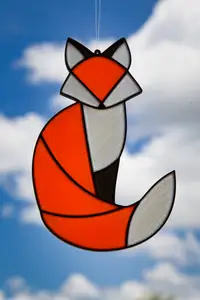
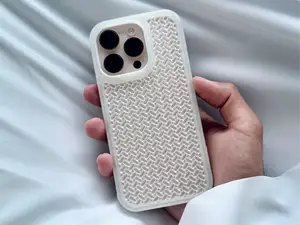
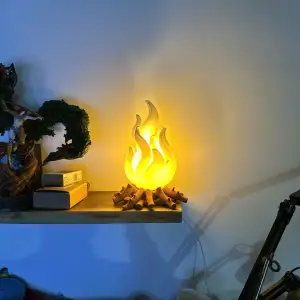


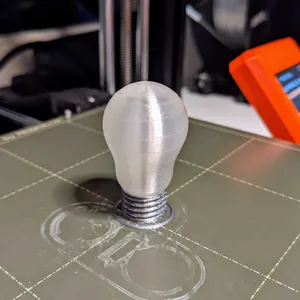
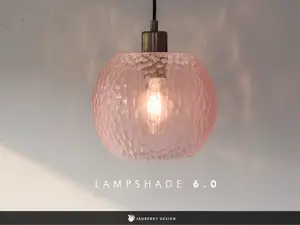
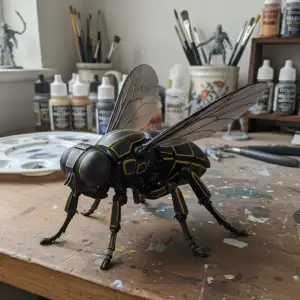


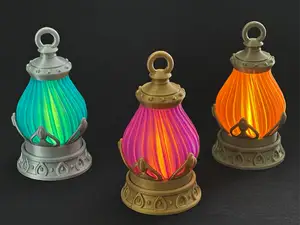
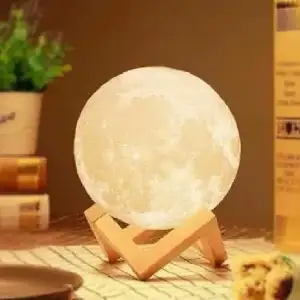


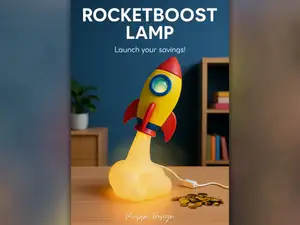
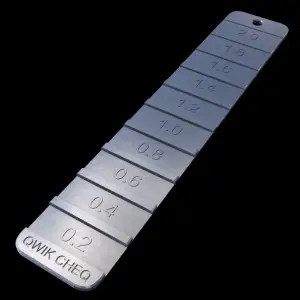


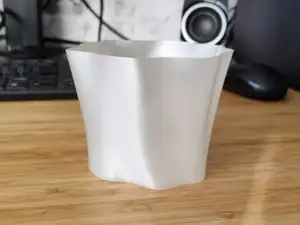
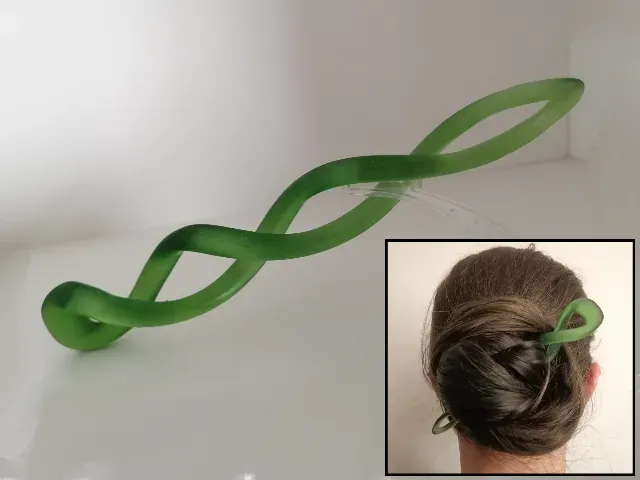
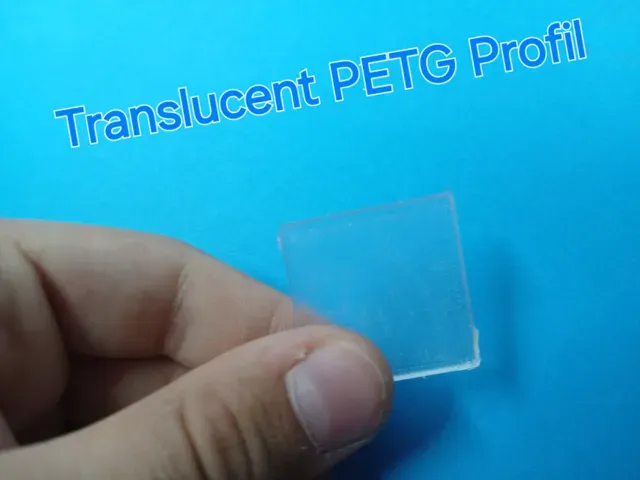
Translucent models often fall into a few groups: lamps and lightboxes that diffuse a light source, vases and ornaments that show color through thin walls, and test cards that reveal how a filament or resin handles transparency. Small accessories such as keycaps, hair sticks, and clutches use translucency as a visual accent rather than a light source. Articulated and flexible pieces add another layer because joints and thin sections can change how light passes through the print.
When choosing a model, look at the number of parts, the wall thickness, and whether the author shows real prints rather than only renders. For light-related objects, note the opening for a bulb or LED and how the model is meant to sit. On the printer side, layer height, extrusion width, and temperature affect how clear or cloudy the result looks; the author's listed settings are a useful starting point.
To refine a search, try terms such as transparent, frosted, clear, lightbox, and vase mode, then combine them with the object type you want. Related searches include lithophanes, lampshades, glow-in-the-dark parts, and resin casting. If a result is close but not exact, check the tags and the model description for material notes or print orientation.



El catálogo completo de temáticas, del hogar al CNC, con búsqueda en todas las plataformas conectadas.