無料 
Air Spinner
Thingiverse
This collection gathers translucent 3D models: lamps and lightboxes, vase-mode vessels, test cards, and small accessories. It helps you see how light and color behave in 3D printing. Check the author's page for scale, assembly, and material notes. Polyzon does not confirm whether models are free, their price, license, official status, affiliation, safety or fitness. Check the current terms at the source.
このコレクションの本文は英語で書かれています。検索自体はどの言語でも使えます。
 Polyzonのコレクション · モデル48件 5サイトから収集
このコレクションは、Polyzonが対応サイトの検索結果をもとに作成しています。重複やプレビューのないモデルは除外し、関連性の低いものは後ろに回し、それ以外は検索結果の順に並べています。モデルの権利は各作者にあります。利用条件は各モデルのページでご確認ください。
選定基準:Polyzon編集部 · 本文の更新日:2026年10月14日
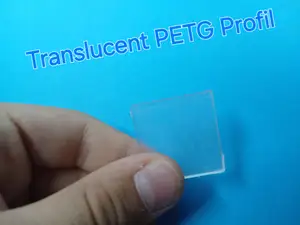


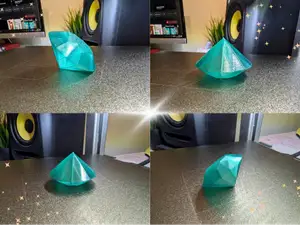
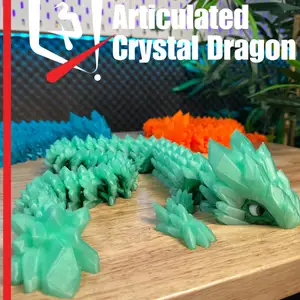


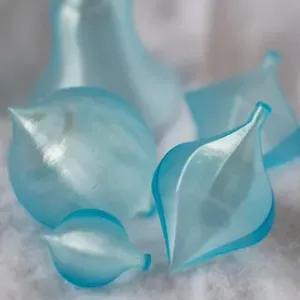
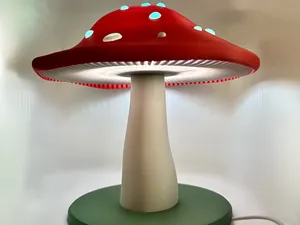



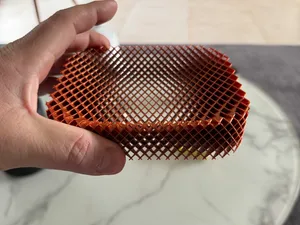
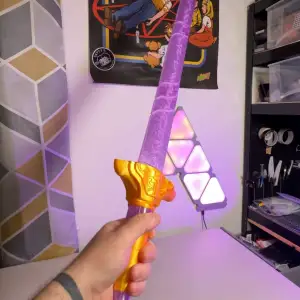


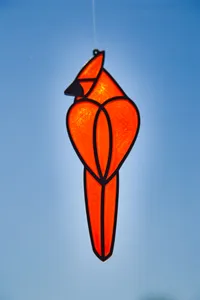
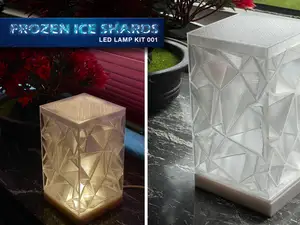
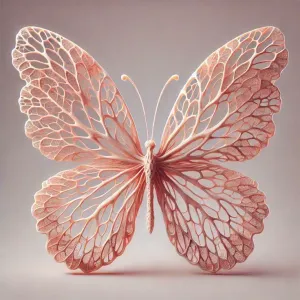



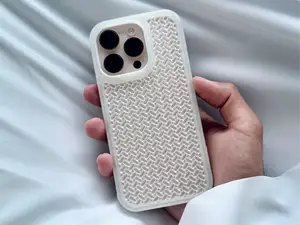
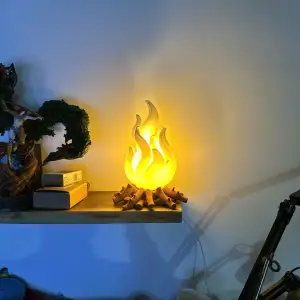


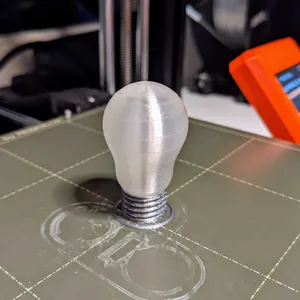
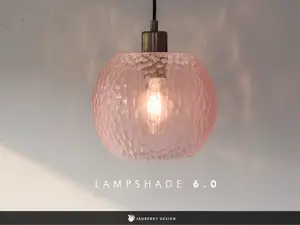
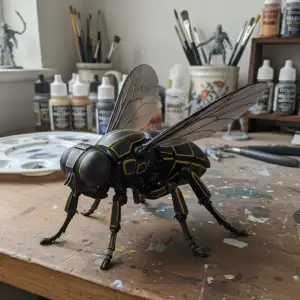


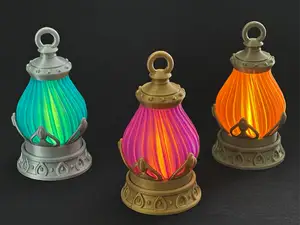
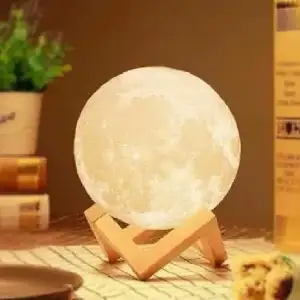


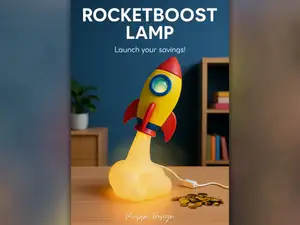
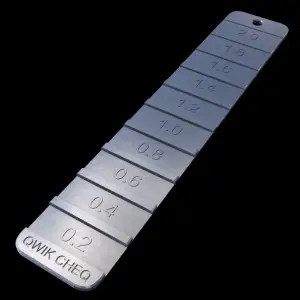


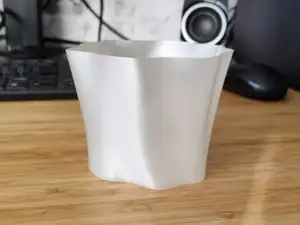
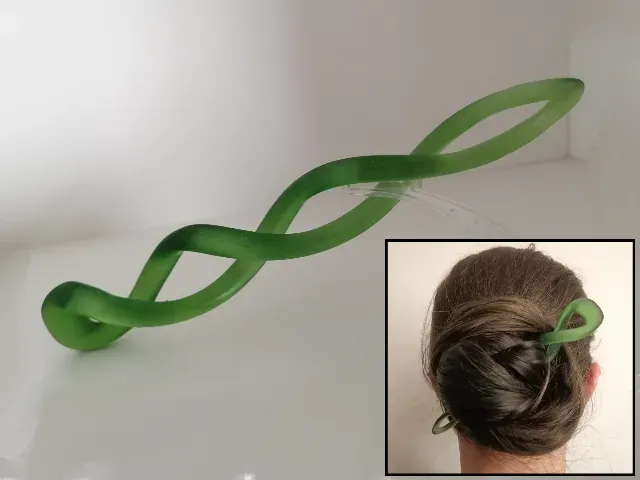
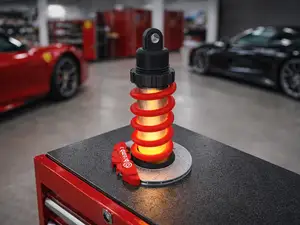
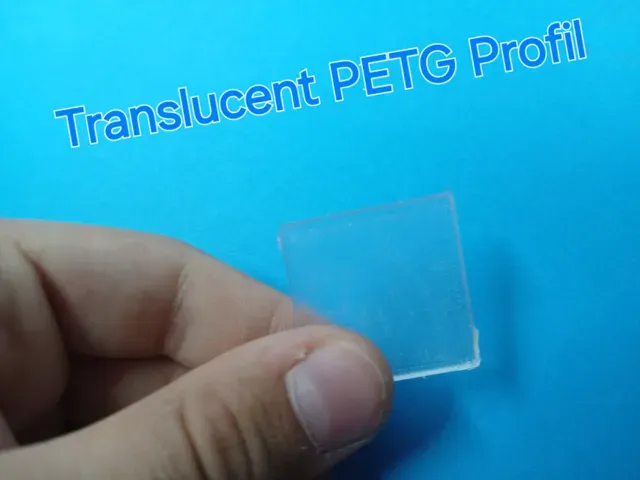
Translucent models often fall into a few groups: lamps and lightboxes that diffuse a light source, vases and ornaments that show color through thin walls, and test cards that reveal how a filament or resin handles transparency. Small accessories such as keycaps, hair sticks, and clutches use translucency as a visual accent rather than a light source. Articulated and flexible pieces add another layer because joints and thin sections can change how light passes through the print.
When choosing a model, look at the number of parts, the wall thickness, and whether the author shows real prints rather than only renders. For light-related objects, note the opening for a bulb or LED and how the model is meant to sit. On the printer side, layer height, extrusion width, and temperature affect how clear or cloudy the result looks; the author's listed settings are a useful starting point.
To refine a search, try terms such as transparent, frosted, clear, lightbox, and vase mode, then combine them with the object type you want. Related searches include lithophanes, lampshades, glow-in-the-dark parts, and resin casting. If a result is close but not exact, check the tags and the model description for material notes or print orientation.
暮らし・日用品からCNCまで、すべてのテーマをそろえたカタログ。対応サイトを横断して検索できます。