Gratis 
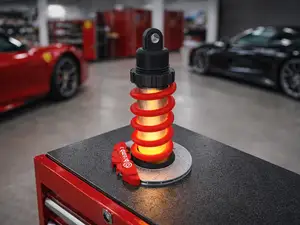
Air Spinner
Thingiverse
This collection gathers translucent 3D models: lamps and lightboxes, vase-mode vessels, test cards, and small accessories. It helps you see how light and color behave in 3D printing. Check the author's page for scale, assembly, and material notes. Polyzon does not confirm whether models are free, their price, license, official status, affiliation, safety or fitness. Check the current terms at the source.
Il testo di questa raccolta è in inglese; la ricerca funziona in qualsiasi lingua.
 Una raccolta di Polyzon · 48 modelli da 5 siti
Polyzon compone questa raccolta a partire dai risultati di ricerca dei siti collegati. I doppioni e i modelli senza anteprima vengono rimossi, le corrispondenze deboli finiscono in fondo e il resto mantiene l’ordine dei risultati. I modelli appartengono ai rispettivi autori: verifica le condizioni sulla pagina di ciascun modello.
Criteri di selezione a cura della redazione di Polyzon · Testo aggiornato: 14/10/2026
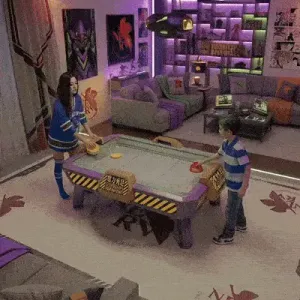


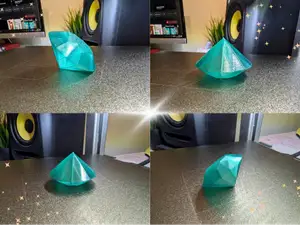
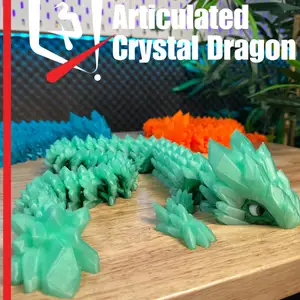


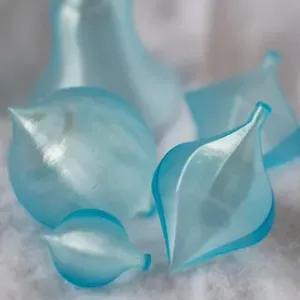
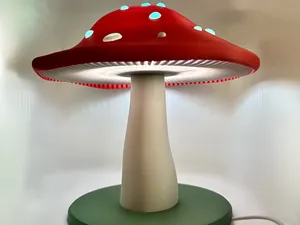



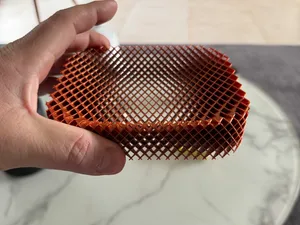
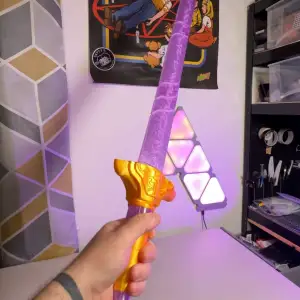


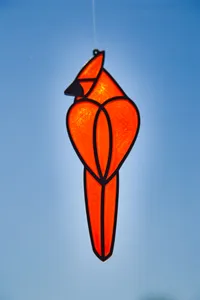
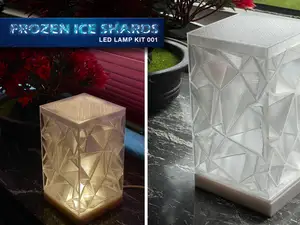
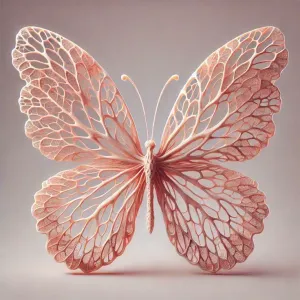



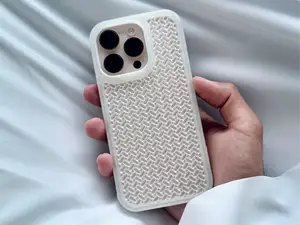
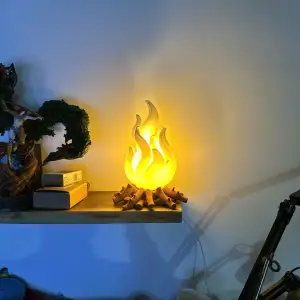


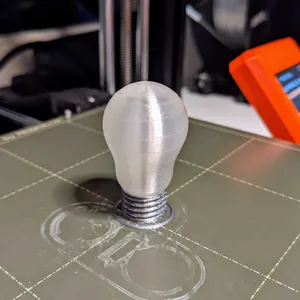
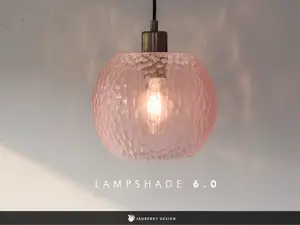
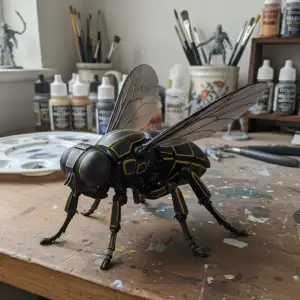


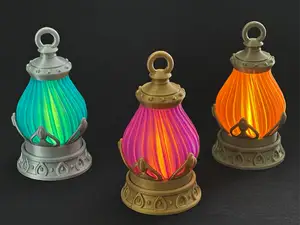
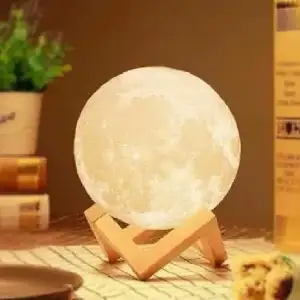


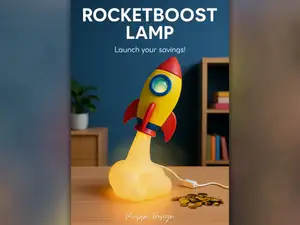
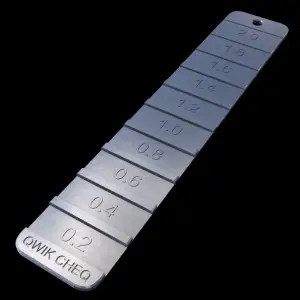


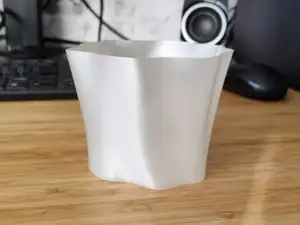
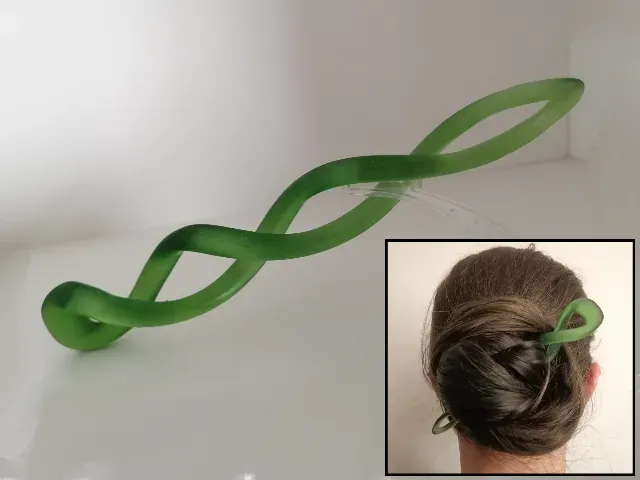
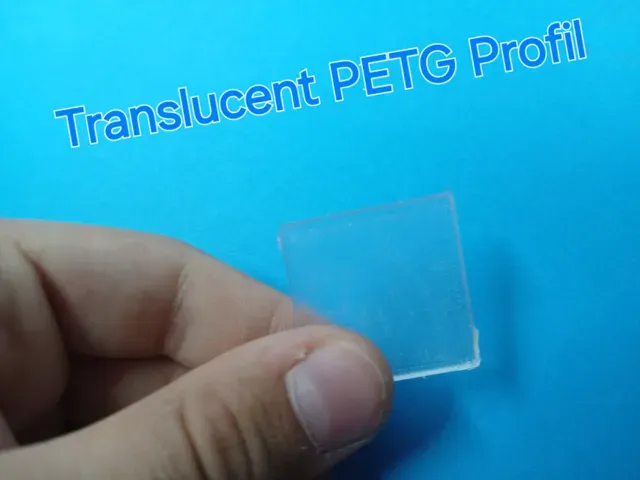
Translucent models often fall into a few groups: lamps and lightboxes that diffuse a light source, vases and ornaments that show color through thin walls, and test cards that reveal how a filament or resin handles transparency. Small accessories such as keycaps, hair sticks, and clutches use translucency as a visual accent rather than a light source. Articulated and flexible pieces add another layer because joints and thin sections can change how light passes through the print.
When choosing a model, look at the number of parts, the wall thickness, and whether the author shows real prints rather than only renders. For light-related objects, note the opening for a bulb or LED and how the model is meant to sit. On the printer side, layer height, extrusion width, and temperature affect how clear or cloudy the result looks; the author's listed settings are a useful starting point.
To refine a search, try terms such as transparent, frosted, clear, lightbox, and vase mode, then combine them with the object type you want. Related searches include lithophanes, lampshades, glow-in-the-dark parts, and resin casting. If a result is close but not exact, check the tags and the model description for material notes or print orientation.



Il catalogo completo dei temi, dalla casa alla lavorazione CNC, con ricerca su tutti i siti collegati.