
Gratuit 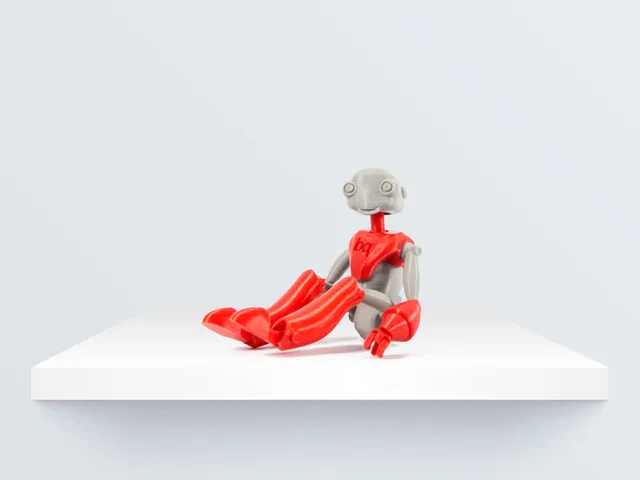
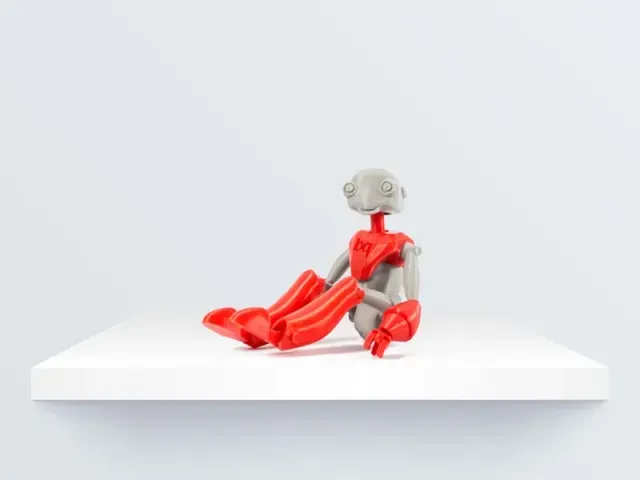
BeQui, Jointed Robot
Pinshape
This collection gathers STL files for jointed robots: tiny print-in-place figures, multi-joint arms, hexapods and walking machines. It helps you compare how the joints are built before you send a model to your 3D printer. The range covers both simple posable figures and mechanisms with many separate parts. Polyzon does not confirm whether models are free, their price, license, official status, affiliation, safety or fitness. Check the current terms at the source.
Le texte de cette collection est rédigé en anglais ; la recherche, elle, fonctionne dans toutes les langues.
 Une collection Polyzon · 47 modèles sur 8 plateformes
Polyzon compose cette collection à partir des résultats de recherche des plateformes connectées. Les doublons et les modèles sans aperçu sont retirés, les correspondances faibles sont placées à la fin, et le reste suit l’ordre de la recherche. Les modèles appartiennent à leurs auteurs : consultez les conditions sur la page de chaque modèle.
Règles de sélection : la rédaction de Polyzon · Texte mis à jour le 13/10/2026




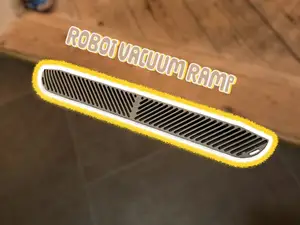
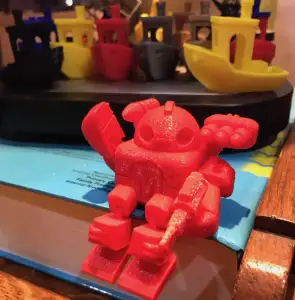
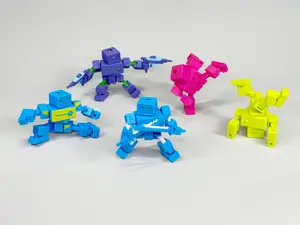
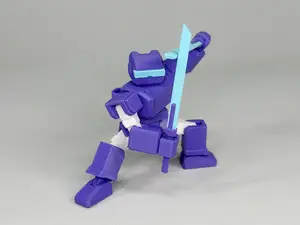
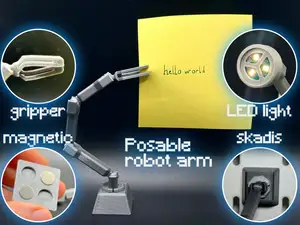
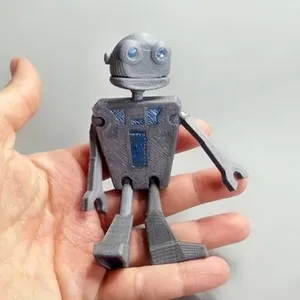

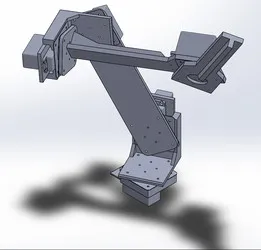
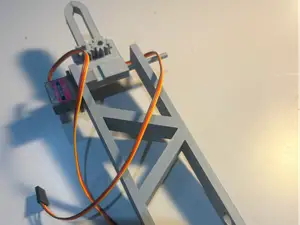
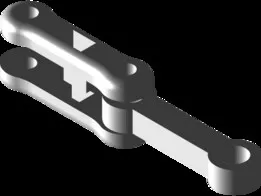

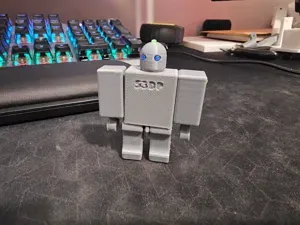
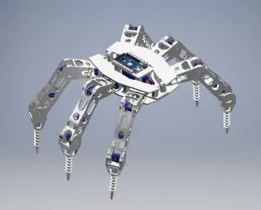

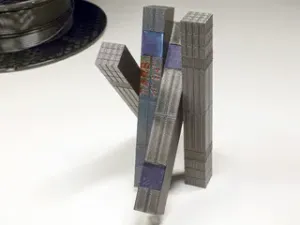

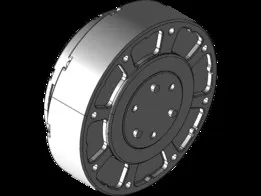


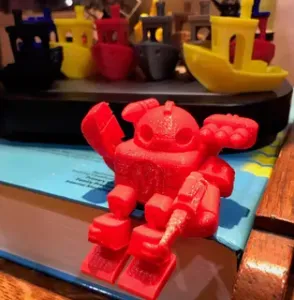

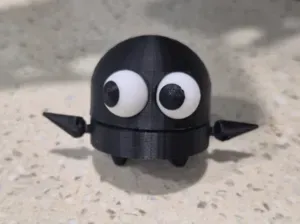
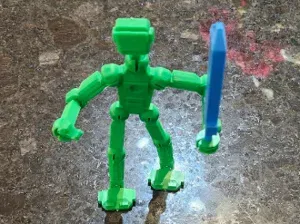
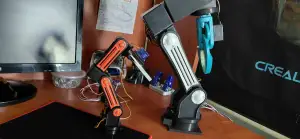


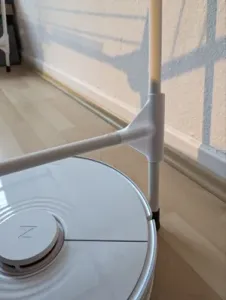
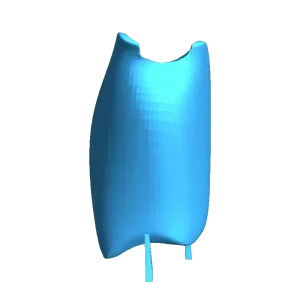
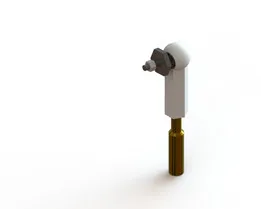


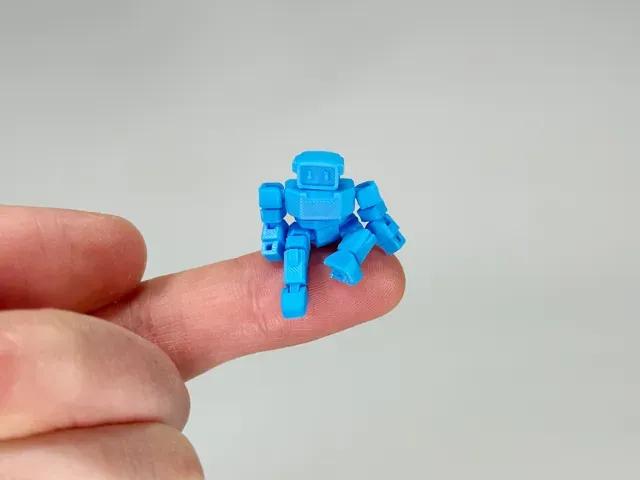
Jointed robot models often fall into a few groups: print-in-place figures with enclosed hinges, robot arms with a small number of large joints, and hexapod or walking platforms that use several legs. Print-in-place designs arrive as one piece and rely on clearances between parts, while arm and hexapod builds may include separate links, pins or servo mounts. Some files focus on a single joint mechanism, such as a ball joint or a hinge that uses filament as a pin.
On the author's model page, check the stated size and scale, the number of parts, and whether the design needs supports or assembly. Look at the photos of real prints to see how the joints move and where the clearances sit. For print-in-place parts, layer height, horizontal expansion and cooling settings matter because they affect how the hinges move. If the model uses servos or magnets, confirm the hardware dimensions before printing.
To refine a search, try synonyms such as articulated, posable, print-in-place, ball-jointed or multi-joint, and combine them with robot arm, hexapod or walking robot. Related topics include robot joints, hinge mechanisms, servo brackets and magnetic mounts. Adding terms like tiny, modular or parametric can narrow results toward a particular build style.


Le catalogue complet des thèmes, de la maison à la CNC, avec une recherche sur tous les sites connectés.