
Gratuit 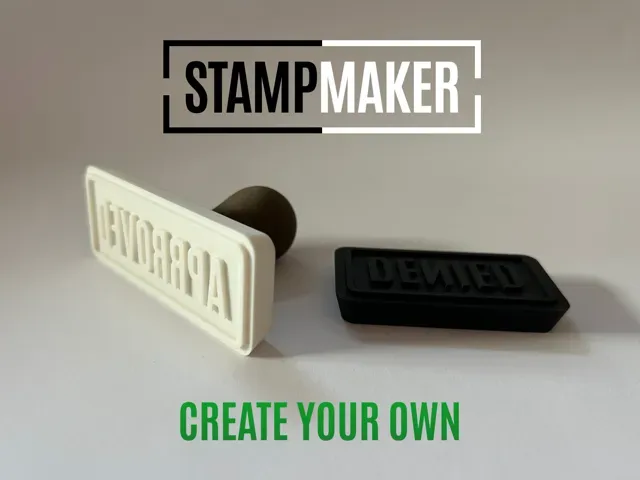
Stamp Maker - Customizable Stamps
MakerWorld
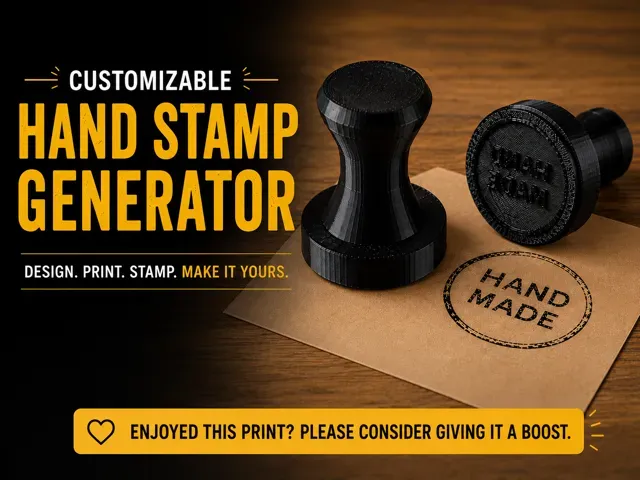
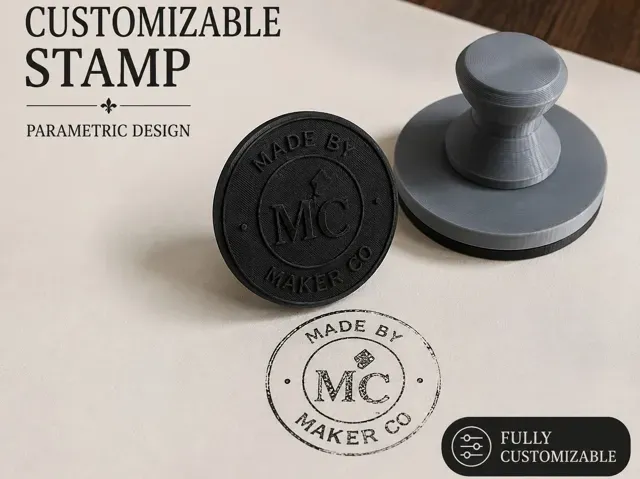
This collection gathers 3D models for stamps of several kinds: customizable text and mark stamps, wax seals, paper embossers, and cutter-and-stamp sets for dough or clay. Each entry is a file you can slice for a 3D printer, and many can be adapted to your own text or shape. Browsing the range helps you compare how a stamp is built before you commit to a print. Polyzon does not confirm whether models are free, their price, license, official status, affiliation, safety or fitness. Check the current terms at the source.
Le texte de cette collection est rédigé en anglais ; la recherche, elle, fonctionne dans toutes les langues.
 Une collection Polyzon · 48 modèles sur 6 plateformes
Polyzon compose cette collection à partir des résultats de recherche des plateformes connectées. Les doublons et les modèles sans aperçu sont retirés, les correspondances faibles sont placées à la fin, et le reste suit l’ordre de la recherche. Les modèles appartiennent à leurs auteurs : consultez les conditions sur la page de chaque modèle.
Règles de sélection : la rédaction de Polyzon · Texte mis à jour le 11/10/2026



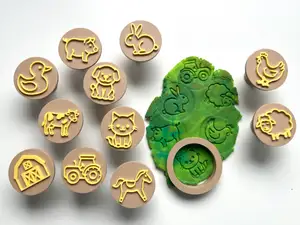


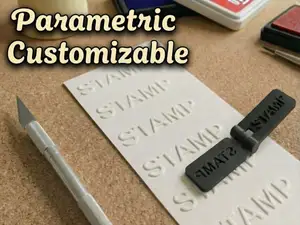


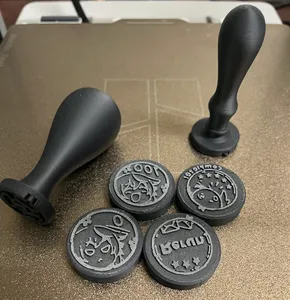

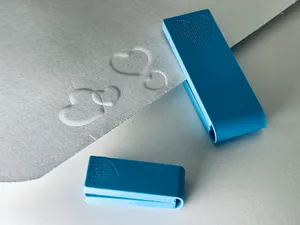
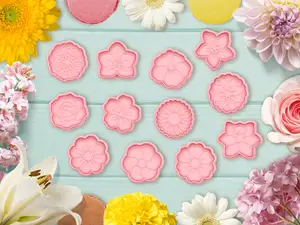

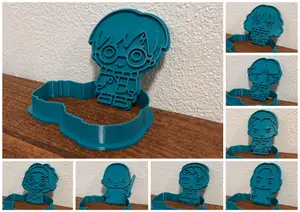
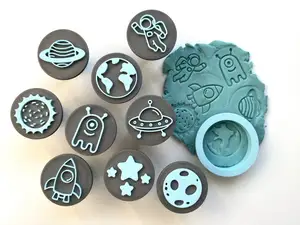
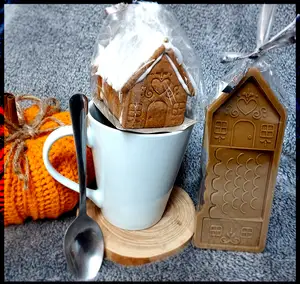


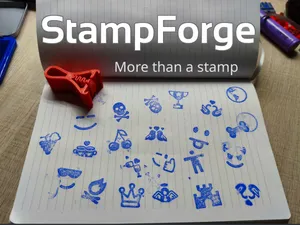
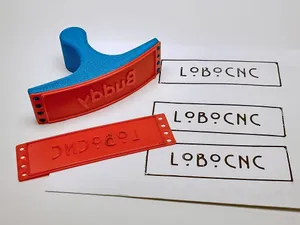
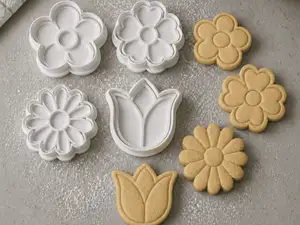
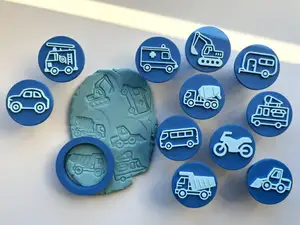


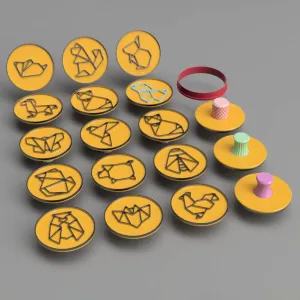


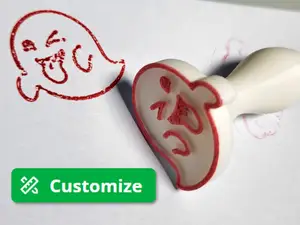

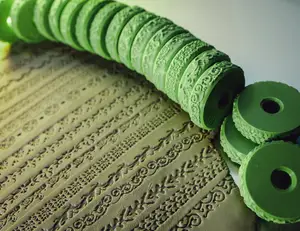


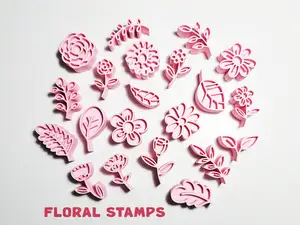
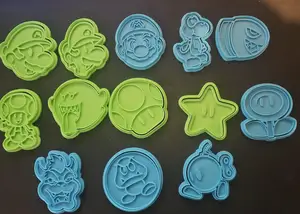
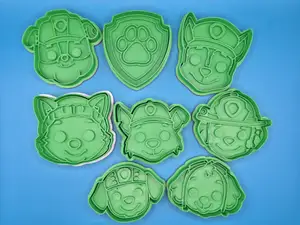

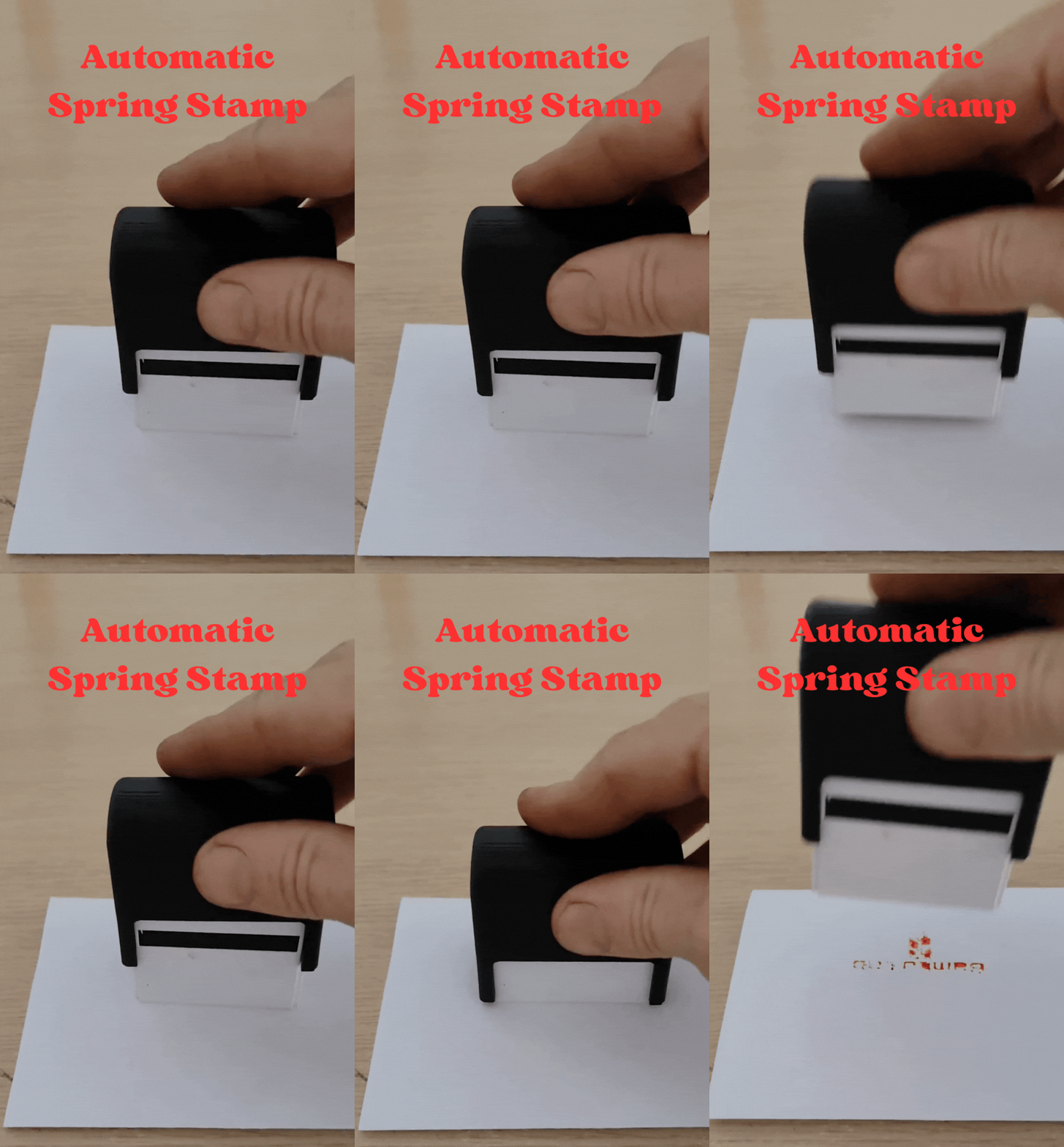
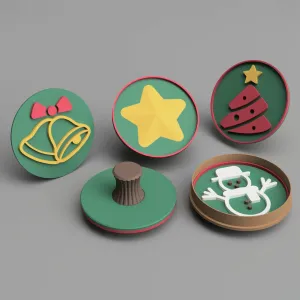
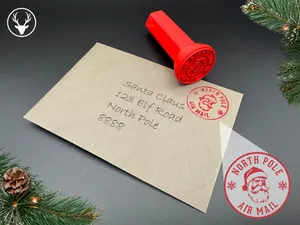
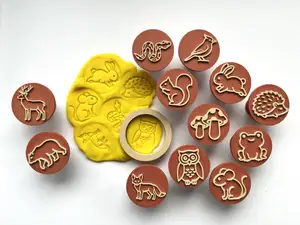
The entries differ mainly in what the stamp presses into and how the design is held. Text and mark stamps often take a separate insert or a generated plate that fits a common handle, while seal stamps are pressed into wax and are frequently a single piece with a grip. Cutter-and-stamp sets combine a shape that cuts an outline with a plate that presses a pattern into the surface.
Before printing, read the notes on the model page: overall size and scale, how many parts there are and how they join, and whether the file needs supports. The material and settings the author lists matter as much as the geometry, because a stamp pressed into dough behaves differently from one pressed onto paper. Photos of real prints show how fine the relief turns out after slicing.
If a search returns little, try the words people use for the same object: seal, embosser, punch, mark, monogram or press. Adding the surface or material narrows it further — wax, clay, leather, dough, paper — and a related term such as cookie cutter or playdough set brings up combined tools. How the design is generated, from typed text or from an image, is another way to split the results.


Le catalogue complet des thèmes, de la maison à la CNC, avec une recherche sur tous les sites connectés.