
Gratuit 
Princess Palace (Disney castle fan art)
Thingiverse
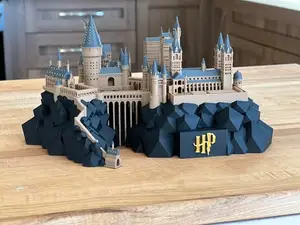
Castle and palace models cover a wide range: medieval fortresses and keeps, fairytale palaces, ice castles and tabletop terrain at fixed scales. Some files are display pieces, others are functional objects such as lamps or phone stands. Browsing the collection helps you compare how each author splits parts, sets scale and describes supports before you send anything to a 3D printer. Polyzon does not confirm whether models are free, their price, license, official status, affiliation, safety or fitness. Check the current terms at the source.
Le texte de cette collection est rédigé en anglais ; la recherche, elle, fonctionne dans toutes les langues.
 Une collection Polyzon · 48 modèles sur 4 plateformes
Polyzon compose cette collection à partir des résultats de recherche des plateformes connectées. Les doublons et les modèles sans aperçu sont retirés, les correspondances faibles sont placées à la fin, et le reste suit l’ordre de la recherche. Les modèles appartiennent à leurs auteurs : consultez les conditions sur la page de chaque modèle.
Règles de sélection : la rédaction de Polyzon · Texte mis à jour le 14/10/2026


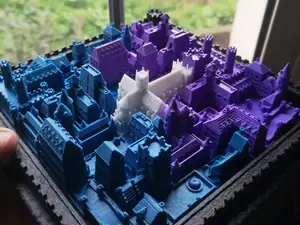


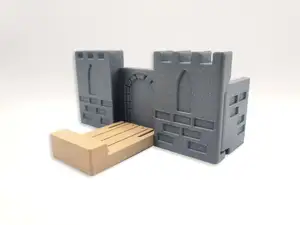
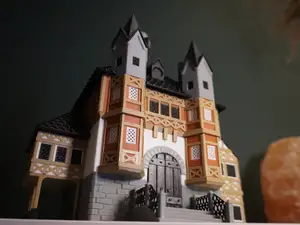


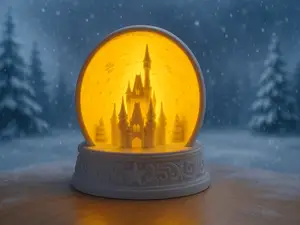


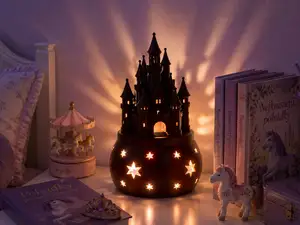


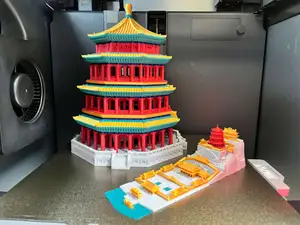


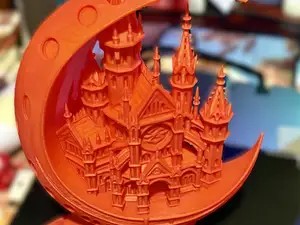


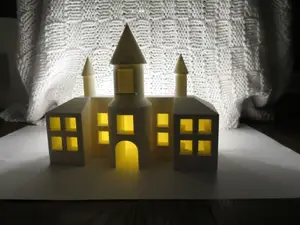





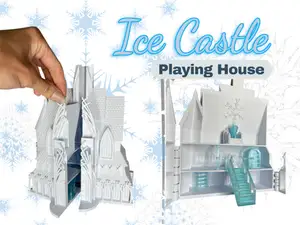


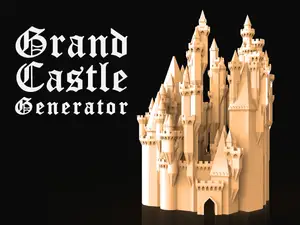


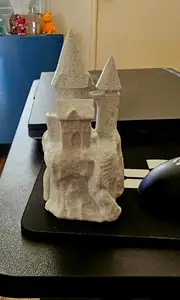


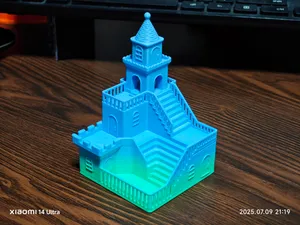
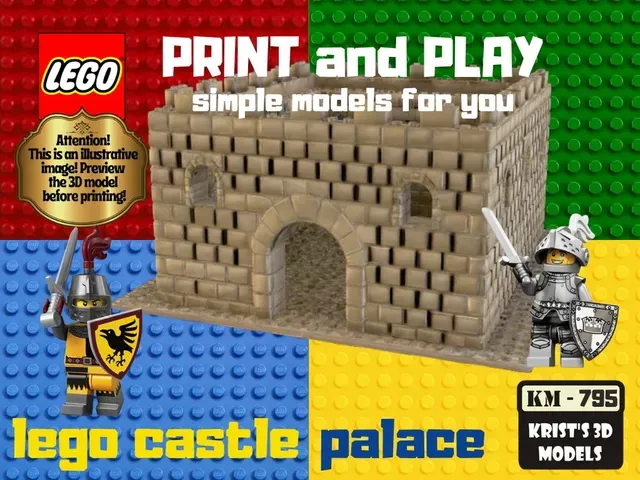
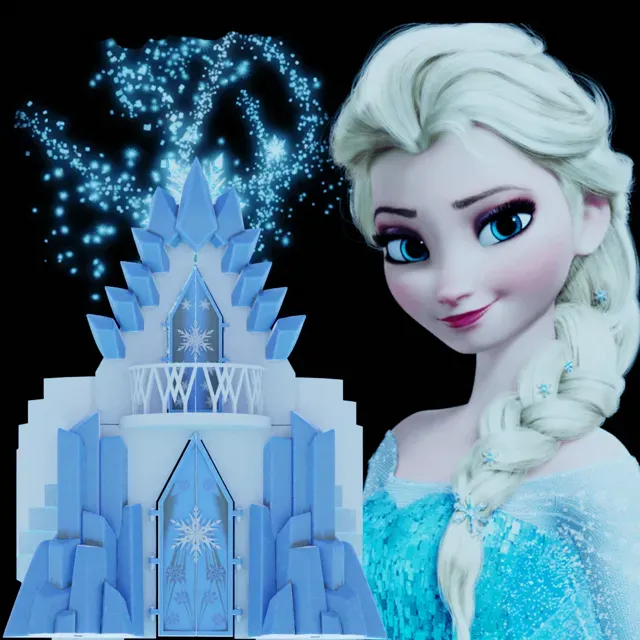
Medieval castle designs usually follow historical or wargame conventions: walls, towers, gatehouses and courtyards, often split into modules so a larger structure can be built from repeated pieces. Fantasy palaces lean toward ornament, with spires, domes, curved facades and decorative columns. Ice and winter palaces sit between the two, with smooth surfaces and shapes that many people print in light or translucent filament. Terrain sets appear at fixed scales such as 28 mm or 18 mm, where one tile or building fits an existing board.
On the author's model page, check the overall size and scale first, then the number of parts and how they join; a palace made of dozens of separate spires takes far longer to assemble than a single-piece tower. Look at whether the author lists supports, layer height, wall count and material, and whether photos of real prints are included. Battlements, thin flags and open windows are the places that usually need attention, so plan orientation and, if necessary, cut the model into smaller sections.
Search terms shape what you find: "castle" and "fortress" return defensive structures, while "palace", "chateau" and "residence" bring up grander buildings; adding "terrain", "diorama" or a scale narrows results to tabletop use. Related queries such as "tower", "gatehouse", "keep", "cathedral" or "medieval town" widen the pool when a topic feels thin. Pairing a theme with a function — lamp, phone stand, ornament — surfaces models meant to be handled rather than only displayed.



Le catalogue complet des thèmes, de la maison à la CNC, avec une recherche sur tous les sites connectés.