
免费 
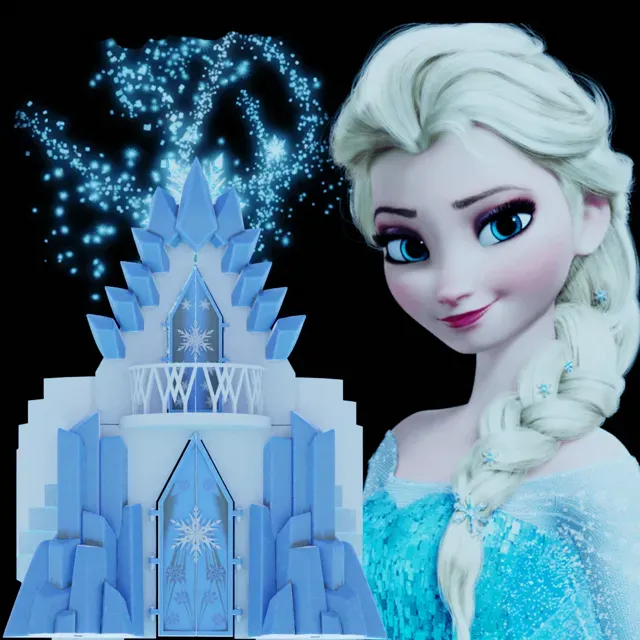
Princess Palace (Disney castle fan art)
Thingiverse
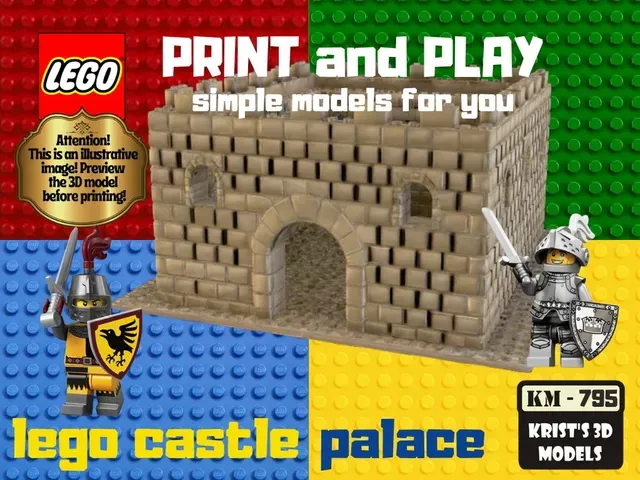
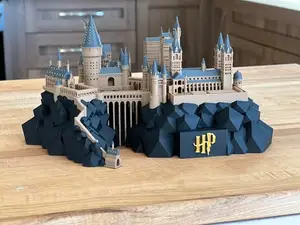
Castle and palace models cover a wide range: medieval fortresses and keeps, fairytale palaces, ice castles and tabletop terrain at fixed scales. Some files are display pieces, others are functional objects such as lamps or phone stands. Browsing the collection helps you compare how each author splits parts, sets scale and describes supports before you send anything to a 3D printer. Polyzon does not confirm whether models are free, their price, license, official status, affiliation, safety or fitness. Check the current terms at the source.
本合集的文字为英文,搜索本身支持任何语言。
 Polyzon合集 · 48个模型 来自4个平台
此合集由Polyzon根据已接入平台的搜索结果整理而成:去除重复项和没有预览图的模型,匹配度低的排在最后,其余按搜索结果顺序排列。模型归作者所有——请在各模型页面查看使用条款。
筛选规则:Polyzon编辑部 · 文字更新于2026年10月14日
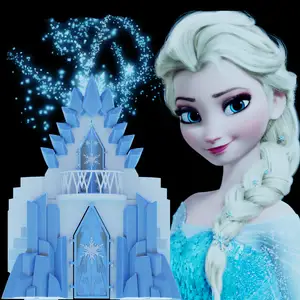


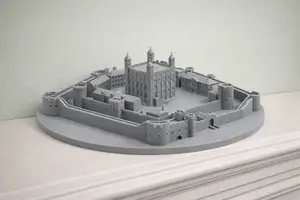
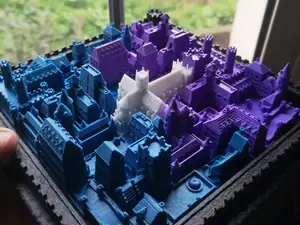


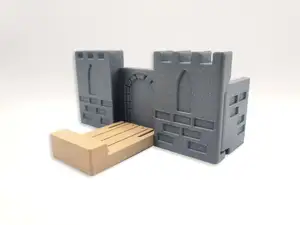
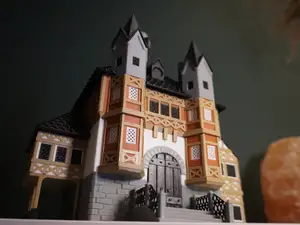


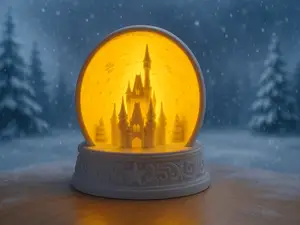


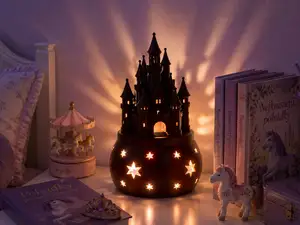


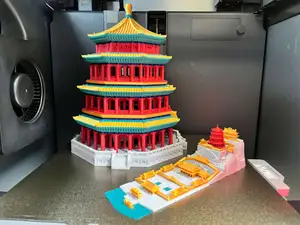


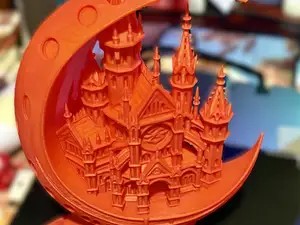


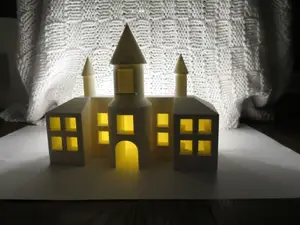





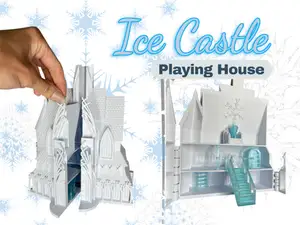


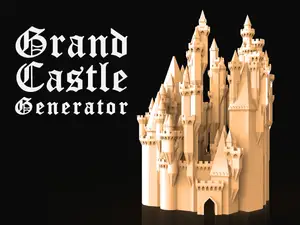


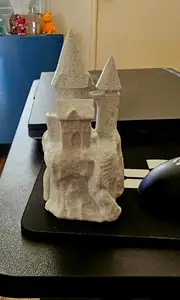


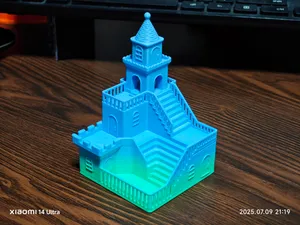
Medieval castle designs usually follow historical or wargame conventions: walls, towers, gatehouses and courtyards, often split into modules so a larger structure can be built from repeated pieces. Fantasy palaces lean toward ornament, with spires, domes, curved facades and decorative columns. Ice and winter palaces sit between the two, with smooth surfaces and shapes that many people print in light or translucent filament. Terrain sets appear at fixed scales such as 28 mm or 18 mm, where one tile or building fits an existing board.
On the author's model page, check the overall size and scale first, then the number of parts and how they join; a palace made of dozens of separate spires takes far longer to assemble than a single-piece tower. Look at whether the author lists supports, layer height, wall count and material, and whether photos of real prints are included. Battlements, thin flags and open windows are the places that usually need attention, so plan orientation and, if necessary, cut the model into smaller sections.
Search terms shape what you find: "castle" and "fortress" return defensive structures, while "palace", "chateau" and "residence" bring up grander buildings; adding "terrain", "diorama" or a scale narrows results to tabletop use. Related queries such as "tower", "gatehouse", "keep", "cathedral" or "medieval town" widen the pool when a topic feels thin. Pairing a theme with a function — lamp, phone stand, ornament — surfaces models meant to be handled rather than only displayed.
完整的主题目录:从家居日用到CNC,均可在已接入的来源平台中搜索。