
Gratis 
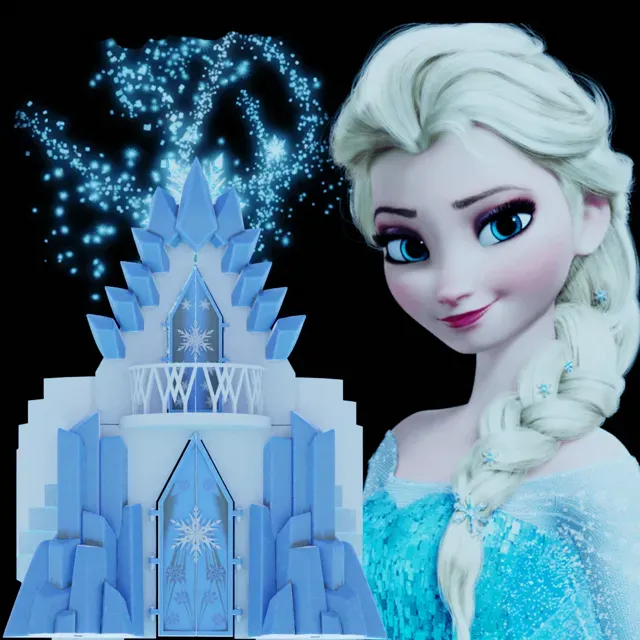
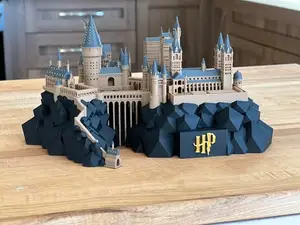
Princess Palace (Disney castle fan art)
Thingiverse
Castle and palace models cover a wide range: medieval fortresses and keeps, fairytale palaces, ice castles and tabletop terrain at fixed scales. Some files are display pieces, others are functional objects such as lamps or phone stands. Browsing the collection helps you compare how each author splits parts, sets scale and describes supports before you send anything to a 3D printer. Polyzon does not confirm whether models are free, their price, license, official status, affiliation, safety or fitness. Check the current terms at the source.
Il testo di questa raccolta è in inglese; la ricerca funziona in qualsiasi lingua.
 Una raccolta di Polyzon · 48 modelli da 4 siti
Polyzon compone questa raccolta a partire dai risultati di ricerca dei siti collegati. I doppioni e i modelli senza anteprima vengono rimossi, le corrispondenze deboli finiscono in fondo e il resto mantiene l’ordine dei risultati. I modelli appartengono ai rispettivi autori: verifica le condizioni sulla pagina di ciascun modello.
Criteri di selezione a cura della redazione di Polyzon · Testo aggiornato: 14/10/2026


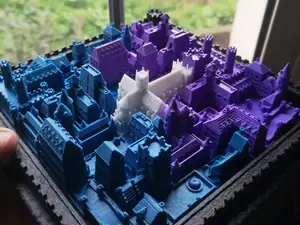


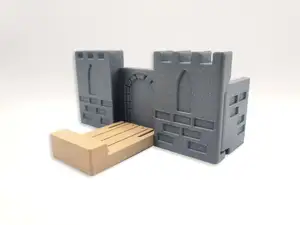
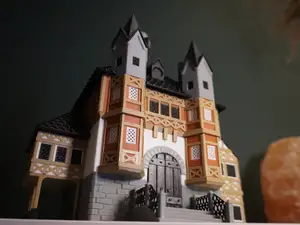


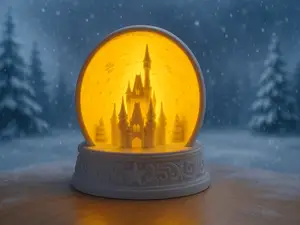


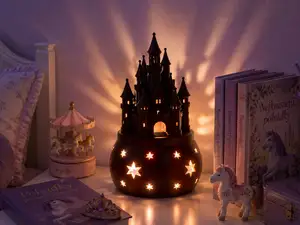


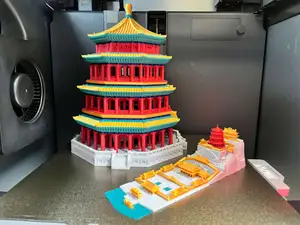


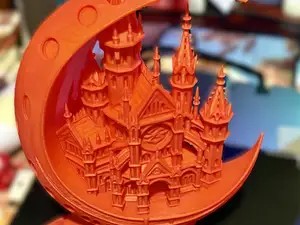


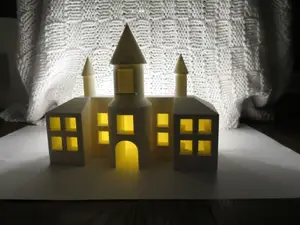





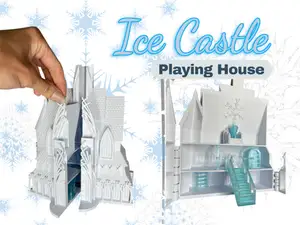


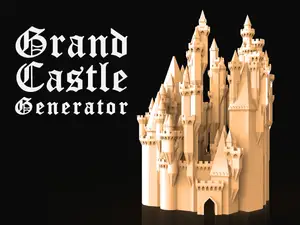


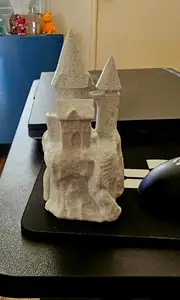


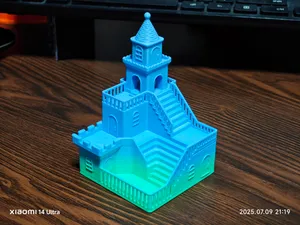
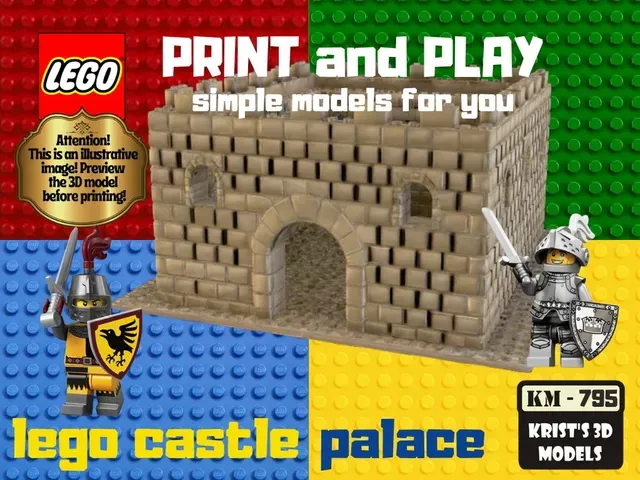
Medieval castle designs usually follow historical or wargame conventions: walls, towers, gatehouses and courtyards, often split into modules so a larger structure can be built from repeated pieces. Fantasy palaces lean toward ornament, with spires, domes, curved facades and decorative columns. Ice and winter palaces sit between the two, with smooth surfaces and shapes that many people print in light or translucent filament. Terrain sets appear at fixed scales such as 28 mm or 18 mm, where one tile or building fits an existing board.
On the author's model page, check the overall size and scale first, then the number of parts and how they join; a palace made of dozens of separate spires takes far longer to assemble than a single-piece tower. Look at whether the author lists supports, layer height, wall count and material, and whether photos of real prints are included. Battlements, thin flags and open windows are the places that usually need attention, so plan orientation and, if necessary, cut the model into smaller sections.
Search terms shape what you find: "castle" and "fortress" return defensive structures, while "palace", "chateau" and "residence" bring up grander buildings; adding "terrain", "diorama" or a scale narrows results to tabletop use. Related queries such as "tower", "gatehouse", "keep", "cathedral" or "medieval town" widen the pool when a topic feels thin. Pairing a theme with a function — lamp, phone stand, ornament — surfaces models meant to be handled rather than only displayed.



Il catalogo completo dei temi, dalla casa alla lavorazione CNC, con ricerca su tutti i siti collegati.