
Gratis 
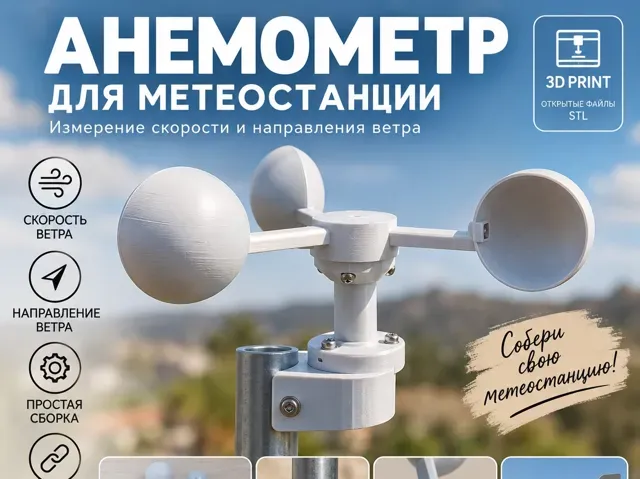
Анемометр с датчиком на эффекте Холла
Cults3D
This collection gathers 3D models related to anemometers: complete wind gauges, replacement rotors and blades, housings for handheld meters, and parts of weather station assemblies. It is useful when a stock part has broken, when you are building a wind sensor from scratch, or when you want to adapt an existing meter for 3D printing. The listings come from several platforms, so the level of documentation varies from model to model. Polyzon does not confirm whether models are free, their price, license, official status, affiliation, safety or fitness. Check the current terms at the source.
Il testo di questa raccolta è in inglese; la ricerca funziona in qualsiasi lingua.
 Una raccolta di Polyzon · 46 modelli da 7 siti
Polyzon compone questa raccolta a partire dai risultati di ricerca dei siti collegati. I doppioni e i modelli senza anteprima vengono rimossi, le corrispondenze deboli finiscono in fondo e il resto mantiene l’ordine dei risultati. I modelli appartengono ai rispettivi autori: verifica le condizioni sulla pagina di ciascun modello.
Criteri di selezione a cura della redazione di Polyzon · Testo aggiornato: 13/10/2026




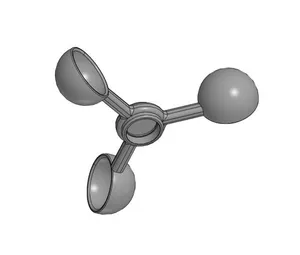

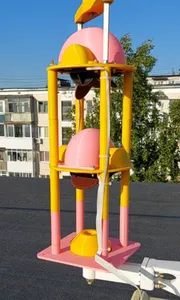
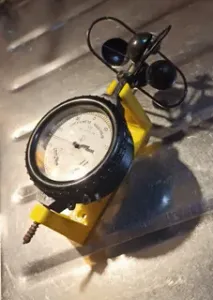

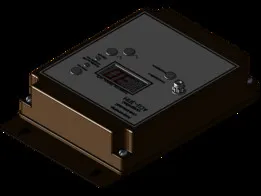


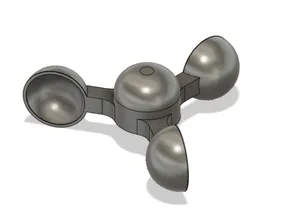

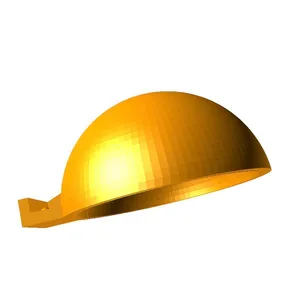




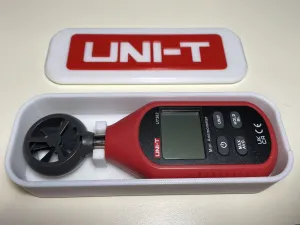
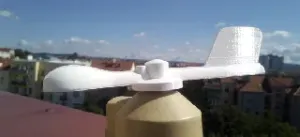
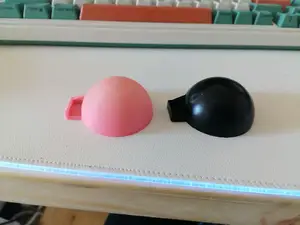


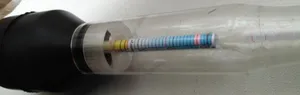

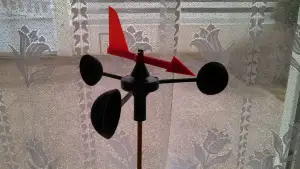
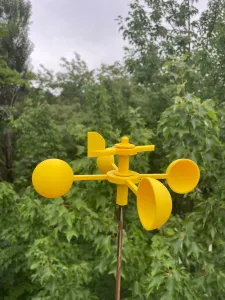


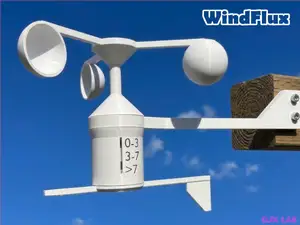
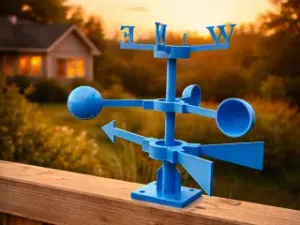


The models fall into a few distinct groups. Complete anemometers range from simple spinning wind gauges to designs that combine a rotor with a sensor or a microcontroller. Replacement parts are usually just the impeller, the blades or a single bracket, meant to fit a specific meter body. Cases and holders are shaped around a handheld instrument, while weather station sets add a wind vane or a direction sensor next to the speed sensor.
Before printing, read the author's page for the dimensions that decide whether a part will fit: shaft or hub diameter, bearing seat, blade diameter and pitch, and the number of separate pieces. Check whether the design needs supports and how the parts are joined, and look at the material and settings the author lists, since outdoor use exposes a printed part to sun and moisture. Photos of real prints are more informative than renders alone.
If the results are thin, try other wordings: wind gauge, wind speed meter, cup anemometer, vane, impeller, rotor or paddle wheel. Related searches such as weather station enclosure, sensor mount, tripod adapter or micro:bit project often surface parts that a plain anemometer query misses. Combining the instrument name with the part you need, for example a blade or a case, narrows the list quickly.



Il catalogo completo dei temi, dalla casa alla lavorazione CNC, con ricerca su tutti i siti collegati.

