
Gratis 
Smart compact temperature calibration tower
Thingiverse
This collection gathers STL files for temperature towers, bridging tests, stringing checks, and G-code helpers used in 3D printing. It helps you compare how a filament behaves across a temperature range before committing to a larger print. Some entries are compact single tests, while others bundle several calibration steps. Polyzon does not confirm whether models are free, their price, license, official status, affiliation, safety or fitness. Check the current terms at the source.
Il testo di questa raccolta è in inglese; la ricerca funziona in qualsiasi lingua.
 Una raccolta di Polyzon · 48 modelli da 7 siti
Polyzon compone questa raccolta a partire dai risultati di ricerca dei siti collegati. I doppioni e i modelli senza anteprima vengono rimossi, le corrispondenze deboli finiscono in fondo e il resto mantiene l’ordine dei risultati. I modelli appartengono ai rispettivi autori: verifica le condizioni sulla pagina di ciascun modello.
Criteri di selezione a cura della redazione di Polyzon · Testo aggiornato: 12/10/2026




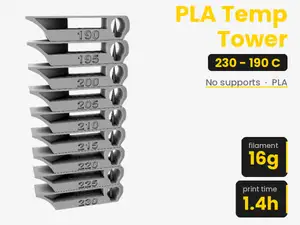


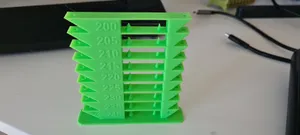
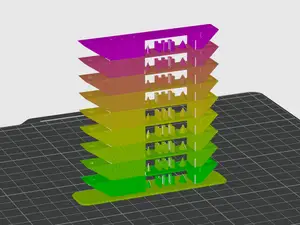


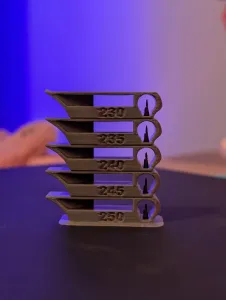

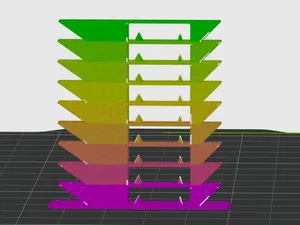
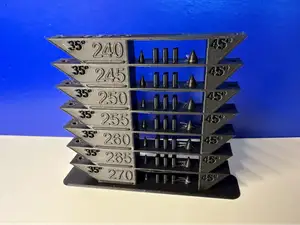
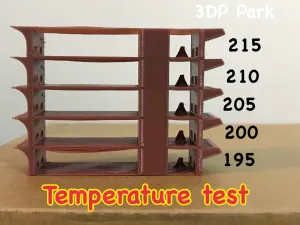


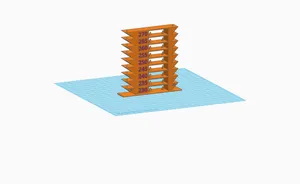

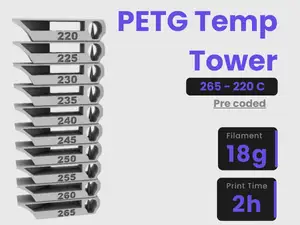
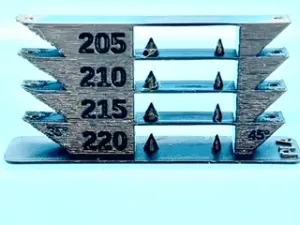

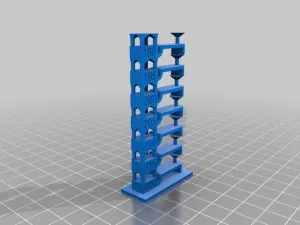


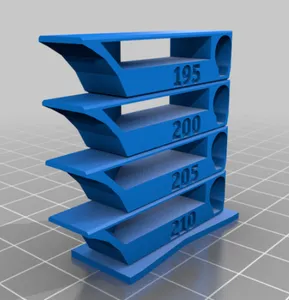
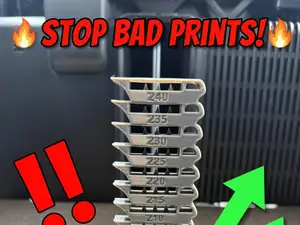


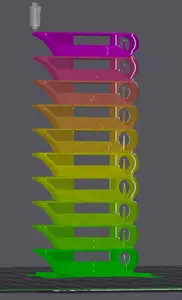
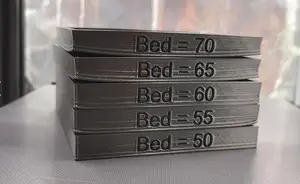
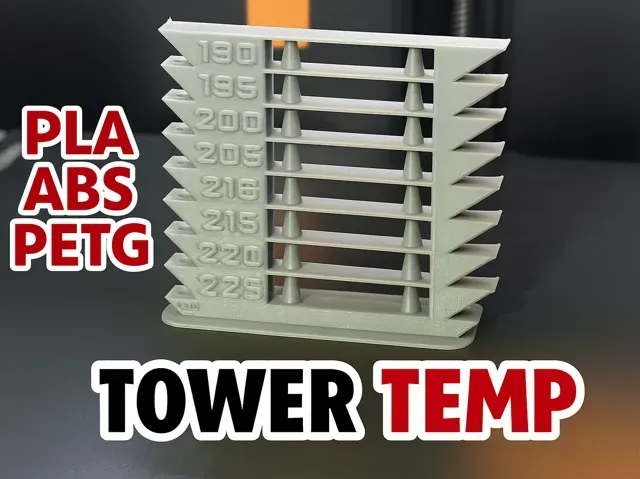
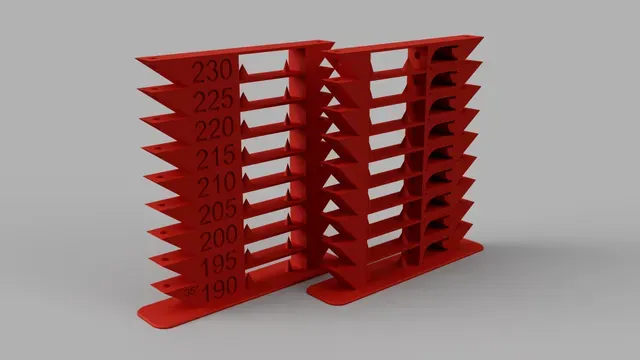
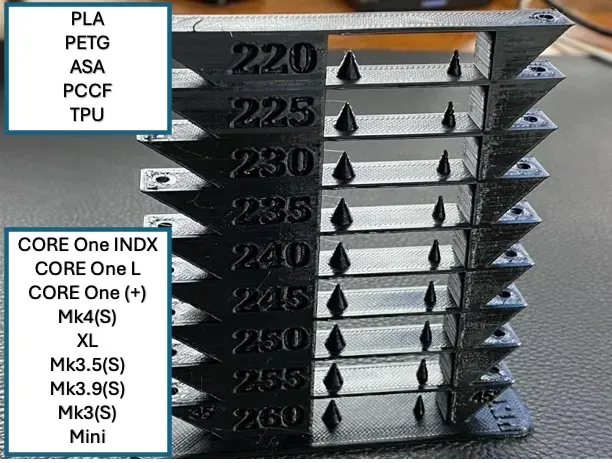
Temperature towers usually step through a range of nozzle temperatures in one print, so you can see where layers bond cleanly, where stringing appears, and where bridging sags. Bridging and stringing blocks isolate those effects with gaps, spans, and thin pillars. All-in-one pieces combine temperature steps with bridging or stringing sections, while material-specific files list ranges for PLA, PETG, ABS, ASA, TPU, or other filaments.
When choosing a model, look at the temperature range and step size, the number of sections, and whether the file includes a pre-made G-code profile or expects you to edit temperatures yourself. Check the author's notes for nozzle size, layer height, material, and any required supports or brim. Photos of real prints can show how clearly the tower labels temperatures and how the test sections are arranged.
To refine a search, try terms such as temp tower, temperature calibration, bridging test, stringing test, and G-code editor. Related topics include retraction tests, flow calibration, and filament-specific tuning. Adding a material name or a printer profile name to the query can narrow results, but always verify the details on the model page.




Il catalogo completo dei temi, dalla casa alla lavorazione CNC, con ricerca su tutti i siti collegati.