
Gratis 
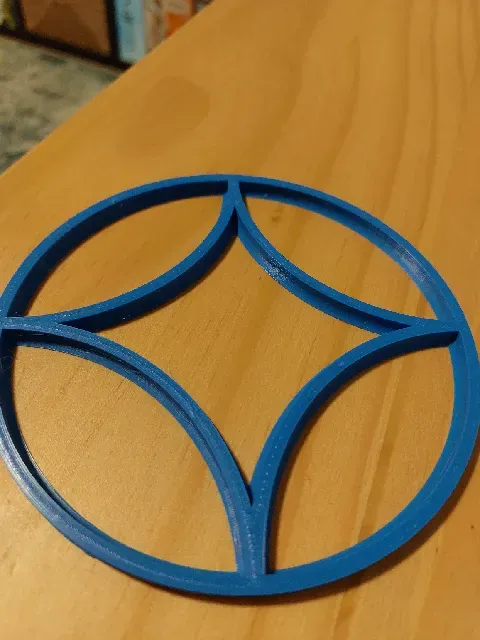
Rhombus tile mold
Thingiverse
This collection gathers 3D models for making tiles: casting molds, stamps and cutters for clay, cement, plaster, resin and even dough. The files cover decorative wall pieces, tabletop terrain and small motif stamps, so a 3D printer can produce the tooling rather than the tile itself. Polyzon does not confirm whether models are free, their price, license, official status, affiliation, safety or fitness. Check the current terms at the source.
Il testo di questa raccolta è in inglese; la ricerca funziona in qualsiasi lingua.
 Una raccolta di Polyzon · 48 modelli da 4 siti
Polyzon compone questa raccolta a partire dai risultati di ricerca dei siti collegati. I doppioni e i modelli senza anteprima vengono rimossi, le corrispondenze deboli finiscono in fondo e il resto mantiene l’ordine dei risultati. I modelli appartengono ai rispettivi autori: verifica le condizioni sulla pagina di ciascun modello.
Criteri di selezione a cura della redazione di Polyzon · Testo aggiornato: 14/10/2026




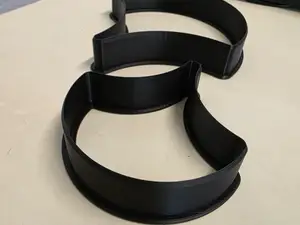


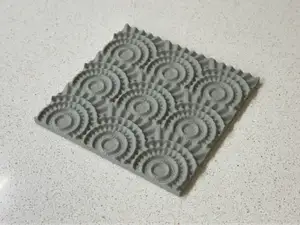


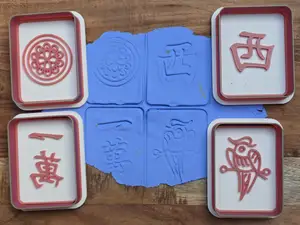


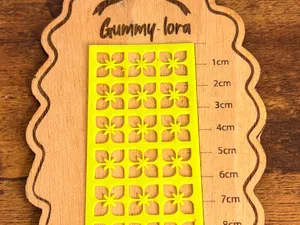


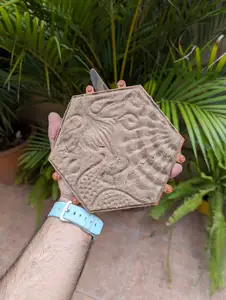


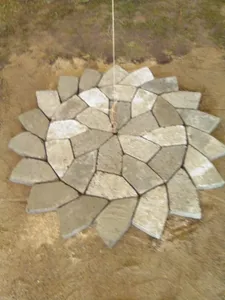
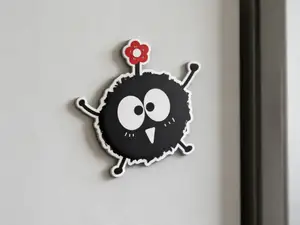



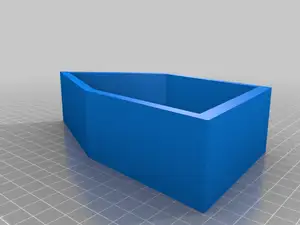


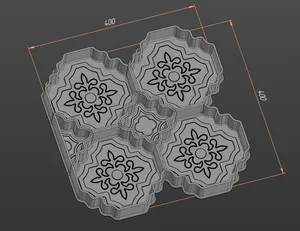
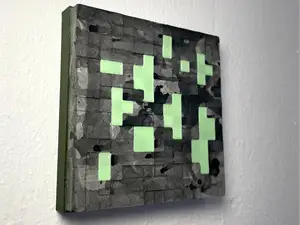


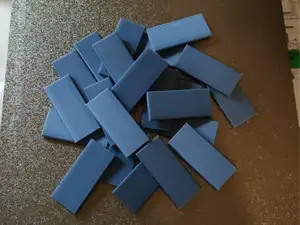

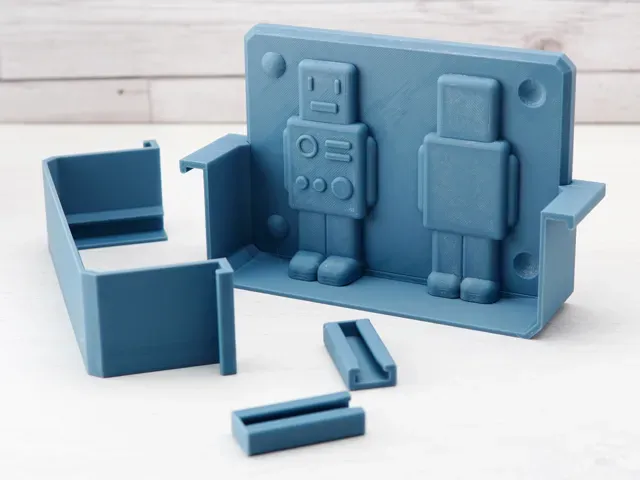
The models fall into a few groups. Open molds are printed as a negative cavity and filled with clay, plaster or cement, while stamp-style pieces press a motif into a flat surface. Terrain molds are usually sized to a fixed grid so the finished tiles line up on a table, and decorative wall molds tend to be larger and thinner.
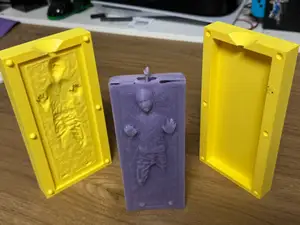
When you open a model page, check the outer dimensions and the wall thickness of the mold, since a thin wall flexes more easily when you demold but can distort under a heavy pour. Look at how many parts the mold has, whether it is printed in one piece or assembled, and whether the author lists a material and layer height. Photos of actual casts are more informative than renders, because they show shrinkage, surface finish and how the motif reads in the final tile.
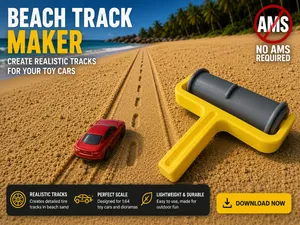
To widen the search, try terms such as casting mold, plaster mold, tile stamp, texture roller or paver mold, and combine them with the material you plan to use. Related topics include soap and resin molds, cookie cutters, terrain tiles and decorative wall panels, which often share the same geometry and printing approach.


Il catalogo completo dei temi, dalla casa alla lavorazione CNC, con ricerca su tutti i siti collegati.