
免费 
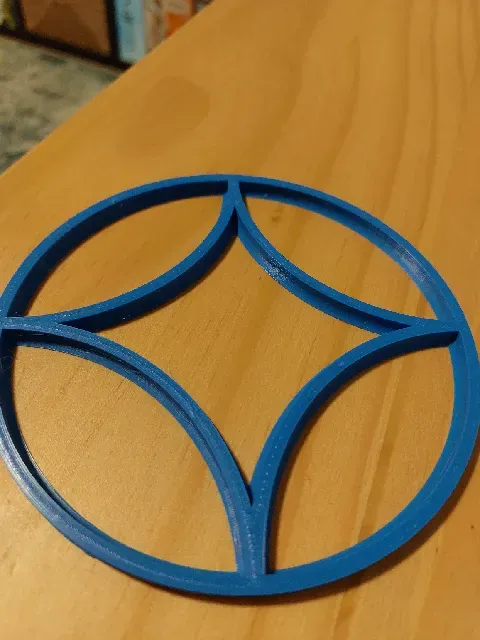
Rhombus tile mold
Thingiverse
This collection gathers 3D models for making tiles: casting molds, stamps and cutters for clay, cement, plaster, resin and even dough. The files cover decorative wall pieces, tabletop terrain and small motif stamps, so a 3D printer can produce the tooling rather than the tile itself. Polyzon does not confirm whether models are free, their price, license, official status, affiliation, safety or fitness. Check the current terms at the source.
本合集的文字为英文,搜索本身支持任何语言。
 Polyzon合集 · 48个模型 来自4个平台
此合集由Polyzon根据已接入平台的搜索结果整理而成:去除重复项和没有预览图的模型,匹配度低的排在最后,其余按搜索结果顺序排列。模型归作者所有——请在各模型页面查看使用条款。
筛选规则:Polyzon编辑部 · 文字更新于2026年10月14日
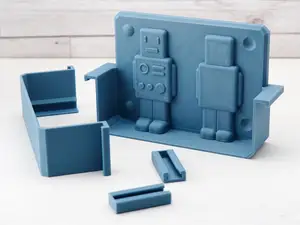


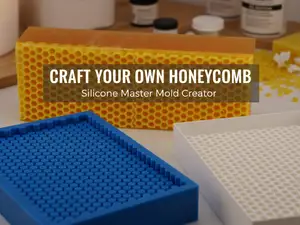


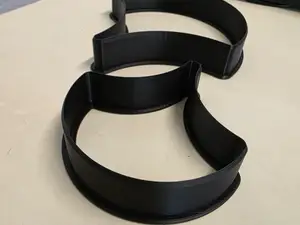


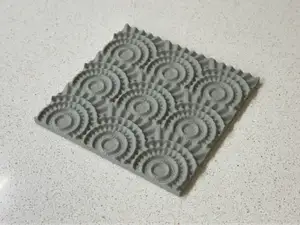


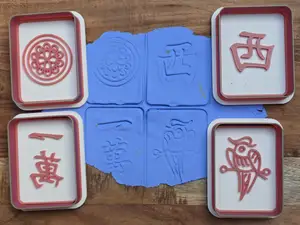


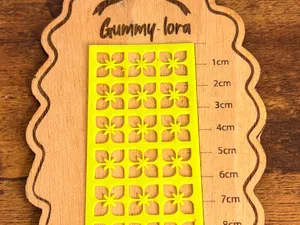


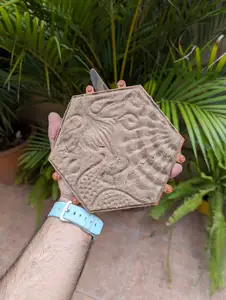


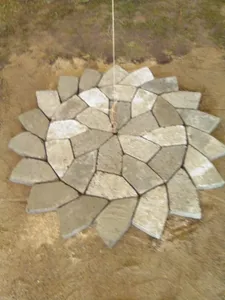
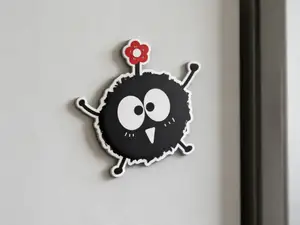



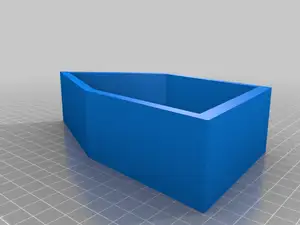
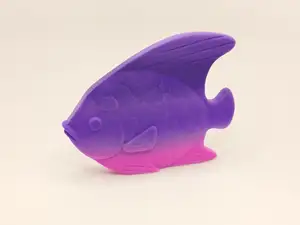


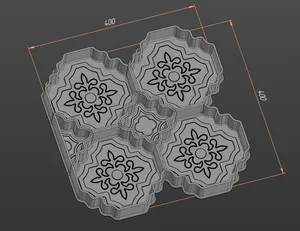
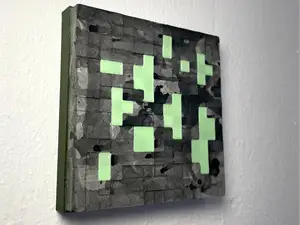


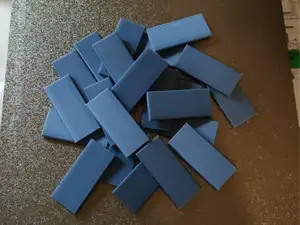

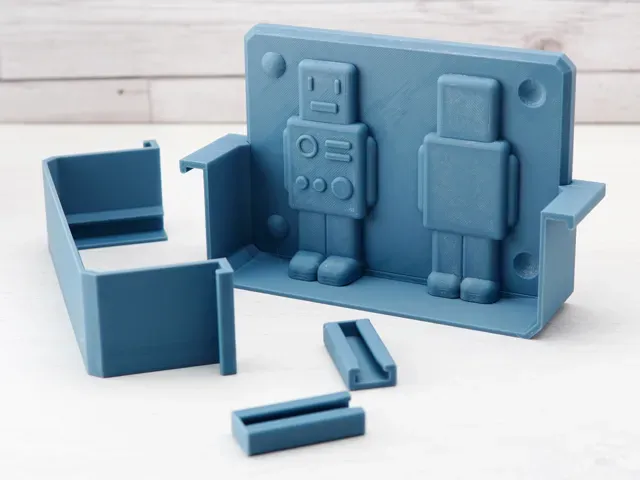
The models fall into a few groups. Open molds are printed as a negative cavity and filled with clay, plaster or cement, while stamp-style pieces press a motif into a flat surface. Terrain molds are usually sized to a fixed grid so the finished tiles line up on a table, and decorative wall molds tend to be larger and thinner.
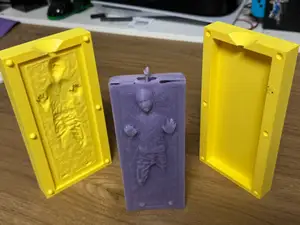
When you open a model page, check the outer dimensions and the wall thickness of the mold, since a thin wall flexes more easily when you demold but can distort under a heavy pour. Look at how many parts the mold has, whether it is printed in one piece or assembled, and whether the author lists a material and layer height. Photos of actual casts are more informative than renders, because they show shrinkage, surface finish and how the motif reads in the final tile.
To widen the search, try terms such as casting mold, plaster mold, tile stamp, texture roller or paver mold, and combine them with the material you plan to use. Related topics include soap and resin molds, cookie cutters, terrain tiles and decorative wall panels, which often share the same geometry and printing approach.
完整的主题目录:从家居日用到CNC,均可在已接入的来源平台中搜索。