
Grátis 
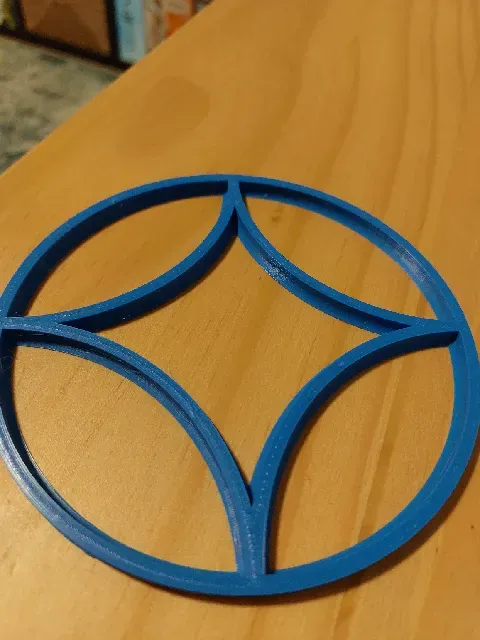
Rhombus tile mold
Thingiverse
This collection gathers 3D models for making tiles: casting molds, stamps and cutters for clay, cement, plaster, resin and even dough. The files cover decorative wall pieces, tabletop terrain and small motif stamps, so a 3D printer can produce the tooling rather than the tile itself. Polyzon does not confirm whether models are free, their price, license, official status, affiliation, safety or fitness. Check the current terms at the source.
O texto desta coleção está em inglês; a busca funciona em qualquer idioma.
 Uma coleção do Polyzon · 48 modelos de 4 sites
O Polyzon monta esta coleção a partir dos resultados de busca dos sites conectados. Repetições e modelos sem prévia são removidos, correspondências fracas vão para o final e o restante segue a ordem da busca. Os modelos pertencem aos seus autores — confira os termos na página de cada modelo.
Regras de seleção: equipe editorial do Polyzon · Texto atualizado em 14/10/2026




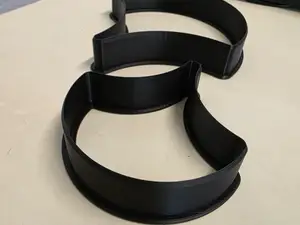


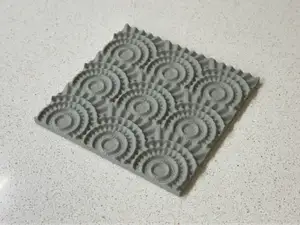


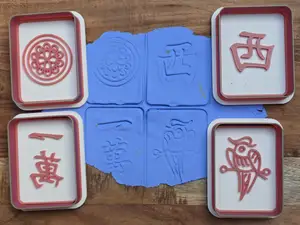


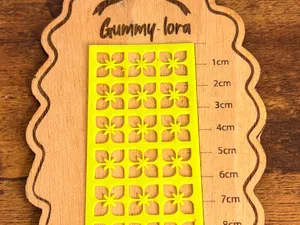


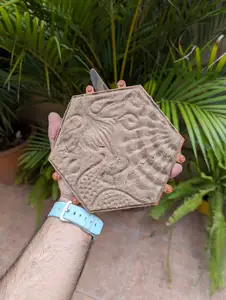


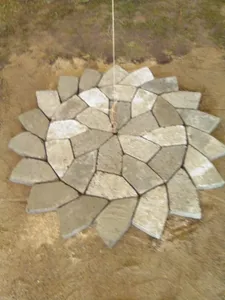
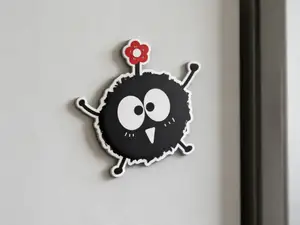



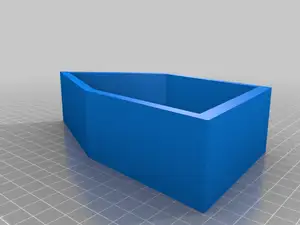


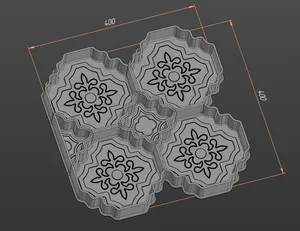
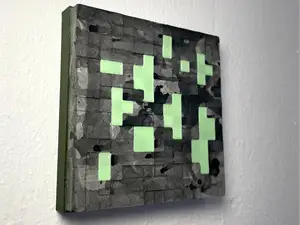


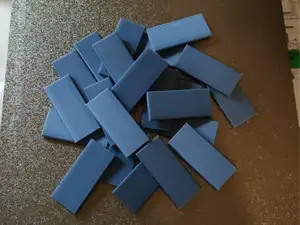

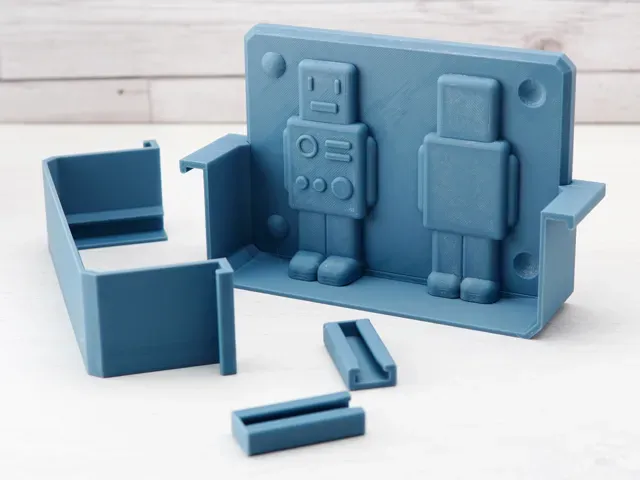
The models fall into a few groups. Open molds are printed as a negative cavity and filled with clay, plaster or cement, while stamp-style pieces press a motif into a flat surface. Terrain molds are usually sized to a fixed grid so the finished tiles line up on a table, and decorative wall molds tend to be larger and thinner.
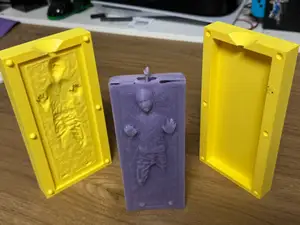
When you open a model page, check the outer dimensions and the wall thickness of the mold, since a thin wall flexes more easily when you demold but can distort under a heavy pour. Look at how many parts the mold has, whether it is printed in one piece or assembled, and whether the author lists a material and layer height. Photos of actual casts are more informative than renders, because they show shrinkage, surface finish and how the motif reads in the final tile.
To widen the search, try terms such as casting mold, plaster mold, tile stamp, texture roller or paver mold, and combine them with the material you plan to use. Related topics include soap and resin molds, cookie cutters, terrain tiles and decorative wall panels, which often share the same geometry and printing approach.



O catálogo completo de temas — de casa e utilidades a CNC, com busca em todos os sites conectados.