無料 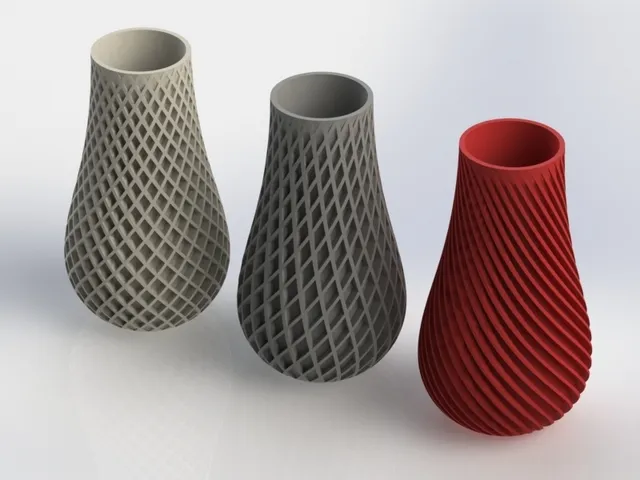
Spiral Vase
Pinshape
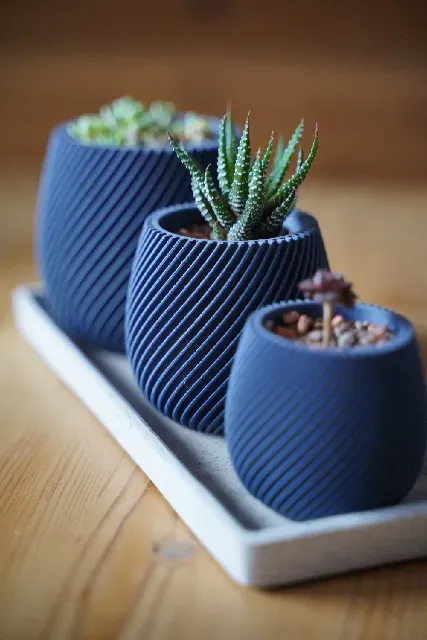
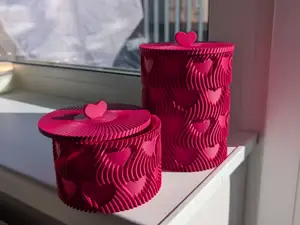
This collection gathers 3D models for vases, planters and small pots, from spiral and geometric shapes to low-poly planters and self-watering designs. It is useful when you want a container for a plant, a decorative piece or a small holder and prefer to print it yourself. Each entry leads to the author's page, where the STL files and printing notes are published. Polyzon does not confirm whether models are free, their price, license, official status, affiliation, safety or fitness. Check the current terms at the source.
このコレクションの本文は英語で書かれています。検索自体はどの言語でも使えます。
 Polyzonのコレクション · モデル48件 7サイトから収集
このコレクションは、Polyzonが対応サイトの検索結果をもとに作成しています。重複やプレビューのないモデルは除外し、関連性の低いものは後ろに回し、それ以外は検索結果の順に並べています。モデルの権利は各作者にあります。利用条件は各モデルのページでご確認ください。
選定基準:Polyzon編集部 · 本文の更新日:2026年10月13日


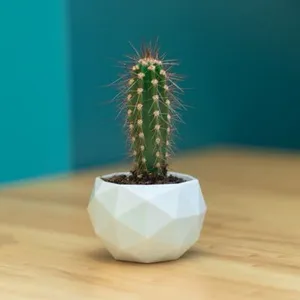
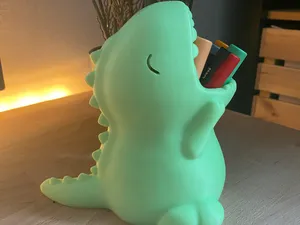
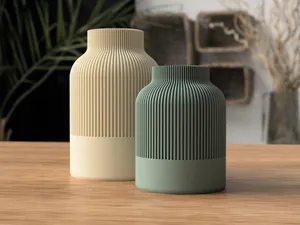


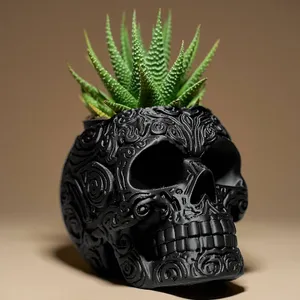

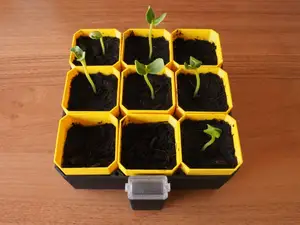
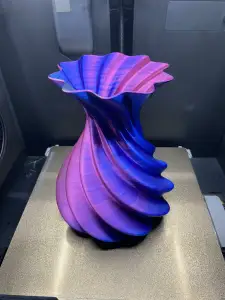


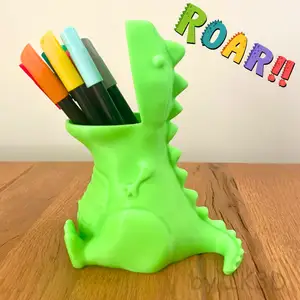


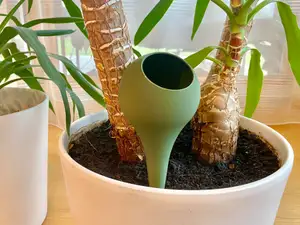
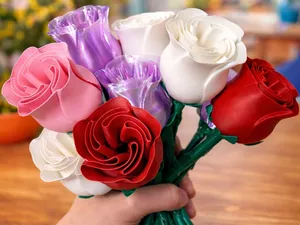
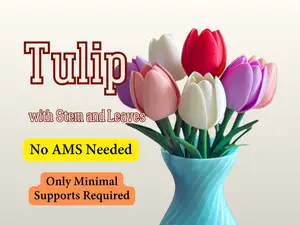


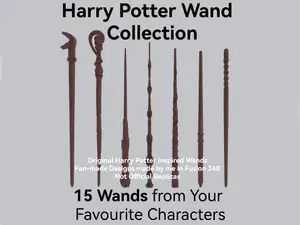
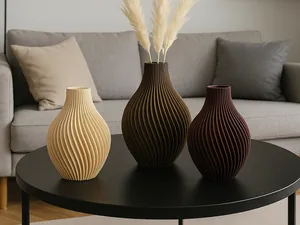


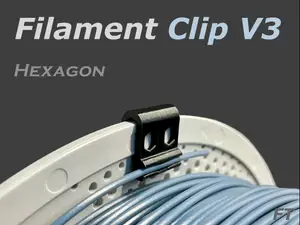
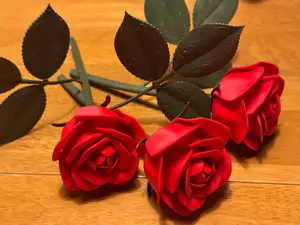
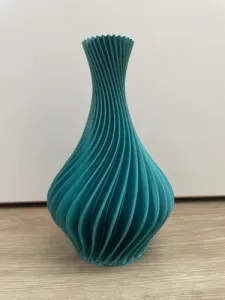


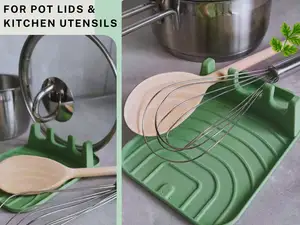
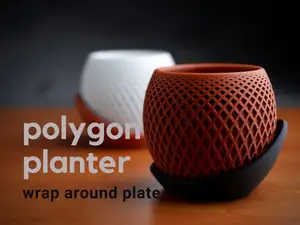
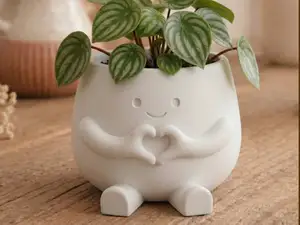


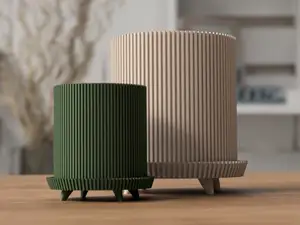

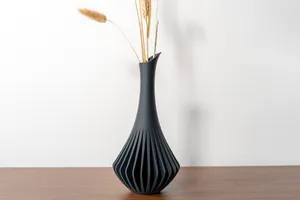


The range splits into a few groups. Spiral and faceted vases are usually tall, thin-walled and printed in vase mode, while low-poly planters and pot covers are shorter, with flat faces and wider tops. Self-watering planters and seed starters add an inner reservoir or a wick, and novelty items such as pencil holders or shaped pots trade a plain silhouette for a recognisable figure.
Before printing, open the model page and read what the author lists: overall size and scale, wall thickness, number of parts, whether supports are needed, and the material and settings used. For anything meant to hold water or soil, check how the base and seams are modelled and whether the author shows photos of real prints. A test print at reduced scale helps confirm wall thickness and fit before committing to a full-size version.
If the results feel narrow, try related wording: planter, flower pot, cachepot, pot cover, seed starter, hydroponic, wall mount, or vase mode. Style terms such as geometric, honeycomb, origami, japandi or low poly also pull in different designs, and searching by intended use — desk, windowsill, balcony — brings up smaller or hanging variants.
Vase mode prints are quick and use little material, but they leave a single wall, so they suit dry arrangements or a separate inner container more than wet soil. Thicker-walled planters take longer and need more filament, yet they hold shape better under the weight of soil and roots. Decide first whether the object is decorative or functional, then filter the results by size and by the printing method the author describes.
暮らし・日用品からCNCまで、すべてのテーマをそろえたカタログ。対応サイトを横断して検索できます。