免费 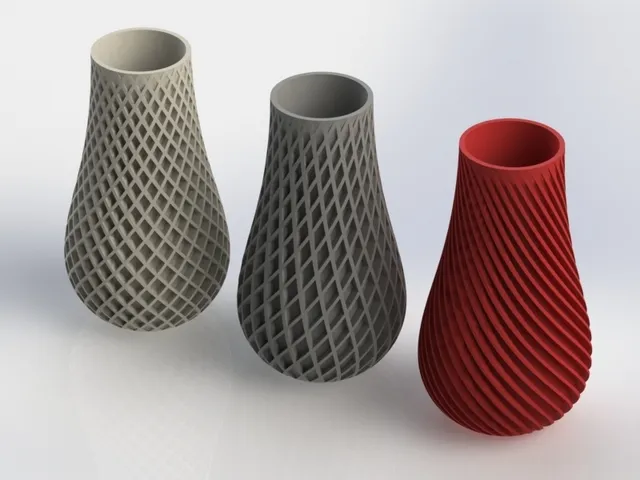
Spiral Vase
Pinshape
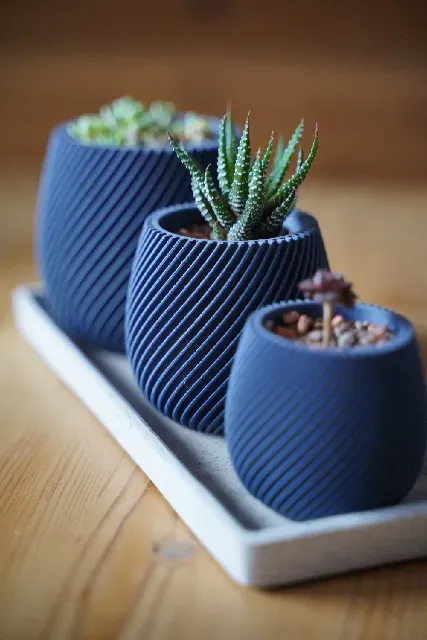
This collection gathers 3D models for vases, planters and small pots, from spiral and geometric shapes to low-poly planters and self-watering designs. It is useful when you want a container for a plant, a decorative piece or a small holder and prefer to print it yourself. Each entry leads to the author's page, where the STL files and printing notes are published. Polyzon does not confirm whether models are free, their price, license, official status, affiliation, safety or fitness. Check the current terms at the source.
本合集的文字为英文,搜索本身支持任何语言。
 Polyzon合集 · 48个模型 来自7个平台
此合集由Polyzon根据已接入平台的搜索结果整理而成:去除重复项和没有预览图的模型,匹配度低的排在最后,其余按搜索结果顺序排列。模型归作者所有——请在各模型页面查看使用条款。
筛选规则:Polyzon编辑部 · 文字更新于2026年10月13日


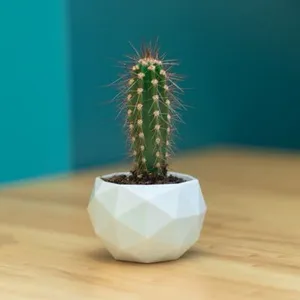
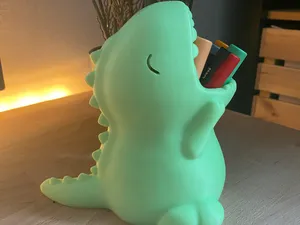
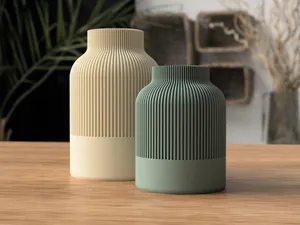


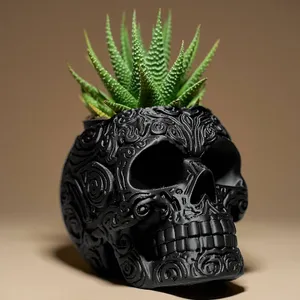

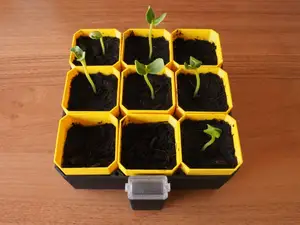
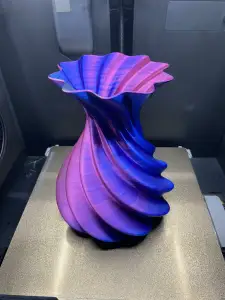


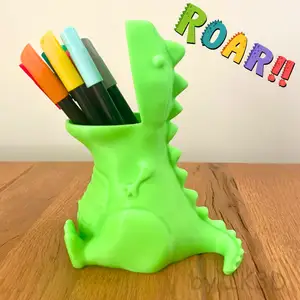


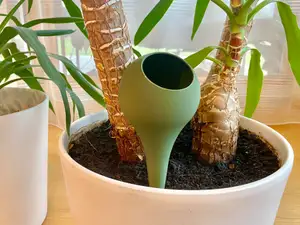
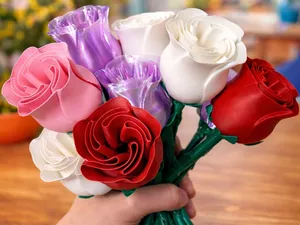



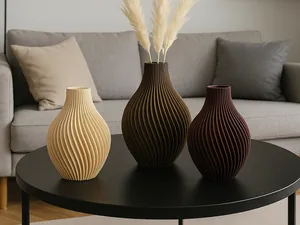


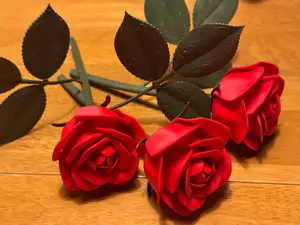
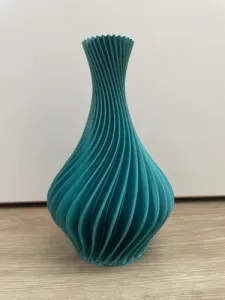


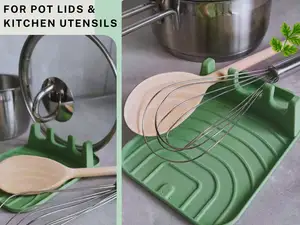
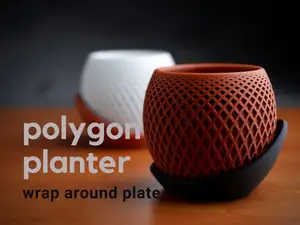
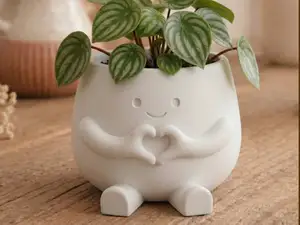


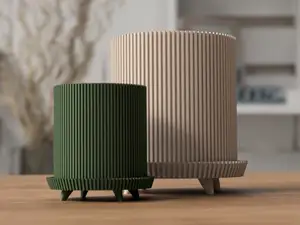

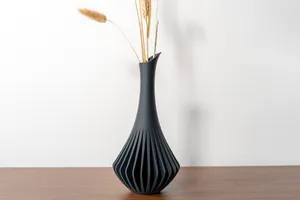


The range splits into a few groups. Spiral and faceted vases are usually tall, thin-walled and printed in vase mode, while low-poly planters and pot covers are shorter, with flat faces and wider tops. Self-watering planters and seed starters add an inner reservoir or a wick, and novelty items such as pencil holders or shaped pots trade a plain silhouette for a recognisable figure.
Before printing, open the model page and read what the author lists: overall size and scale, wall thickness, number of parts, whether supports are needed, and the material and settings used. For anything meant to hold water or soil, check how the base and seams are modelled and whether the author shows photos of real prints. A test print at reduced scale helps confirm wall thickness and fit before committing to a full-size version.
If the results feel narrow, try related wording: planter, flower pot, cachepot, pot cover, seed starter, hydroponic, wall mount, or vase mode. Style terms such as geometric, honeycomb, origami, japandi or low poly also pull in different designs, and searching by intended use — desk, windowsill, balcony — brings up smaller or hanging variants.
Vase mode prints are quick and use little material, but they leave a single wall, so they suit dry arrangements or a separate inner container more than wet soil. Thicker-walled planters take longer and need more filament, yet they hold shape better under the weight of soil and roots. Decide first whether the object is decorative or functional, then filter the results by size and by the printing method the author describes.
完整的主题目录:从家居日用到CNC,均可在已接入的来源平台中搜索。