無料 
3D Printed TPU mask on fabric
Thingiverse
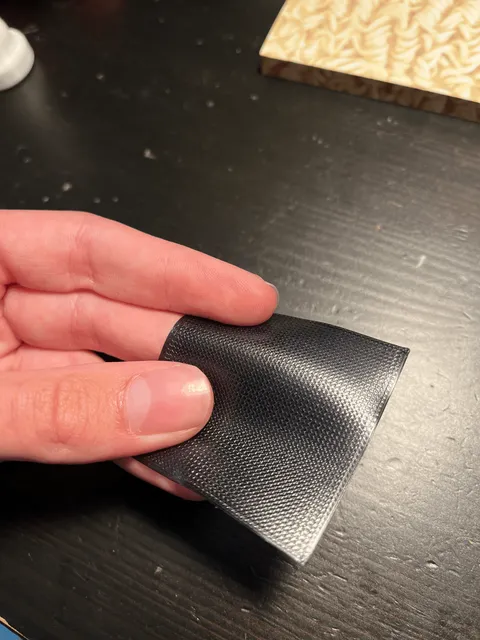
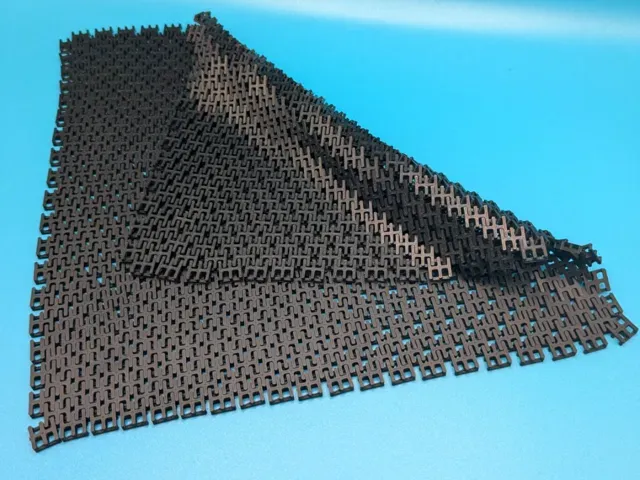
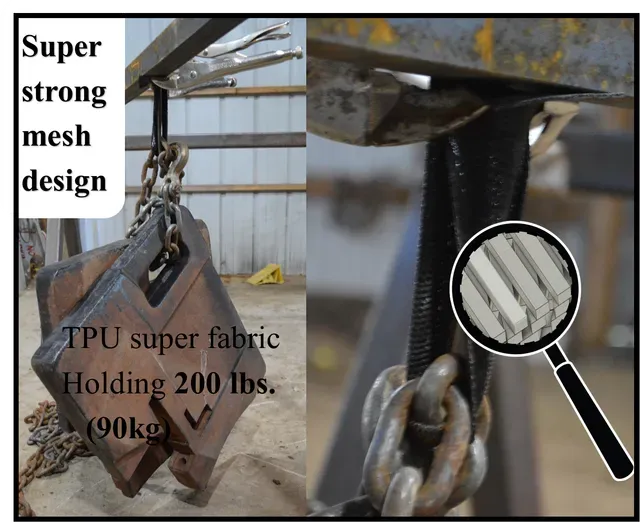
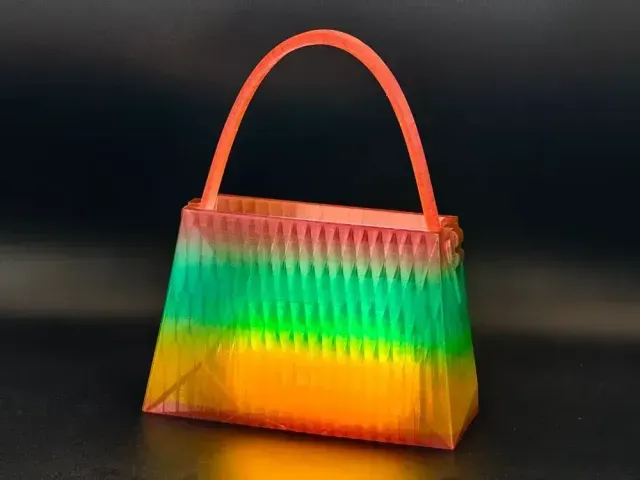
This collection gathers 3D models where flexible filament is used to imitate cloth, mesh or woven textile. It covers flat fabric panels, mask frames, bags and perforated impact pieces, so you can compare how each approach handles flexibility. Most files are STL meshes meant for a 3D printer with a direct extruder and a spool of TPU. Polyzon does not confirm whether models are free, their price, license, official status, affiliation, safety or fitness. Check the current terms at the source.
このコレクションの本文は英語で書かれています。検索自体はどの言語でも使えます。
 Polyzonのコレクション · モデル46件 4サイトから収集
このコレクションは、Polyzonが対応サイトの検索結果をもとに作成しています。重複やプレビューのないモデルは除外し、関連性の低いものは後ろに回し、それ以外は検索結果の順に並べています。モデルの権利は各作者にあります。利用条件は各モデルのページでご確認ください。
選定基準:Polyzon編集部 · 本文の更新日:2026年10月13日
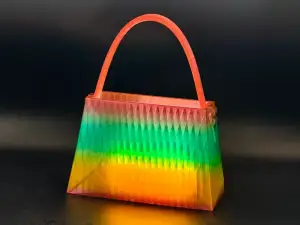



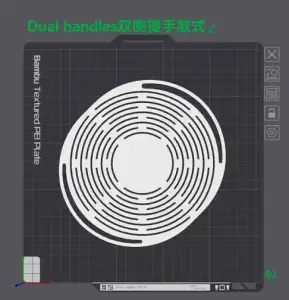


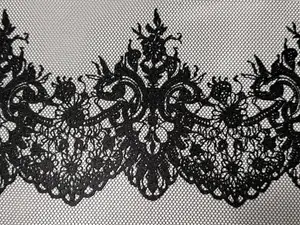
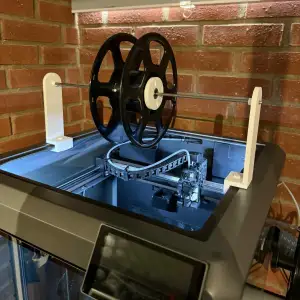


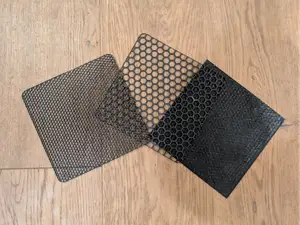
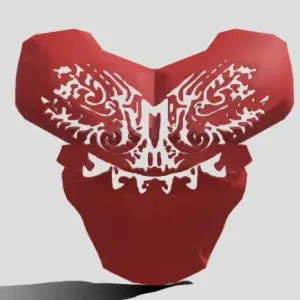


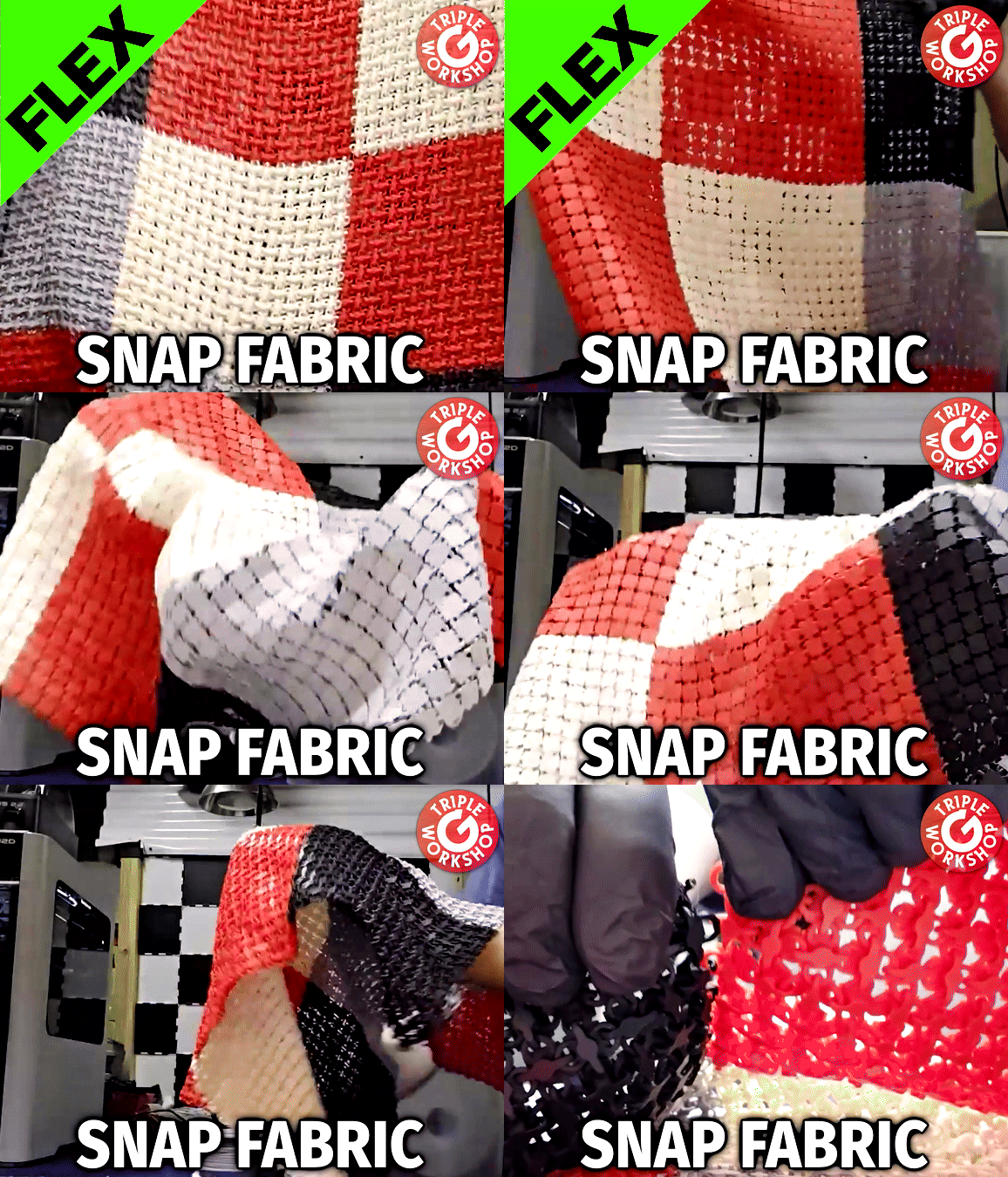
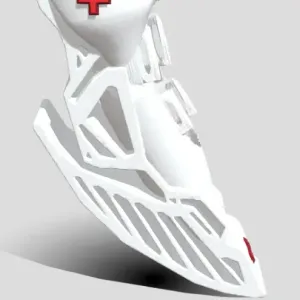


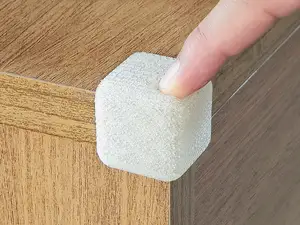
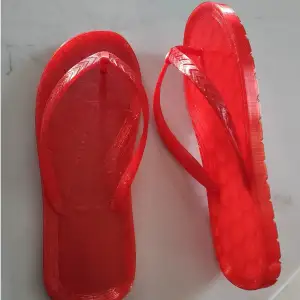


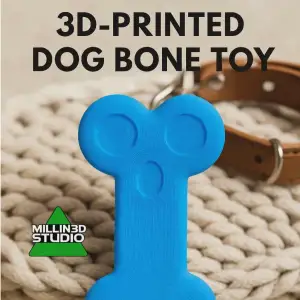

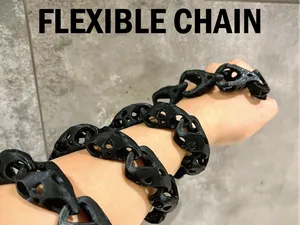
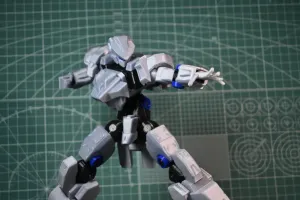

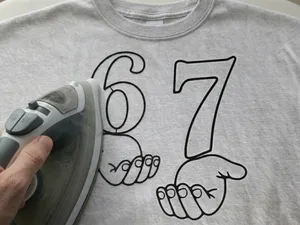
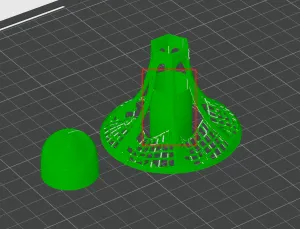

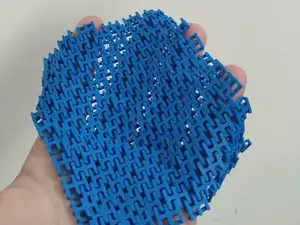
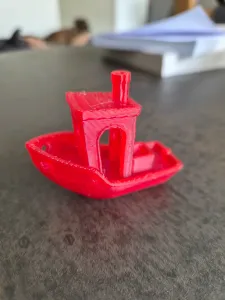



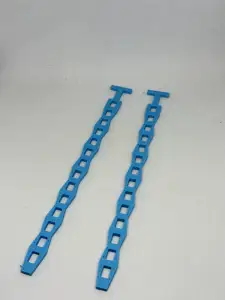

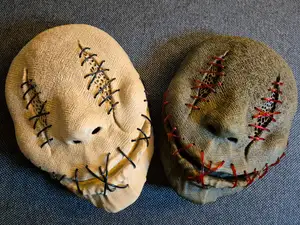
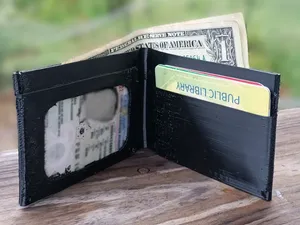
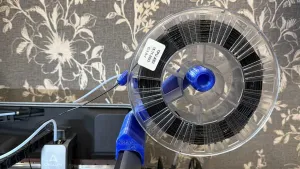
The models fall into a few recognisable groups. Woven and lattice sheets are printed flat and rely on thin strands or interlocking cells to bend; mask shells and frames pair a rigid or semi-flexible printed part with a textile layer; bags and pouches reuse the same panel logic at a larger scale. Transfer designs, lace and iron-on pieces sit closer to decoration, while perforated impact panels use thicker walls and cellular geometry to spread a load.
When choosing a file, look at what the author states about wall thickness, cell size and overall dimensions, since these decide how the panel drapes or holds shape. Check the shore hardness and nozzle temperature listed for the filament, the layer height used, and whether the model is printed as one piece or assembled from several. Photos of real prints and any notes on print orientation are more informative than the render, especially for thin strands that can string or collapse.
To widen the search, try related wording such as flexible filament, woven pattern, mesh, lattice, auxetic, textile, mask frame, pouch or iron-on transfer. Combining a material term with a shape term usually narrows results faster than a single broad phrase. If a model is described as scalable, check the author's notes on how scaling affects strand thickness before changing the size.


暮らし・日用品からCNCまで、すべてのテーマをそろえたカタログ。対応サイトを横断して検索できます。