免费 
3D Printed TPU mask on fabric
Thingiverse
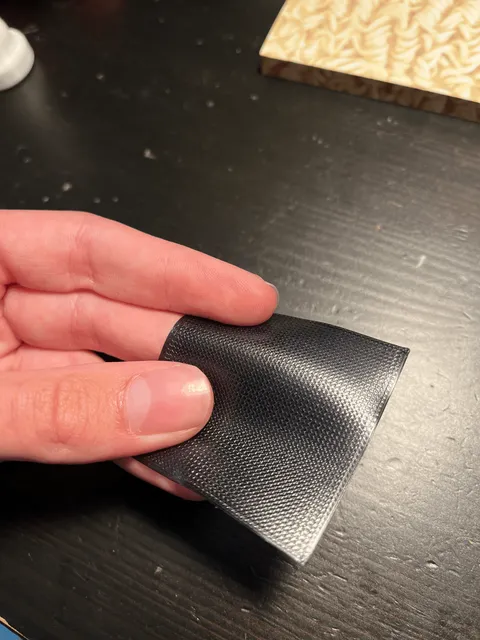
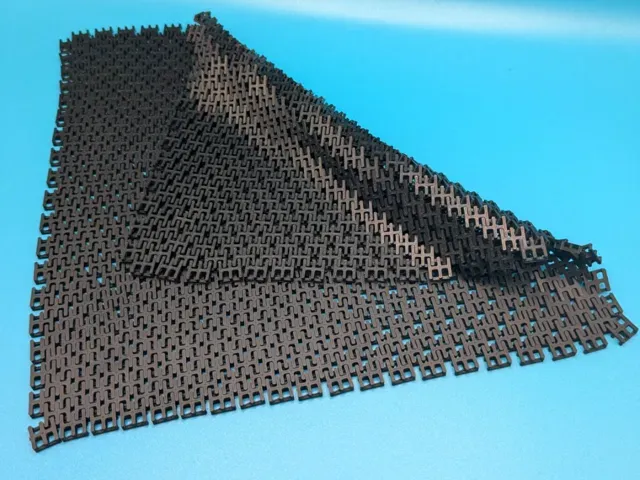
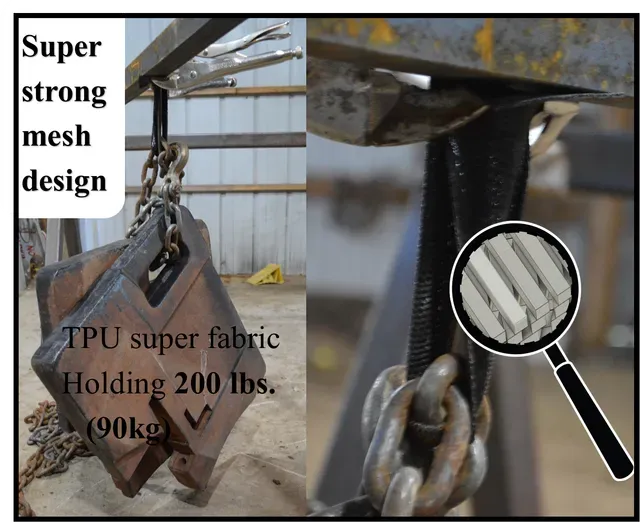
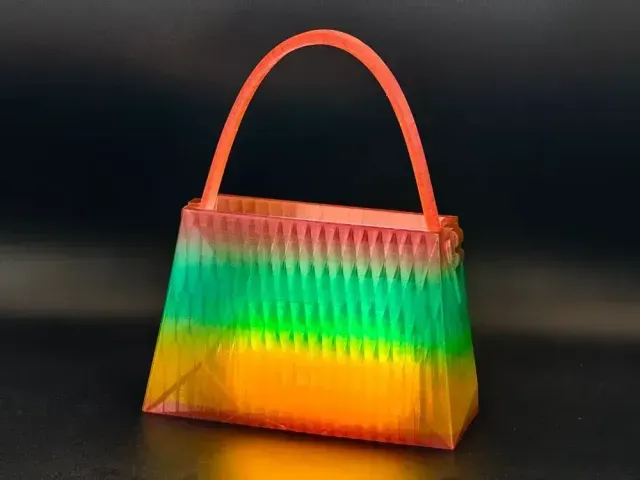
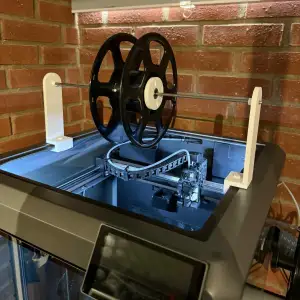
This collection gathers 3D models where flexible filament is used to imitate cloth, mesh or woven textile. It covers flat fabric panels, mask frames, bags and perforated impact pieces, so you can compare how each approach handles flexibility. Most files are STL meshes meant for a 3D printer with a direct extruder and a spool of TPU. Polyzon does not confirm whether models are free, their price, license, official status, affiliation, safety or fitness. Check the current terms at the source.
本合集的文字为英文,搜索本身支持任何语言。
 Polyzon合集 · 46个模型 来自4个平台
此合集由Polyzon根据已接入平台的搜索结果整理而成:去除重复项和没有预览图的模型,匹配度低的排在最后,其余按搜索结果顺序排列。模型归作者所有——请在各模型页面查看使用条款。
筛选规则:Polyzon编辑部 · 文字更新于2026年10月13日
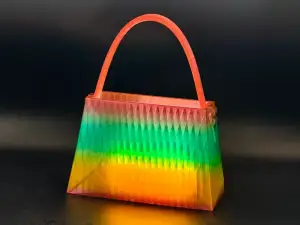



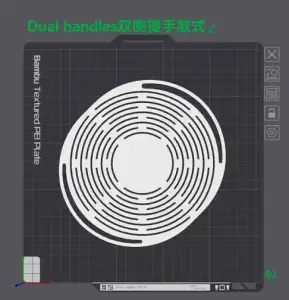


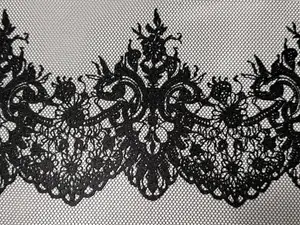


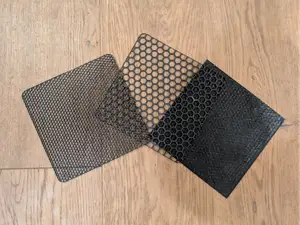
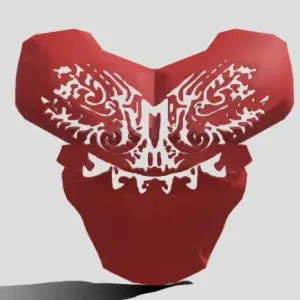


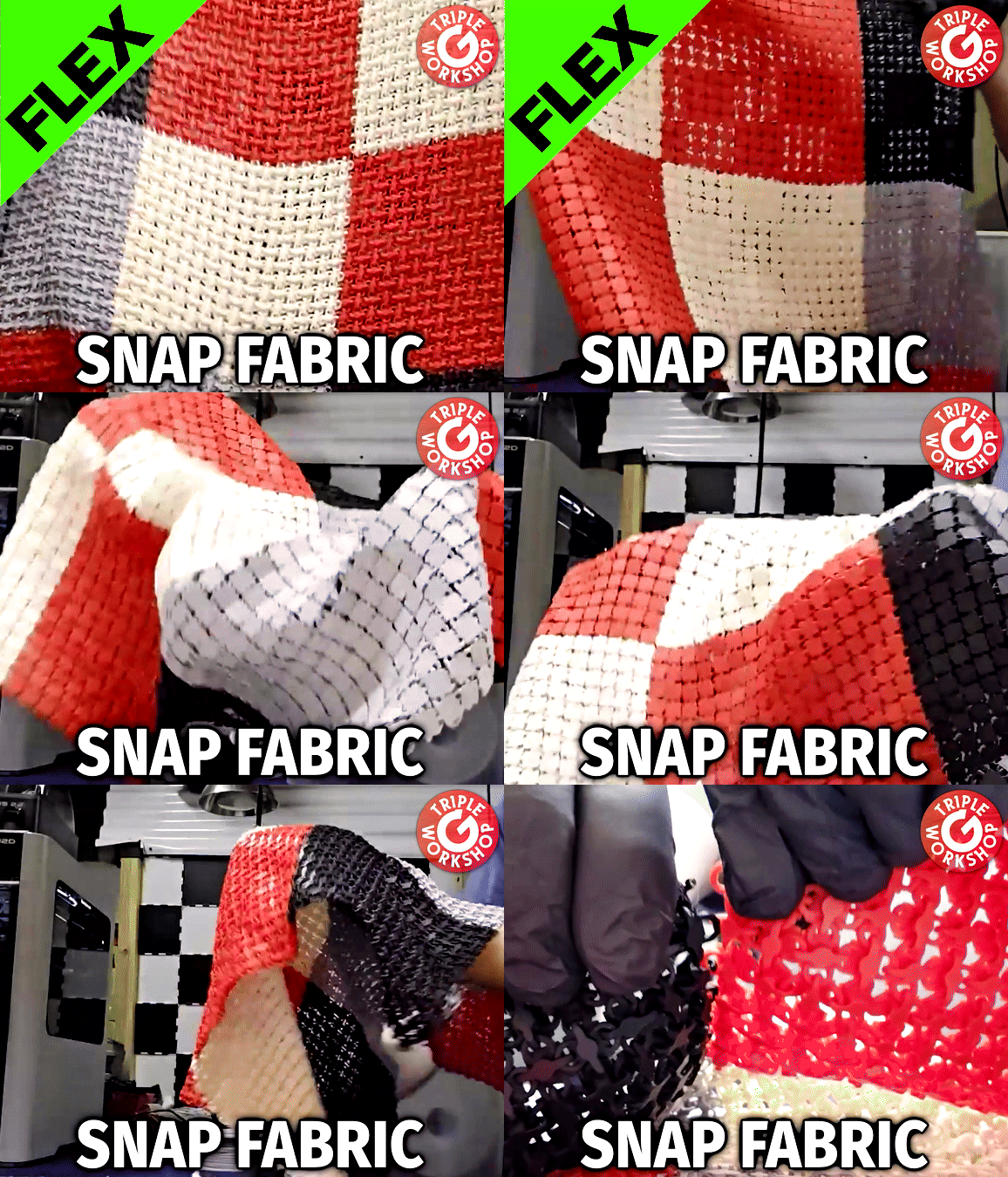
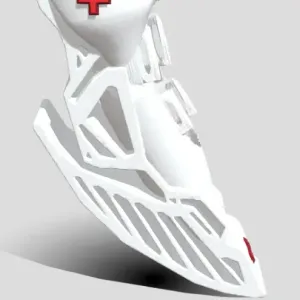


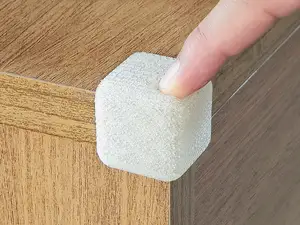
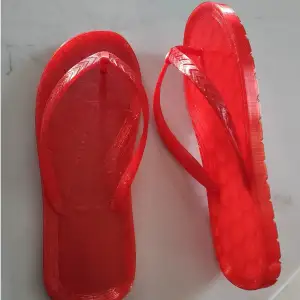




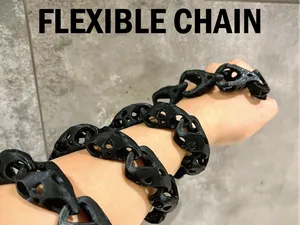
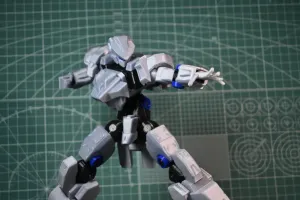

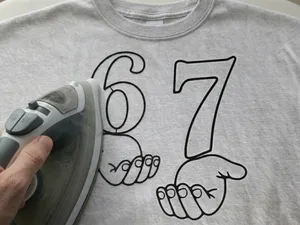
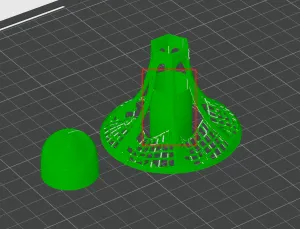

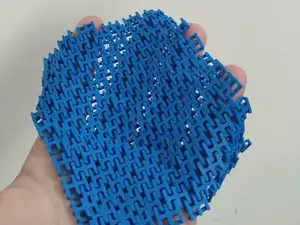
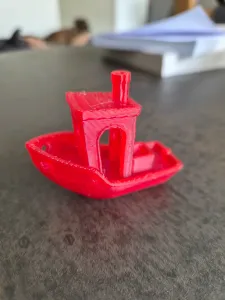


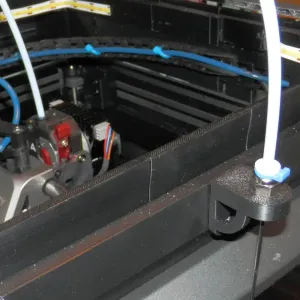

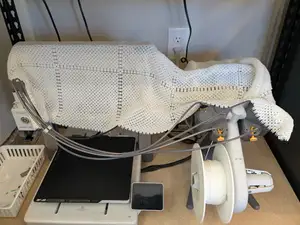
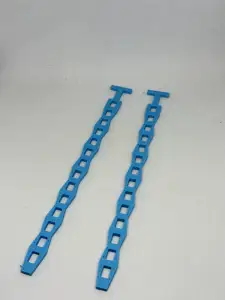

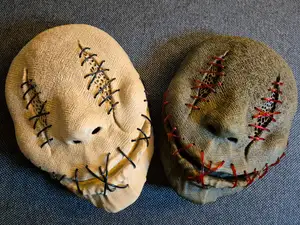
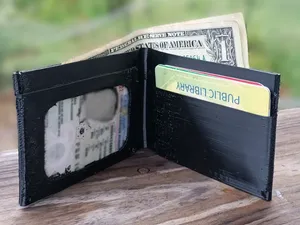
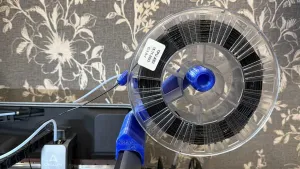
The models fall into a few recognisable groups. Woven and lattice sheets are printed flat and rely on thin strands or interlocking cells to bend; mask shells and frames pair a rigid or semi-flexible printed part with a textile layer; bags and pouches reuse the same panel logic at a larger scale. Transfer designs, lace and iron-on pieces sit closer to decoration, while perforated impact panels use thicker walls and cellular geometry to spread a load.
When choosing a file, look at what the author states about wall thickness, cell size and overall dimensions, since these decide how the panel drapes or holds shape. Check the shore hardness and nozzle temperature listed for the filament, the layer height used, and whether the model is printed as one piece or assembled from several. Photos of real prints and any notes on print orientation are more informative than the render, especially for thin strands that can string or collapse.
To widen the search, try related wording such as flexible filament, woven pattern, mesh, lattice, auxetic, textile, mask frame, pouch or iron-on transfer. Combining a material term with a shape term usually narrows results faster than a single broad phrase. If a model is described as scalable, check the author's notes on how scaling affects strand thickness before changing the size.

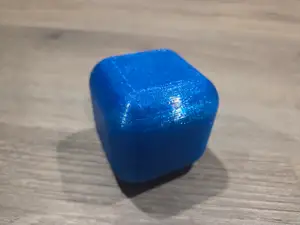


完整的主题目录:从家居日用到CNC,均可在已接入的来源平台中搜索。