Grátis 
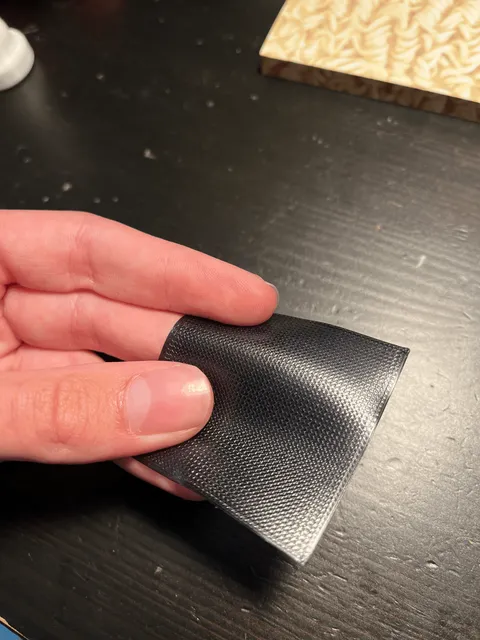
3D Printed TPU mask on fabric
Thingiverse
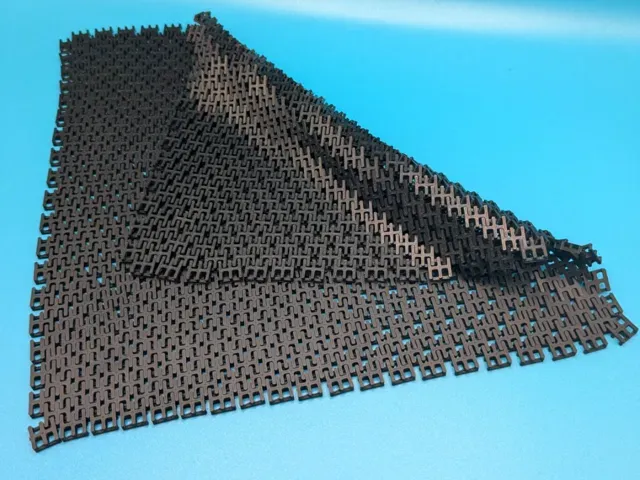
This collection gathers 3D models where flexible filament is used to imitate cloth, mesh or woven textile. It covers flat fabric panels, mask frames, bags and perforated impact pieces, so you can compare how each approach handles flexibility. Most files are STL meshes meant for a 3D printer with a direct extruder and a spool of TPU. Polyzon does not confirm whether models are free, their price, license, official status, affiliation, safety or fitness. Check the current terms at the source.
O texto desta coleção está em inglês; a busca funciona em qualquer idioma.
 Uma coleção do Polyzon · 46 modelos de 4 sites
O Polyzon monta esta coleção a partir dos resultados de busca dos sites conectados. Repetições e modelos sem prévia são removidos, correspondências fracas vão para o final e o restante segue a ordem da busca. Os modelos pertencem aos seus autores — confira os termos na página de cada modelo.
Regras de seleção: equipe editorial do Polyzon · Texto atualizado em 13/10/2026
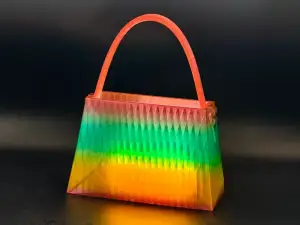


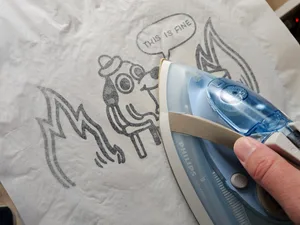
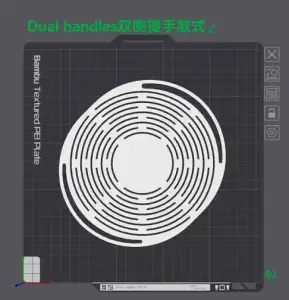


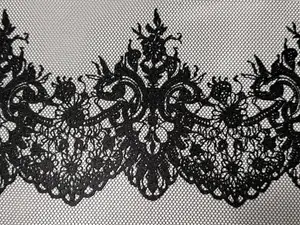


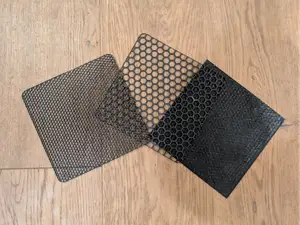
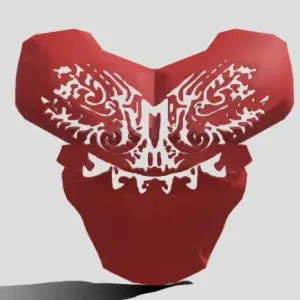


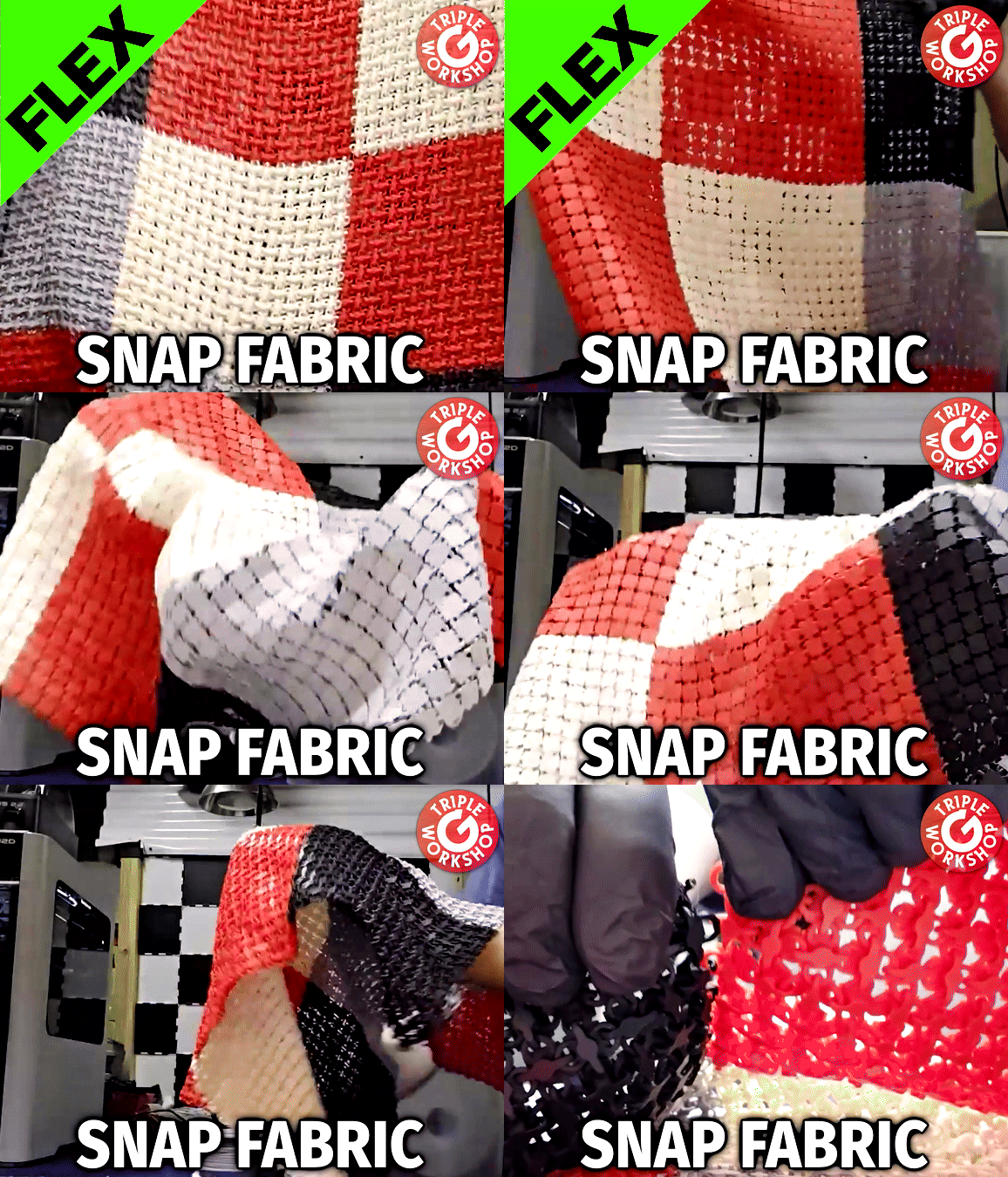
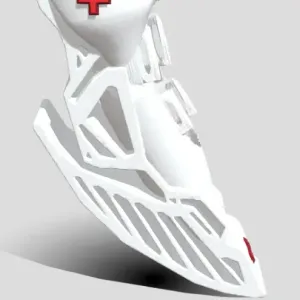


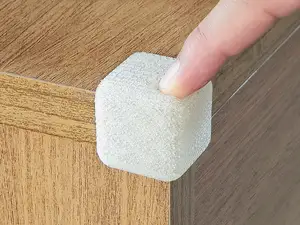
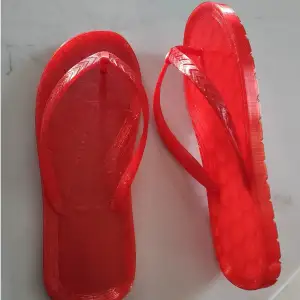


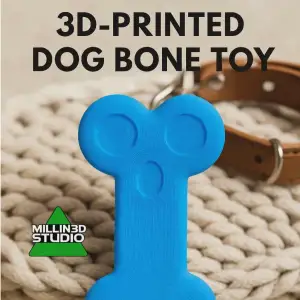

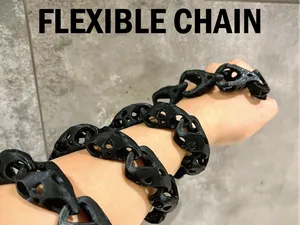
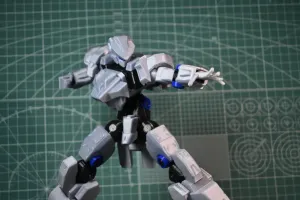

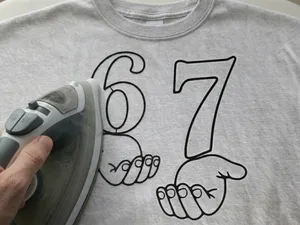
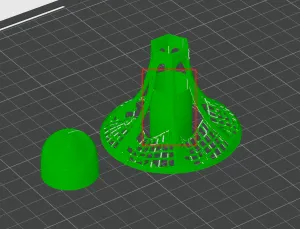

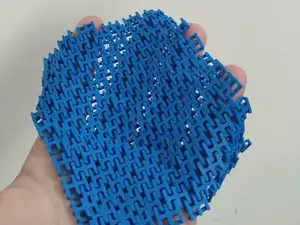
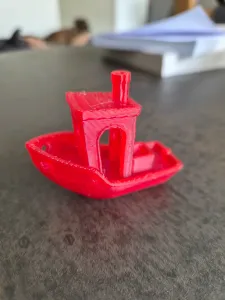


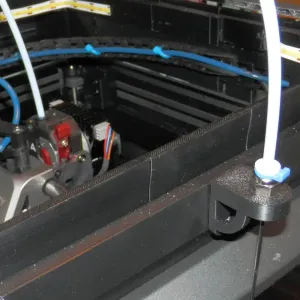

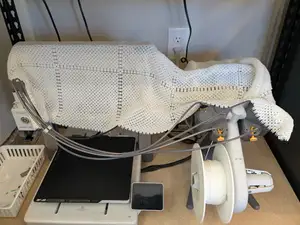
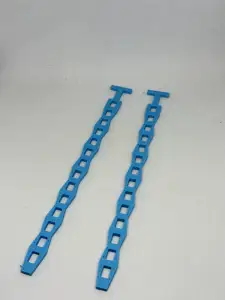

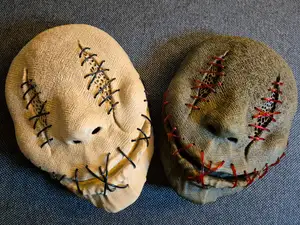
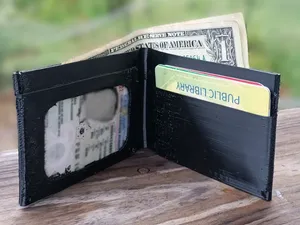
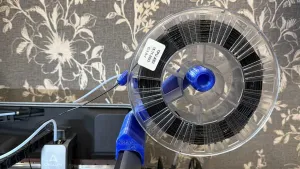
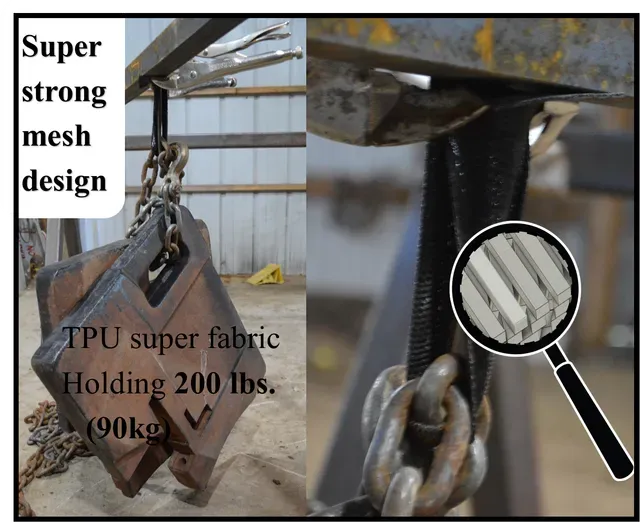
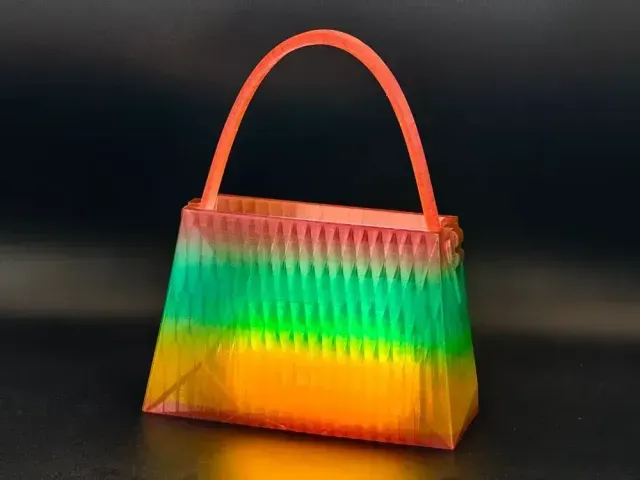
The models fall into a few recognisable groups. Woven and lattice sheets are printed flat and rely on thin strands or interlocking cells to bend; mask shells and frames pair a rigid or semi-flexible printed part with a textile layer; bags and pouches reuse the same panel logic at a larger scale. Transfer designs, lace and iron-on pieces sit closer to decoration, while perforated impact panels use thicker walls and cellular geometry to spread a load.
When choosing a file, look at what the author states about wall thickness, cell size and overall dimensions, since these decide how the panel drapes or holds shape. Check the shore hardness and nozzle temperature listed for the filament, the layer height used, and whether the model is printed as one piece or assembled from several. Photos of real prints and any notes on print orientation are more informative than the render, especially for thin strands that can string or collapse.
To widen the search, try related wording such as flexible filament, woven pattern, mesh, lattice, auxetic, textile, mask frame, pouch or iron-on transfer. Combining a material term with a shape term usually narrows results faster than a single broad phrase. If a model is described as scalable, check the author's notes on how scaling affects strand thickness before changing the size.


O catálogo completo de temas — de casa e utilidades a CNC, com busca em todos os sites conectados.