
無料 
2020+ Ford Explorer Intake T-Fitting w/Jet pump
MakerWorld
This collection gathers 3D models for intake fittings: adapters that join a grille, hose or pipe to a pump, filter or air box. It covers automotive intake parts, pipe and duct reducers, aquarium strainers and hull fittings. The models are shared as STL files, so the exact geometry depends on the author's design and on your 3D printer's tolerances. Polyzon does not confirm whether models are free, their price, license, official status, affiliation, safety or fitness. Check the current terms at the source.
このコレクションの本文は英語で書かれています。検索自体はどの言語でも使えます。
 Polyzonのコレクション · モデル48件 7サイトから収集
このコレクションは、Polyzonが対応サイトの検索結果をもとに作成しています。重複やプレビューのないモデルは除外し、関連性の低いものは後ろに回し、それ以外は検索結果の順に並べています。モデルの権利は各作者にあります。利用条件は各モデルのページでご確認ください。
選定基準:Polyzon編集部 · 本文の更新日:2026年10月13日


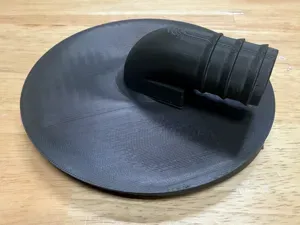
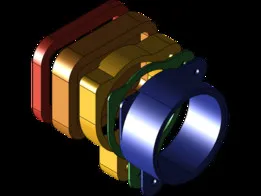



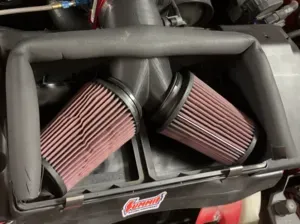
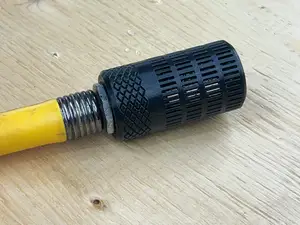


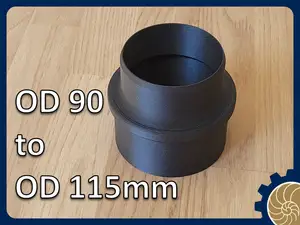
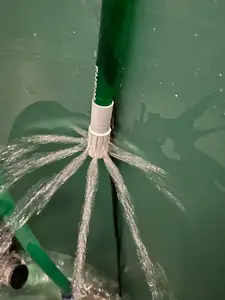
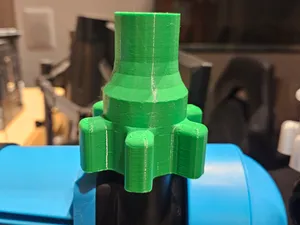


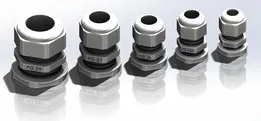
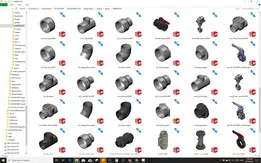
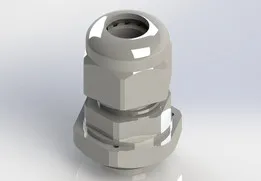

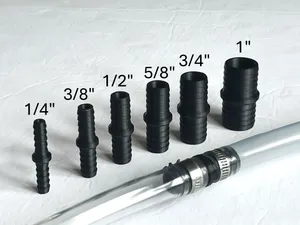
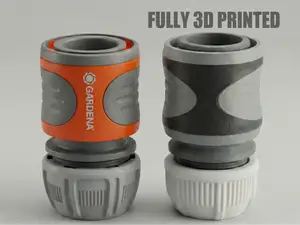

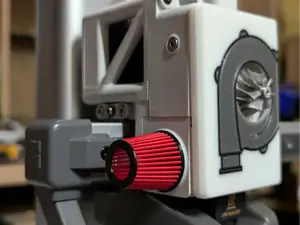

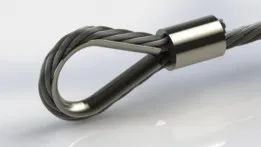
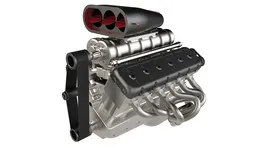

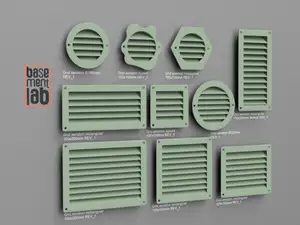

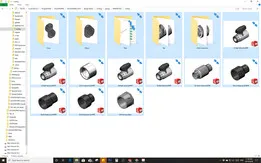
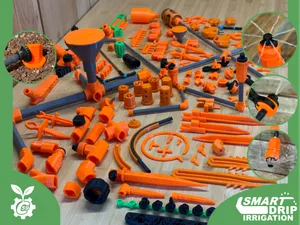

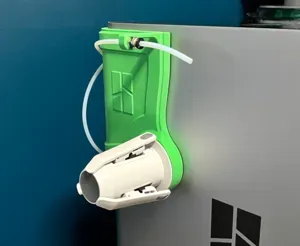

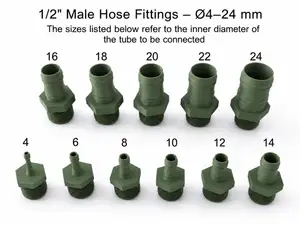
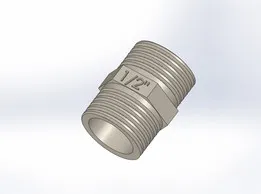
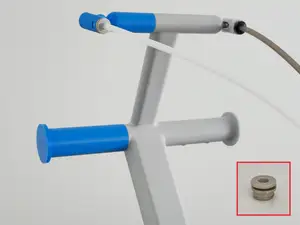


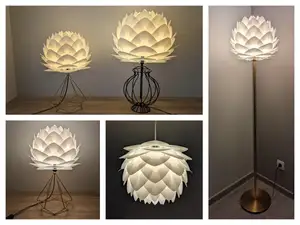
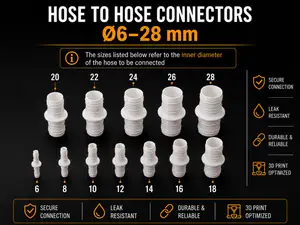
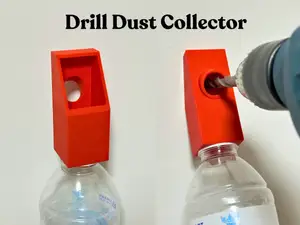
The models fall into a few groups. Automotive pieces connect an air box, cowl or intake hose to a sensor or return line, often as a T-piece or a straight adapter. Pipe and duct parts step between two diameters, for example a grille to a PVC pipe or one duct size to another. Aquarium and pump parts include intake cages, strainers and venturi options, while hull and bilge fittings are shaped to sit low against a surface.
Before printing, read the author's page for the nominal diameter, thread type and wall thickness, since a fitting that looks right in a render can be a fraction of a millimetre off. Check whether the part is split for printing, whether supports are needed, and how the orientation affects strength along the joint. Look at photos of real prints and at the material and settings the author lists, then measure the pipe, hose or port you want to connect.
If the results are thin, try other terms for the same idea: adapter, reducer, coupler, hose barb, bulkhead, strainer basket, intake grille or venturi. Related searches such as air box, dust collection, canister filter or cold air intake often surface parts that use different wording. Narrowing by diameter or by the device the fitting attaches to usually helps more than adding adjectives.


暮らし・日用品からCNCまで、すべてのテーマをそろえたカタログ。対応サイトを横断して検索できます。