
Gratis 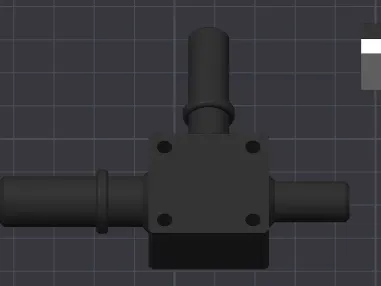
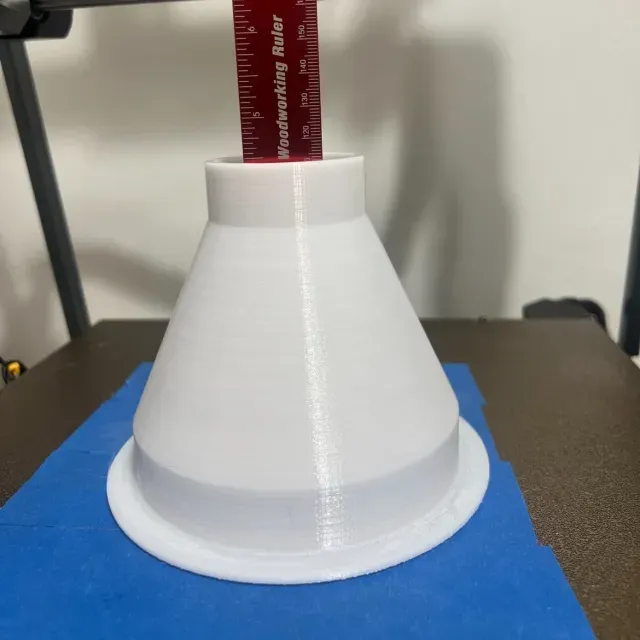
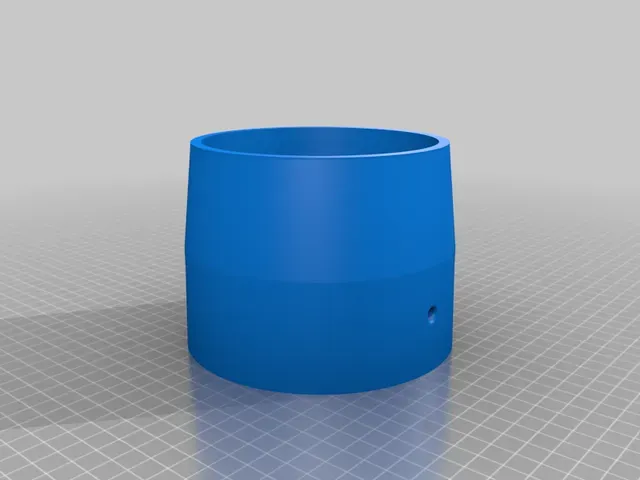
2020+ Ford Explorer Intake T-Fitting w/Jet pump
MakerWorld
This collection gathers 3D models for intake fittings: adapters that join a grille, hose or pipe to a pump, filter or air box. It covers automotive intake parts, pipe and duct reducers, aquarium strainers and hull fittings. The models are shared as STL files, so the exact geometry depends on the author's design and on your 3D printer's tolerances. Polyzon does not confirm whether models are free, their price, license, official status, affiliation, safety or fitness. Check the current terms at the source.
Il testo di questa raccolta è in inglese; la ricerca funziona in qualsiasi lingua.
 Una raccolta di Polyzon · 48 modelli da 7 siti
Polyzon compone questa raccolta a partire dai risultati di ricerca dei siti collegati. I doppioni e i modelli senza anteprima vengono rimossi, le corrispondenze deboli finiscono in fondo e il resto mantiene l’ordine dei risultati. I modelli appartengono ai rispettivi autori: verifica le condizioni sulla pagina di ciascun modello.
Criteri di selezione a cura della redazione di Polyzon · Testo aggiornato: 13/10/2026


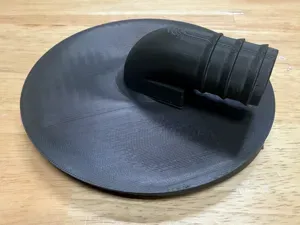
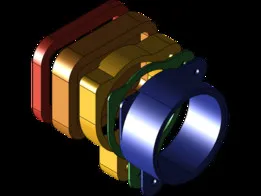



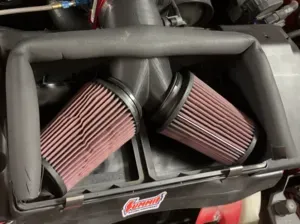
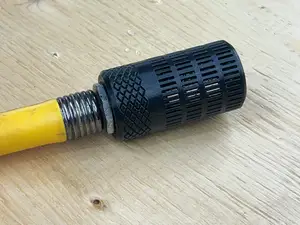


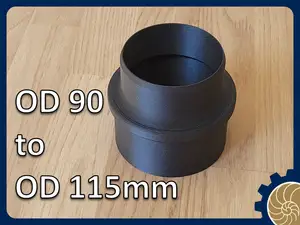
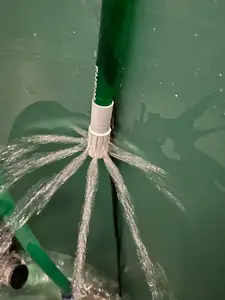
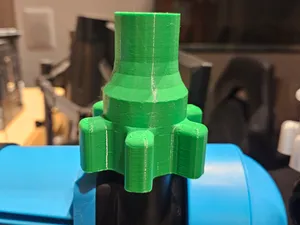


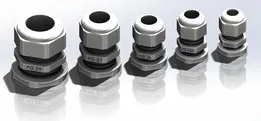
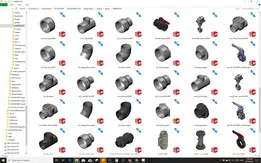
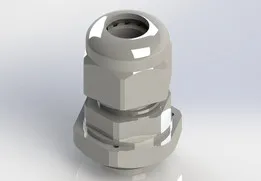

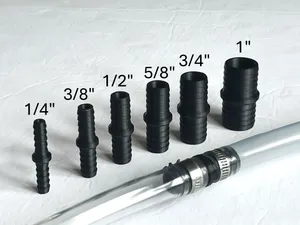
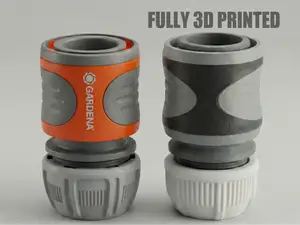

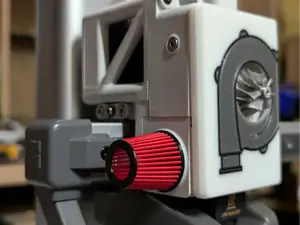

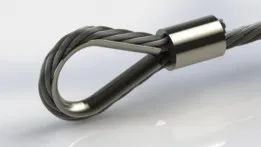
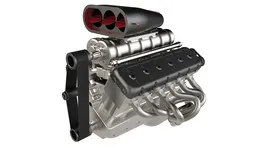

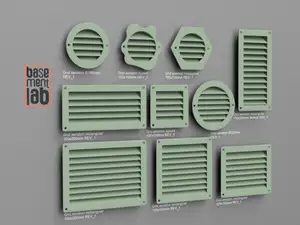

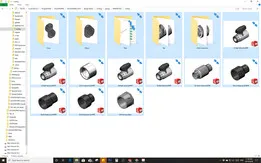
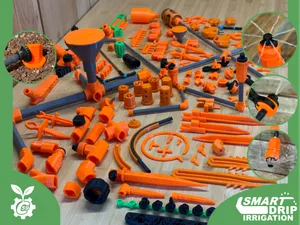

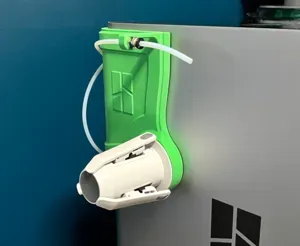

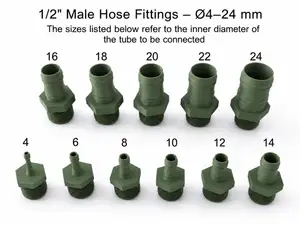
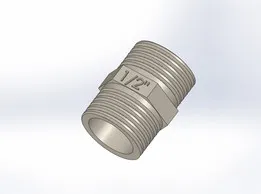
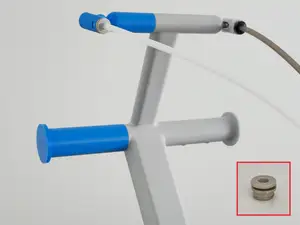



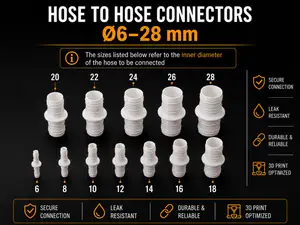

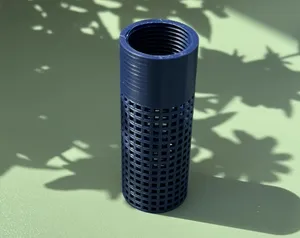
The models fall into a few groups. Automotive pieces connect an air box, cowl or intake hose to a sensor or return line, often as a T-piece or a straight adapter. Pipe and duct parts step between two diameters, for example a grille to a PVC pipe or one duct size to another. Aquarium and pump parts include intake cages, strainers and venturi options, while hull and bilge fittings are shaped to sit low against a surface.
Before printing, read the author's page for the nominal diameter, thread type and wall thickness, since a fitting that looks right in a render can be a fraction of a millimetre off. Check whether the part is split for printing, whether supports are needed, and how the orientation affects strength along the joint. Look at photos of real prints and at the material and settings the author lists, then measure the pipe, hose or port you want to connect.
If the results are thin, try other terms for the same idea: adapter, reducer, coupler, hose barb, bulkhead, strainer basket, intake grille or venturi. Related searches such as air box, dust collection, canister filter or cold air intake often surface parts that use different wording. Narrowing by diameter or by the device the fitting attaches to usually helps more than adding adjectives.


Il catalogo completo dei temi, dalla casa alla lavorazione CNC, con ricerca su tutti i siti collegati.