
免费 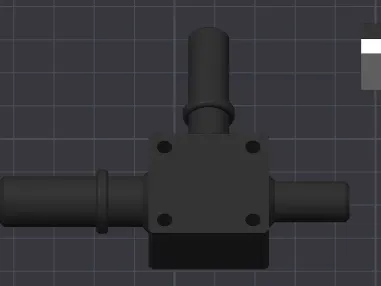
2020+ Ford Explorer Intake T-Fitting w/Jet pump
MakerWorld
This collection gathers 3D models for intake fittings: adapters that join a grille, hose or pipe to a pump, filter or air box. It covers automotive intake parts, pipe and duct reducers, aquarium strainers and hull fittings. The models are shared as STL files, so the exact geometry depends on the author's design and on your 3D printer's tolerances. Polyzon does not confirm whether models are free, their price, license, official status, affiliation, safety or fitness. Check the current terms at the source.
本合集的文字为英文,搜索本身支持任何语言。
 Polyzon合集 · 48个模型 来自7个平台
此合集由Polyzon根据已接入平台的搜索结果整理而成:去除重复项和没有预览图的模型,匹配度低的排在最后,其余按搜索结果顺序排列。模型归作者所有——请在各模型页面查看使用条款。
筛选规则:Polyzon编辑部 · 文字更新于2026年10月13日


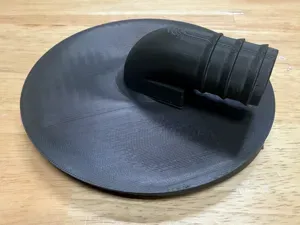
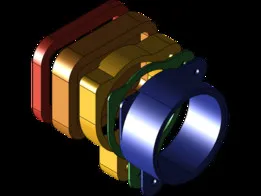



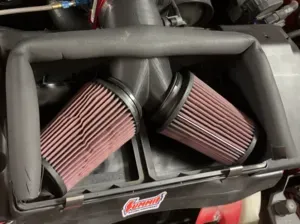
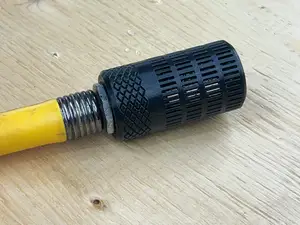


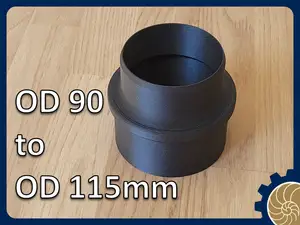
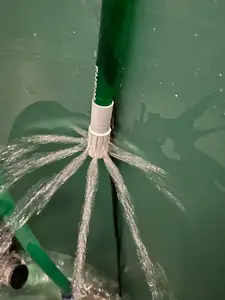
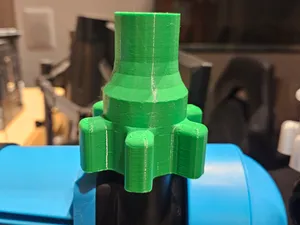


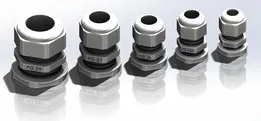
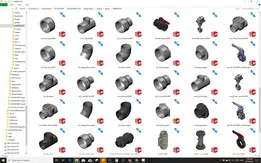
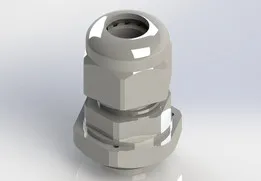

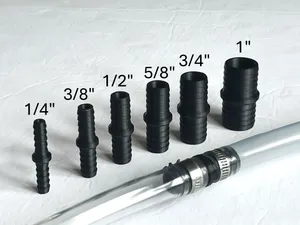
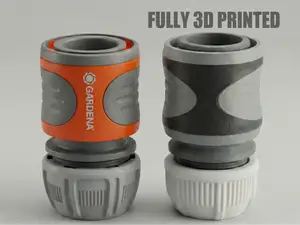

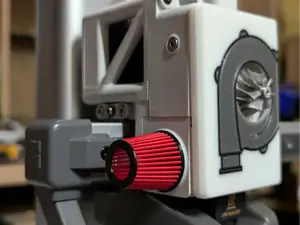

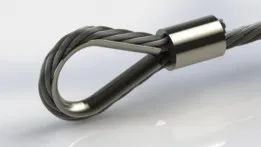
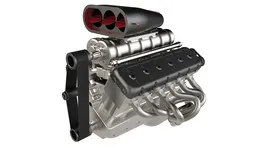

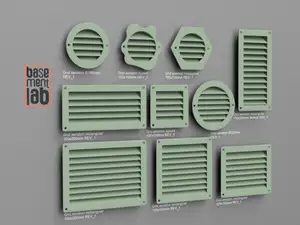

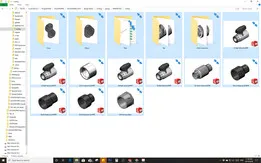
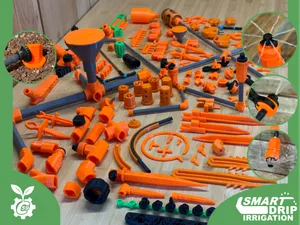

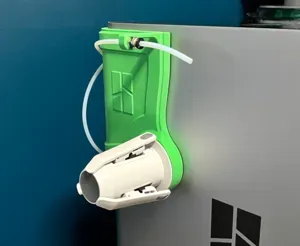

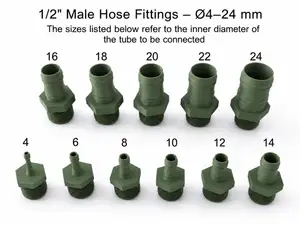
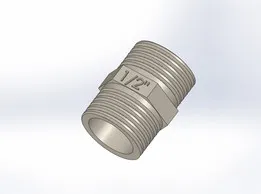
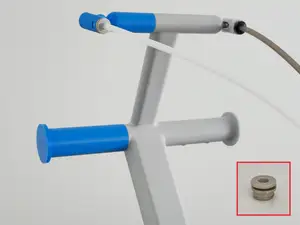

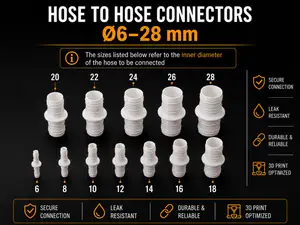

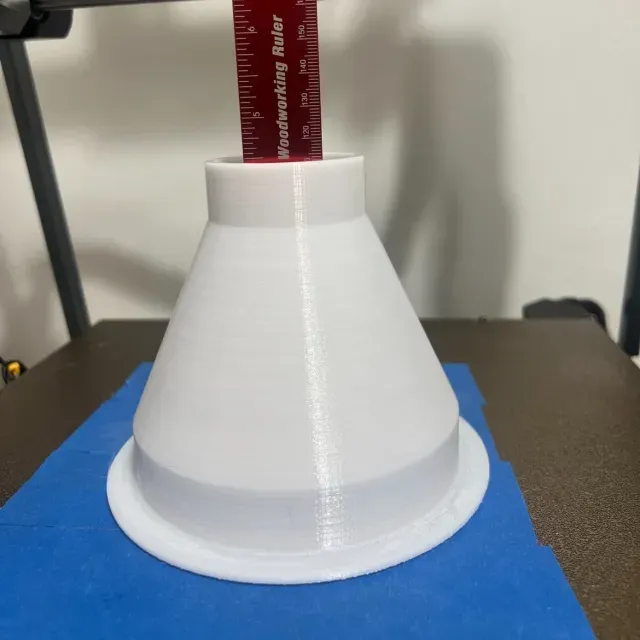
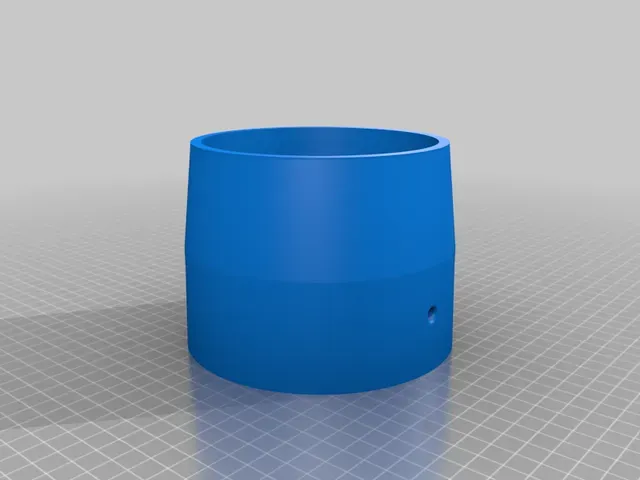
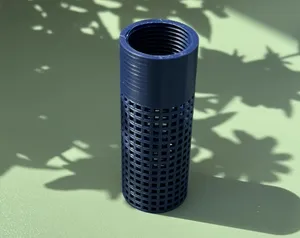
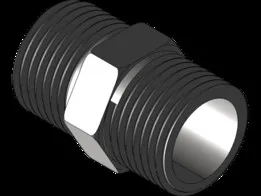
The models fall into a few groups. Automotive pieces connect an air box, cowl or intake hose to a sensor or return line, often as a T-piece or a straight adapter. Pipe and duct parts step between two diameters, for example a grille to a PVC pipe or one duct size to another. Aquarium and pump parts include intake cages, strainers and venturi options, while hull and bilge fittings are shaped to sit low against a surface.
Before printing, read the author's page for the nominal diameter, thread type and wall thickness, since a fitting that looks right in a render can be a fraction of a millimetre off. Check whether the part is split for printing, whether supports are needed, and how the orientation affects strength along the joint. Look at photos of real prints and at the material and settings the author lists, then measure the pipe, hose or port you want to connect.
If the results are thin, try other terms for the same idea: adapter, reducer, coupler, hose barb, bulkhead, strainer basket, intake grille or venturi. Related searches such as air box, dust collection, canister filter or cold air intake often surface parts that use different wording. Narrowing by diameter or by the device the fitting attaches to usually helps more than adding adjectives.


完整的主题目录:从家居日用到CNC,均可在已接入的来源平台中搜索。