

Grátis 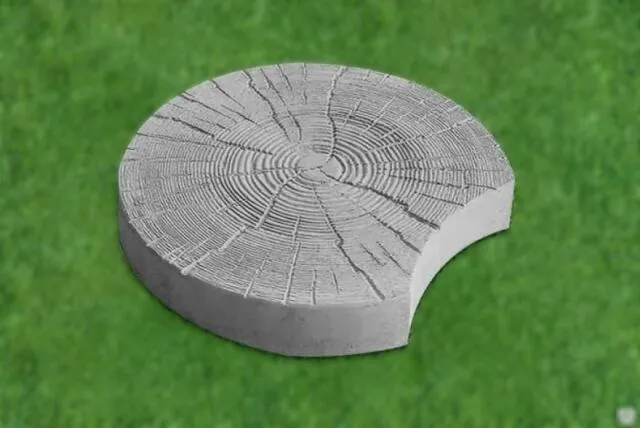
Форма для плитки тротуарной "пенек"
3DToday
This collection gathers STL files for tile molds, from paving and garden forms to dungeon floor sections, mosaic inserts and molds for clay, plaster or cement. It helps when you need a repeatable shape for casting instead of a single printed object. Each listing leads to the author's page, where the geometry, part count and print settings are described. Polyzon does not confirm whether models are free, their price, license, official status, affiliation, safety or fitness. Check the current terms at the source.
O texto desta coleção está em inglês; a busca funciona em qualquer idioma.
 Uma coleção do Polyzon · 48 modelos de 8 sites
O Polyzon monta esta coleção a partir dos resultados de busca dos sites conectados. Repetições e modelos sem prévia são removidos, correspondências fracas vão para o final e o restante segue a ordem da busca. Os modelos pertencem aos seus autores — confira os termos na página de cada modelo.
Regras de seleção: equipe editorial do Polyzon · Texto atualizado em 13/10/2026


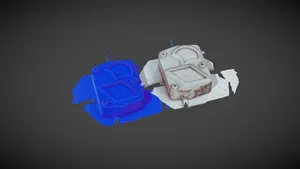
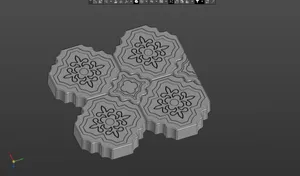


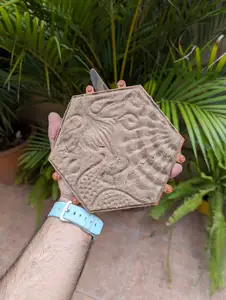


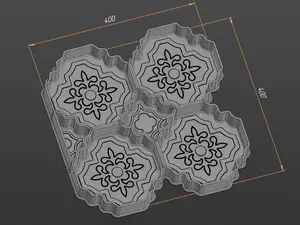
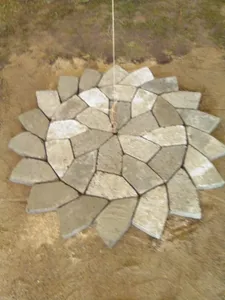


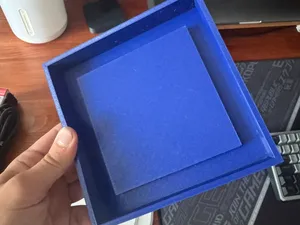


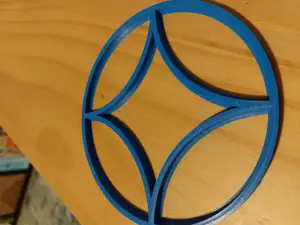

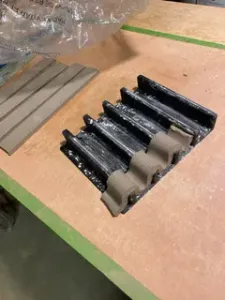
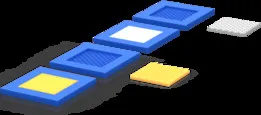
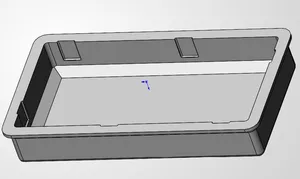
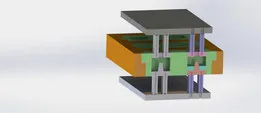


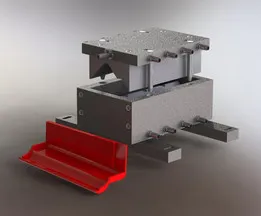

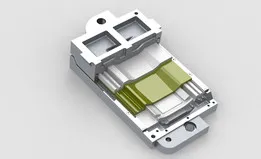

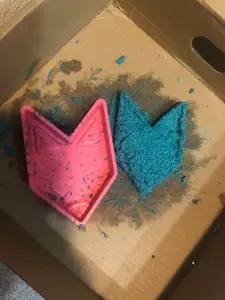
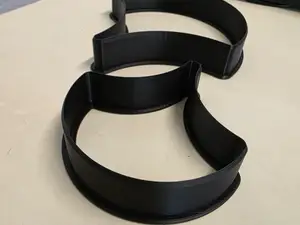


The molds differ mainly in size, wall thickness and how they are filled. Paving and garden forms are usually large single-piece or multi-part molds for cement or plaster, while dungeon floor molds are small modular pieces meant to be cast many times and laid in a grid. Decorative and mosaic molds tend to be thin inserts used with silicone, and clay or greenware molds follow roof tile, brick and tessellation patterns.
When choosing a model, look at the stated tile size and repeat, the number of parts and how they assemble, and whether the author notes draft angles or parting lines that make demolding easier. Check the casting material the mold was designed around, since shrinkage and heat differ between cement, plaster, clay and resin. Photos of real casts and the print settings listed on the model page tell you more than the render.
To narrow the results, try synonyms such as mould, form, casting mold, silicone mold, paver, cobblestone or terrain tile, and add the material you plan to pour, for example plaster, cement or resin. Related searches include mosaic insert, garden path, diorama floor and wall block. Combining a shape term with a material term usually returns a shorter, more relevant list.


O catálogo completo de temas — de casa e utilidades a CNC, com busca em todos os sites conectados.

