
Grátis 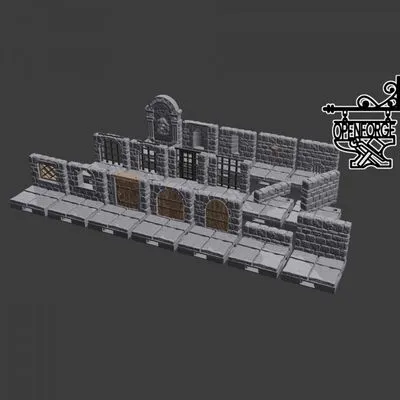
Dungeon Stone - Wall on Tile: Walls (Full Set)
MyMiniFactory
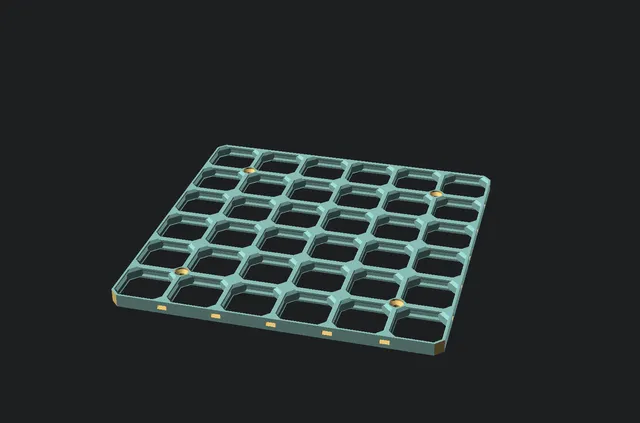
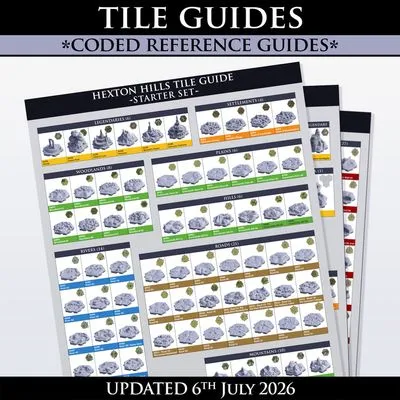
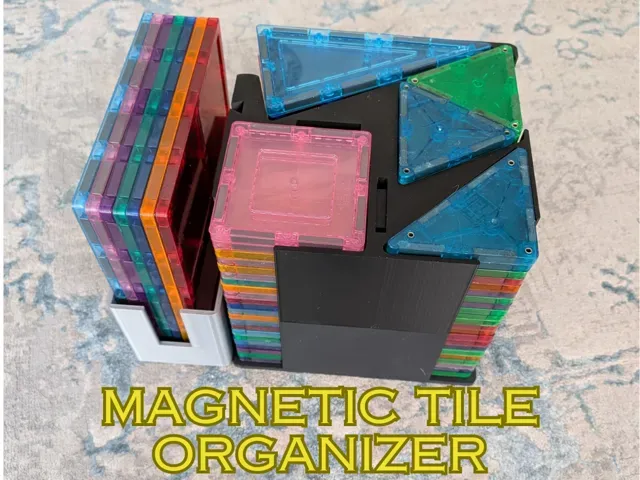
This collection gathers tile-shaped 3D models: modular terrain pieces, board game tiles and dispensers, wall plaques, and organizer tiles for grids and pegboards. Most of them are built for 3D printing as flat or interlocking parts, so they stack, snap or slot together. It helps if you already know whether you want a play surface, a storage grid or a decorative panel. Polyzon does not confirm whether models are free, their price, license, official status, affiliation, safety or fitness. Check the current terms at the source.
O texto desta coleção está em inglês; a busca funciona em qualquer idioma.
 Uma coleção do Polyzon · 48 modelos de 6 sites
O Polyzon monta esta coleção a partir dos resultados de busca dos sites conectados. Repetições e modelos sem prévia são removidos, correspondências fracas vão para o final e o restante segue a ordem da busca. Os modelos pertencem aos seus autores — confira os termos na página de cada modelo.
Regras de seleção: equipe editorial do Polyzon · Texto atualizado em 14/10/2026
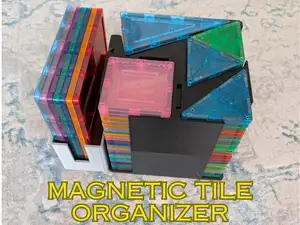

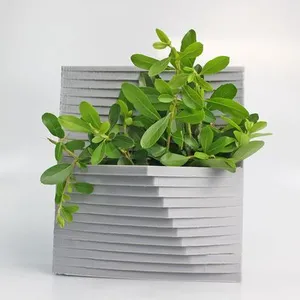

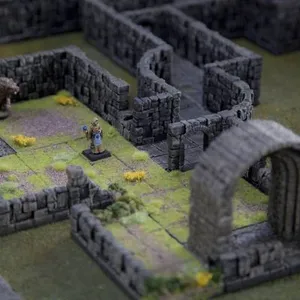


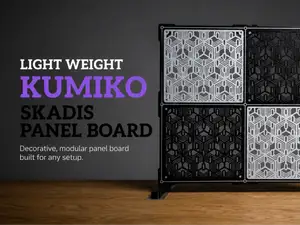
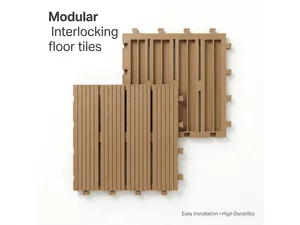


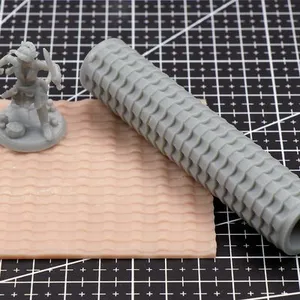
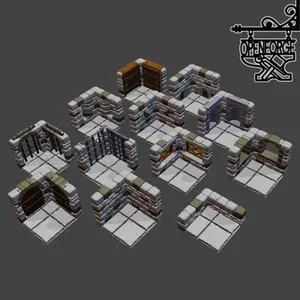
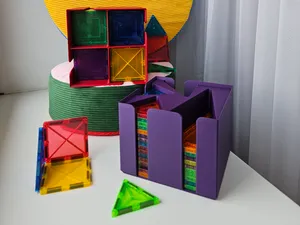
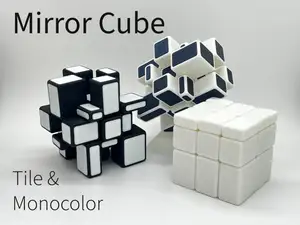


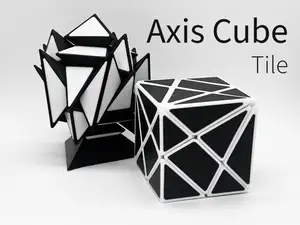


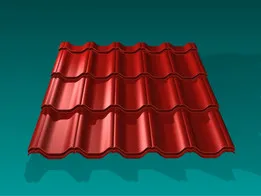
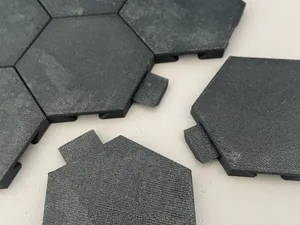


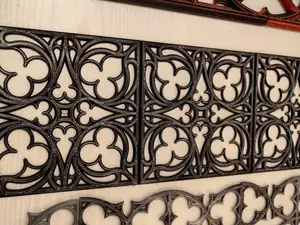
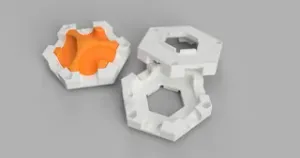

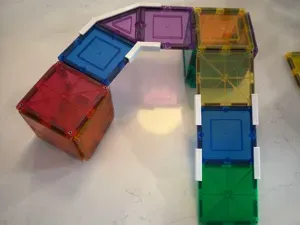


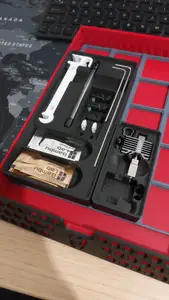


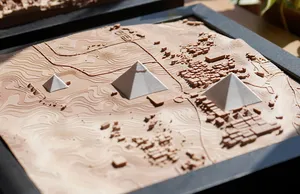
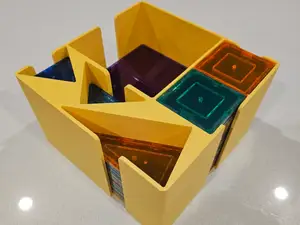
Terrain tiles usually come as square or hexagonal pieces with walls, corners and floor sections that repeat across a layout, while board game tiles are thinner plates meant to be laid out and moved during play. Decorative tiles and plaques are single pieces with relief detail, and organizer tiles are flat bases with cutouts or magnets for holding small items. The differences show up in thickness, edge geometry and how many parts make up one unit.
When choosing, look at the stated footprint and scale, the number of parts in a set, and whether the author lists supports or orientation notes. Check the material and settings on the model page, since thin plates and interlocking edges behave differently in PLA and in tougher filaments. Photos of real prints are the quickest way to judge how edges, joints and surface texture come out on a 3D printer.
To widen the search, try synonyms such as modular floor tile, hex tile, terrain tile, wall panel or grid base, and related terms like dungeon floor, game board insert or pegboard accessory. Combining a shape word with a purpose word narrows results quickly. If you need a specific layout, search by the grid system or by the game or tool the tile is meant to fit.
Some tiles are designed as one-piece prints, others as kits with separate rims, clips or inserts, so assembly effort varies. A tile that repeats across a large area is usually worth checking for consistent wall height and connector clearance before you commit to many copies. For decorative pieces, the depth of the relief and the intended viewing distance matter more than the part count.




O catálogo completo de temas — de casa e utilidades a CNC, com busca em todos os sites conectados.