

免费 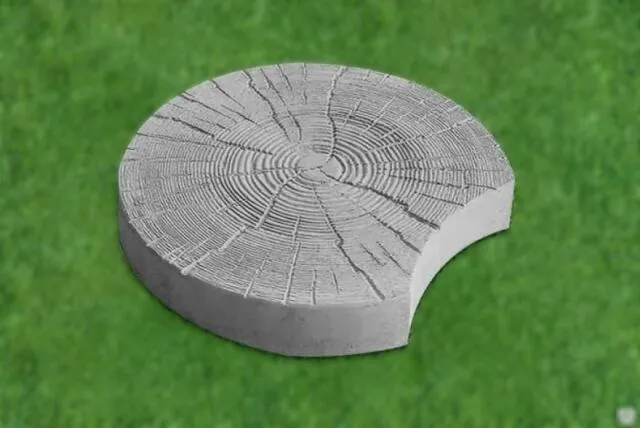
Форма для плитки тротуарной "пенек"
3DToday
This collection gathers STL files for tile molds, from paving and garden forms to dungeon floor sections, mosaic inserts and molds for clay, plaster or cement. It helps when you need a repeatable shape for casting instead of a single printed object. Each listing leads to the author's page, where the geometry, part count and print settings are described. Polyzon does not confirm whether models are free, their price, license, official status, affiliation, safety or fitness. Check the current terms at the source.
本合集的文字为英文,搜索本身支持任何语言。
 Polyzon合集 · 48个模型 来自8个平台
此合集由Polyzon根据已接入平台的搜索结果整理而成:去除重复项和没有预览图的模型,匹配度低的排在最后,其余按搜索结果顺序排列。模型归作者所有——请在各模型页面查看使用条款。
筛选规则:Polyzon编辑部 · 文字更新于2026年10月13日


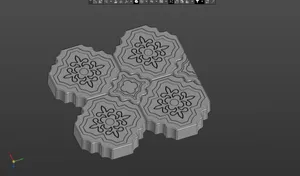


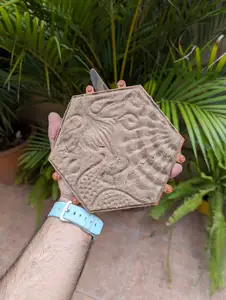


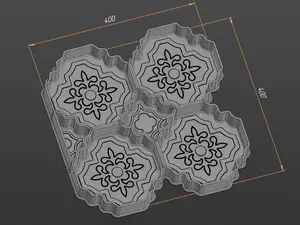
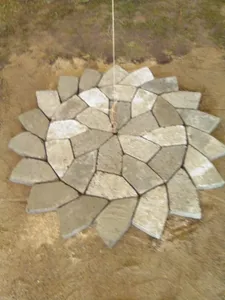


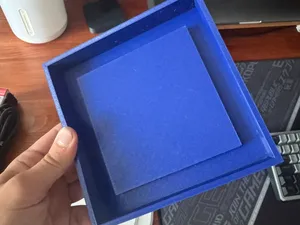


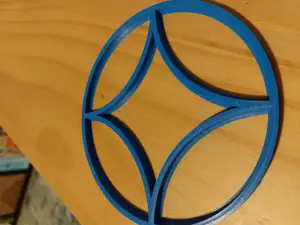

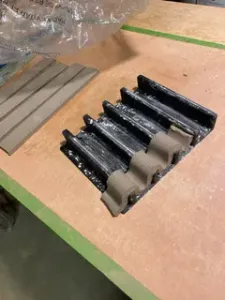
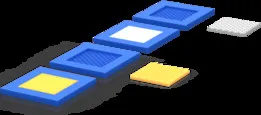
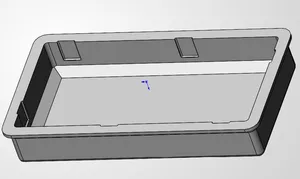
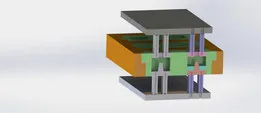


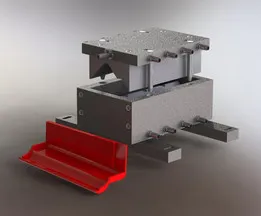

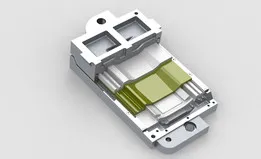

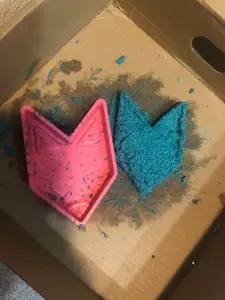
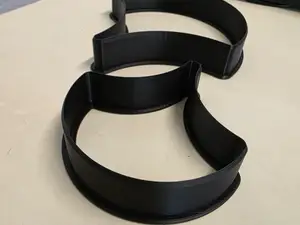


The molds differ mainly in size, wall thickness and how they are filled. Paving and garden forms are usually large single-piece or multi-part molds for cement or plaster, while dungeon floor molds are small modular pieces meant to be cast many times and laid in a grid. Decorative and mosaic molds tend to be thin inserts used with silicone, and clay or greenware molds follow roof tile, brick and tessellation patterns.
When choosing a model, look at the stated tile size and repeat, the number of parts and how they assemble, and whether the author notes draft angles or parting lines that make demolding easier. Check the casting material the mold was designed around, since shrinkage and heat differ between cement, plaster, clay and resin. Photos of real casts and the print settings listed on the model page tell you more than the render.
To narrow the results, try synonyms such as mould, form, casting mold, silicone mold, paver, cobblestone or terrain tile, and add the material you plan to pour, for example plaster, cement or resin. Related searches include mosaic insert, garden path, diorama floor and wall block. Combining a shape term with a material term usually returns a shorter, more relevant list.
完整的主题目录:从家居日用到CNC,均可在已接入的来源平台中搜索。


