
Grátis 
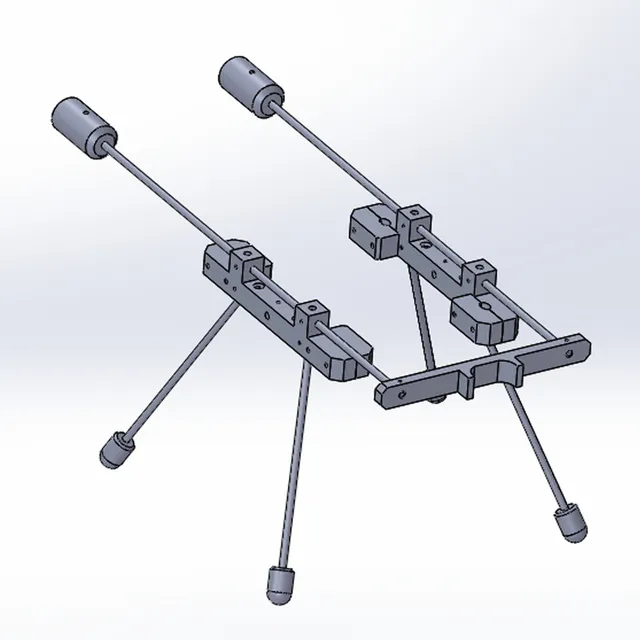
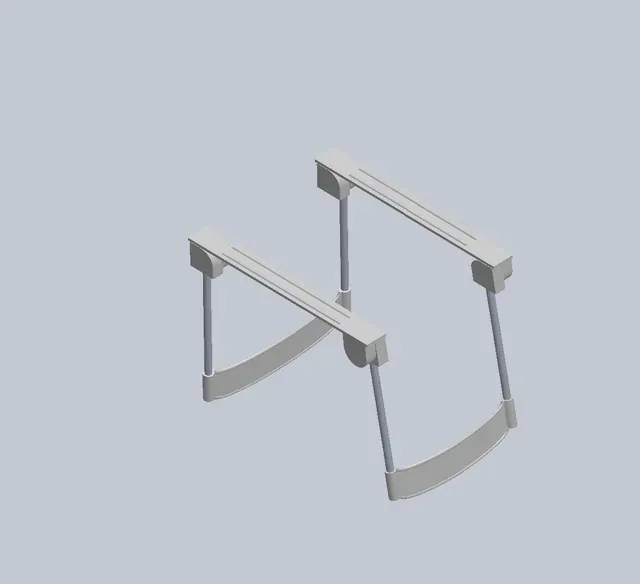
Fully printed platform for launching drones
Printables
This collection gathers 3D printing models built around drones: take-off and landing surfaces, payload mounts, folding plates and airframe parts. Most files are plain STL geometry, so the printed result depends on the scale and settings you choose. It is a starting point for anyone who wants a pad, a mount or a test frame rather than a full aircraft. Polyzon does not confirm whether models are free, their price, license, official status, affiliation, safety or fitness. Check the current terms at the source.
O texto desta coleção está em inglês; a busca funciona em qualquer idioma.
 Uma coleção do Polyzon · 47 modelos de 8 sites
O Polyzon monta esta coleção a partir dos resultados de busca dos sites conectados. Repetições e modelos sem prévia são removidos, correspondências fracas vão para o final e o restante segue a ordem da busca. Os modelos pertencem aos seus autores — confira os termos na página de cada modelo.
Regras de seleção: equipe editorial do Polyzon · Texto atualizado em 14/10/2026


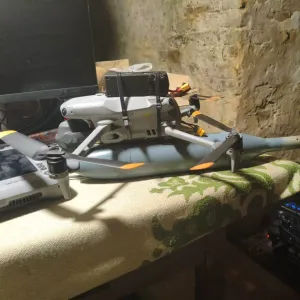


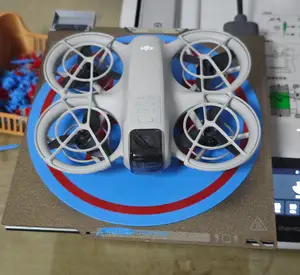
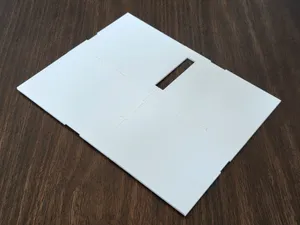
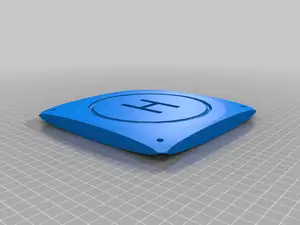

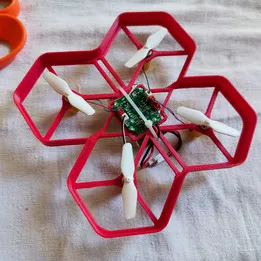
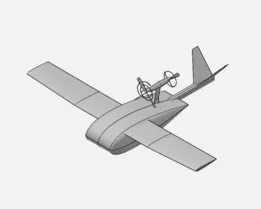
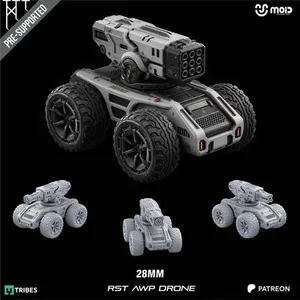
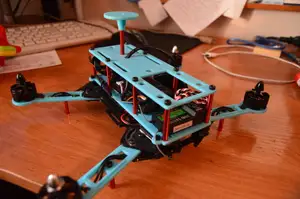


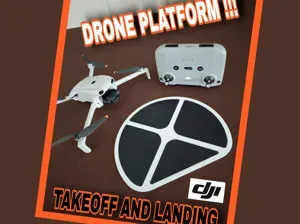
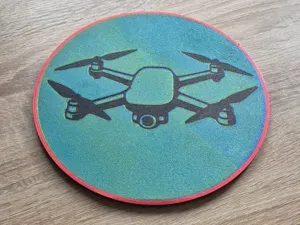

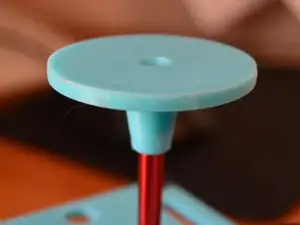
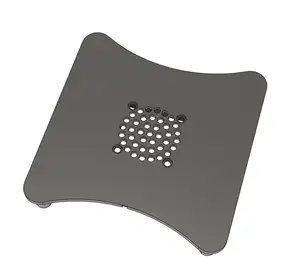



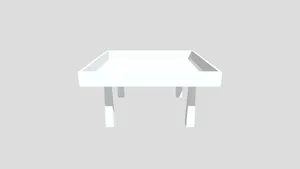
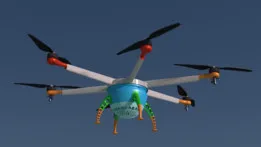

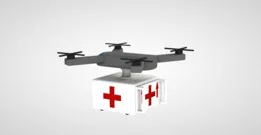
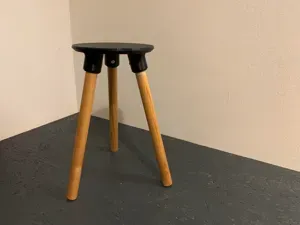
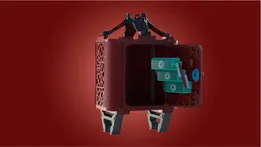
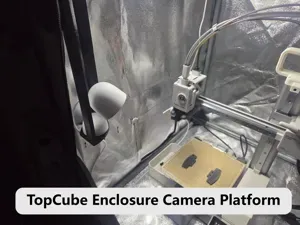


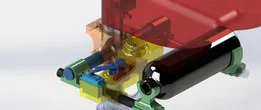
The models fall into a few groups. Launch and landing platforms are flat surfaces, sometimes with anchors, raised edges or markings that help position a drone. Payload and accessory platforms are shaped around a particular airframe and hold a camera, a battery or a sensor. Folding plates and compact pads are meant to be carried, so they are printed as several pieces that join together. Airframe and test platforms sit closer to a frame: arms, plates and mounting points rather than a finished flying machine.
Before printing, read the author's page for the dimensions and the number of parts. A landing pad only works if its surface is wide enough for the propellers and the legs, so compare the stated size with your own drone. Check whether the model needs supports, how the pieces connect, and which material and layer height the author lists. For outdoor use, look at photos of real prints to judge how thin walls and joints behave, and consider a filament that tolerates moisture and sun.
Search results improve when you try different wording. "Launch platform", "landing pad", "helipad" and "take-off plate" describe similar objects, while "payload mount", "camera bracket" and "GPS mount" cover the attachment side. If you are after a frame, try "airframe", "test platform" or "quadcopter frame". Related topics such as FPV accessories, drone cases, antenna holders and tabletop terrain often contain parts that fit the same builds.


O catálogo completo de temas — de casa e utilidades a CNC, com busca em todos os sites conectados.